How Weather Affects Gorilla Trekking Difficulty
Weather plays a direct role in how challenging a gorilla trek feels. While gorilla trekking remains possible throughout the year, rain, humidity, and trail conditions determine how much effort your body must give on trekking day. Understanding this connection helps you choose the right season based on fitness, comfort, and expectations.
This guide explains how weather influences trekking difficulty across key gorilla destinations, including Bwindi Impenetrable National Park, Mgahinga Gorilla National Park, Volcanoes National Park, and Virunga National Park.
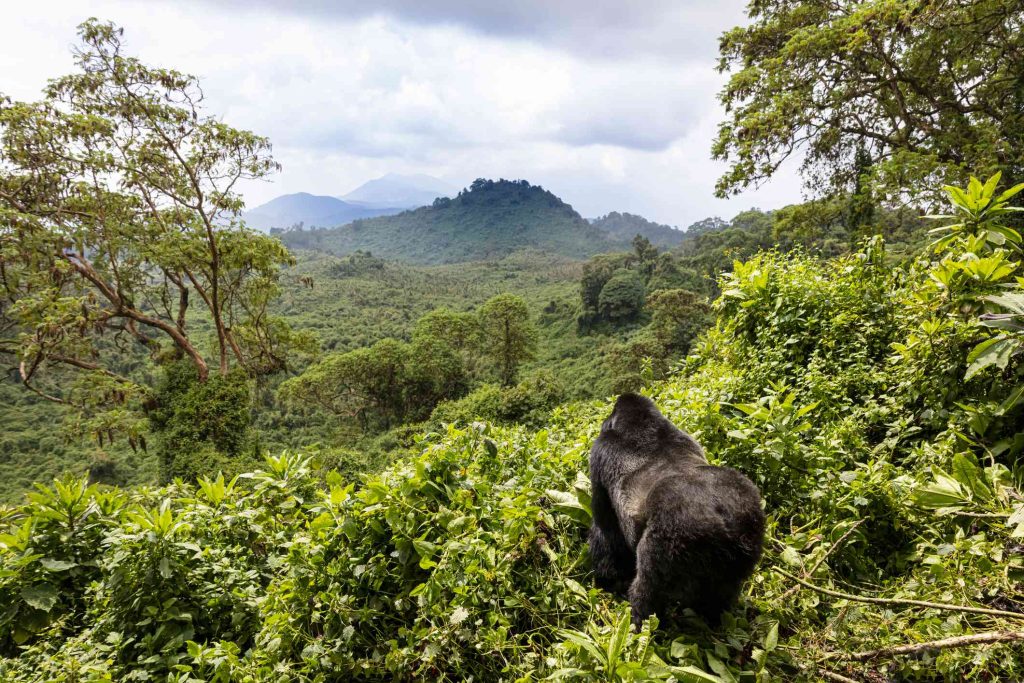
The Relationship Between Weather and Trekking Effort
Gorilla trekking difficulty does not depend on distance alone. Terrain, elevation, moisture, and vegetation density matter just as much. Weather affects all these factors at once. Dry conditions firm up trails and improve footing, while wet conditions increase resistance, slow movement, and demand more balance.
Regardless of season, rangers adjust trekking routes daily to match current conditions and gorilla locations.
Dry Season: Easier Footing, Lower Physical Strain
Trail Stability and Balance
During dry months, trails remain firm and predictable. Soil hardens, roots offer better grip, and steep slopes feel more manageable. Trekkers move with confidence, reducing strain on knees and ankles.
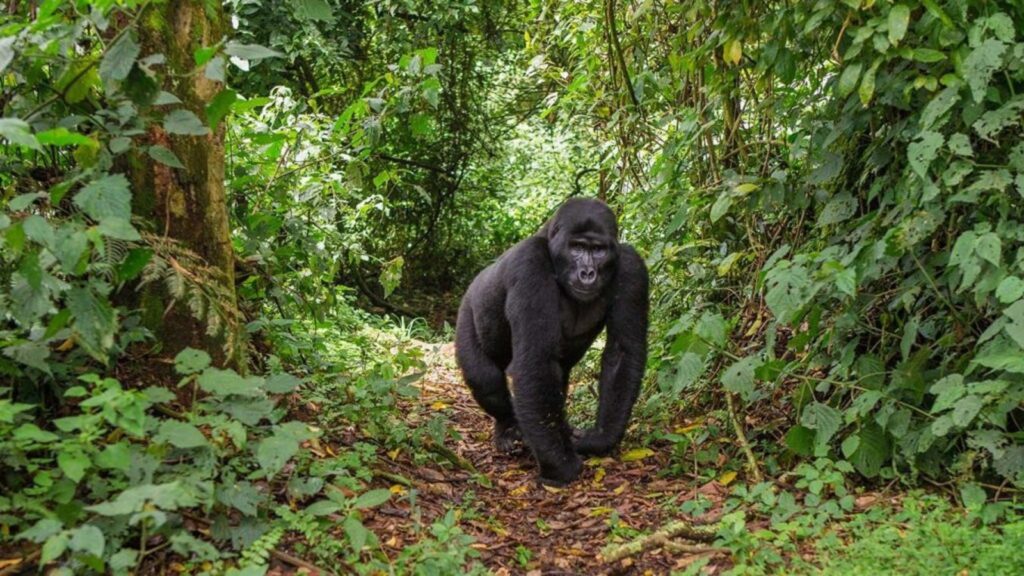
In Bwindi’s thick rainforest, dry conditions make narrow trails easier to navigate. In Volcanoes and Mgahinga, volcanic soil firms up, improving traction on open slopes.
Endurance and Energy Levels
Dry weather reduces overall fatigue. Lower humidity allows the body to cool more efficiently, making uphill sections feel less demanding. Treks often finish faster due to steady pacing and fewer stops.
This season suits first-time trekkers, older travelers, and those with moderate fitness levels.
Rainy Season: Increased Difficulty and Physical Demand
Mud, Slippery Slopes, and Slow Progress
Rain changes trail conditions quickly. Mud builds up on steep sections, and footing becomes unpredictable. Trekkers rely more on walking sticks and guides for stability.
In Bwindi, thick clay soil becomes slick, increasing effort with every step. In Volcanoes National Park, volcanic terrain turns slippery rather than deeply muddy, demanding careful foot placement.
Muscular Effort and Stamina
Wet conditions force muscles to work harder. Balancing on slippery ground engages core and leg muscles continuously. Treks take longer, which increases overall exertion even if distances remain short.
Rain also raises humidity, making breathing feel heavier during climbs.
Altitude and Weather Combined
All gorilla parks sit at high altitude. Cooler temperatures help offset physical exertion, but rain changes how the body responds. Wet clothing can lower body temperature during rest periods, while uphill climbs still cause sweating.
Layering becomes essential to regulate comfort and prevent energy loss during rainy treks.
Vegetation Growth and Route Difficulty
Rain fuels vegetation growth. Thick undergrowth narrows trails and requires guides to cut paths more frequently. This slows movement and adds resistance, especially in Bwindi’s dense forest.
Dry months reduce vegetation density slightly, opening clearer walking lines and easier access to gorilla groups.
Gorilla Location and Trek Length
Weather also influences where gorillas feed and rest. During rainy periods, gorillas often remain on lower slopes where food grows abundantly. This behavior can shorten trek distances, partially balancing increased trail difficulty.
In dry months, gorillas may move higher or deeper into the forest, sometimes extending trek duration despite easier footing.
Mental Challenge and Trekking Psychology
Weather affects mindset as much as muscles. Rain demands patience and focus. Trekkers must accept slower movement and wet conditions. Those who prepare mentally often find rainy treks deeply rewarding and immersive.
Dry weather boosts confidence and comfort, reducing stress and allowing trekkers to focus more on the experience itself.
How Guides and Rangers Manage Weather Challenges
Rangers assess trail safety every morning. They adjust routes, control pace, and provide walking sticks to support trekkers. Porters assist on steep or muddy sections, reducing risk and fatigue.
These systems ensure that trekking remains safe in all seasons, even when conditions feel demanding.
Choosing the Right Season for Your Fitness Level
Travelers with average fitness usually prefer dry months for easier movement and comfort. Active and adventurous travelers often enjoy rainy-season treks for the challenge and solitude.
Neither option changes the quality of the gorilla encounter. Weather only changes how hard you work to reach it.
Plan Your Safari With Us
Weather-aware planning makes gorilla trekking more enjoyable. We help you choose the best season based on fitness, experience, and comfort preferences. Our team secures permits, recommends suitable lodges, and prepares you fully for trail conditions.
Enquire now and let us plan a gorilla trekking safari that matches your strength, pace, and ideal travel season.