Altitude and Terrain in Bwindi Impenetrable Forest
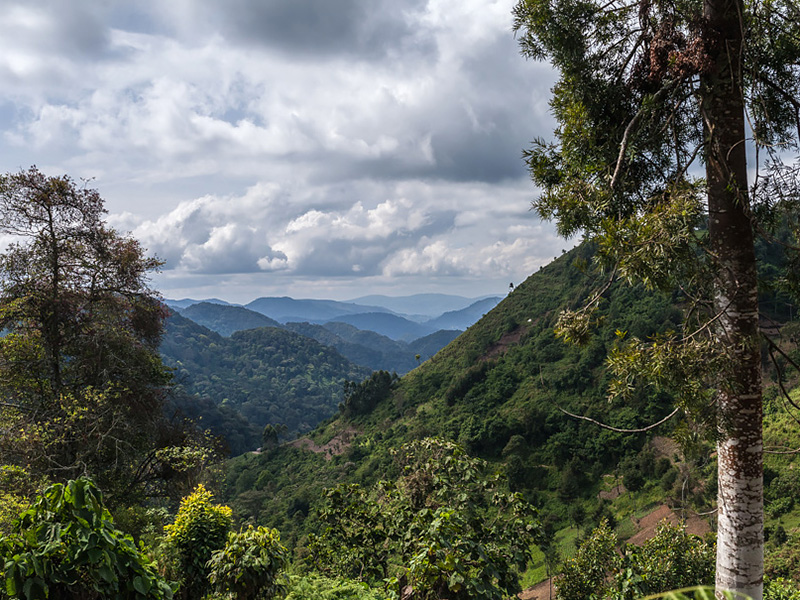
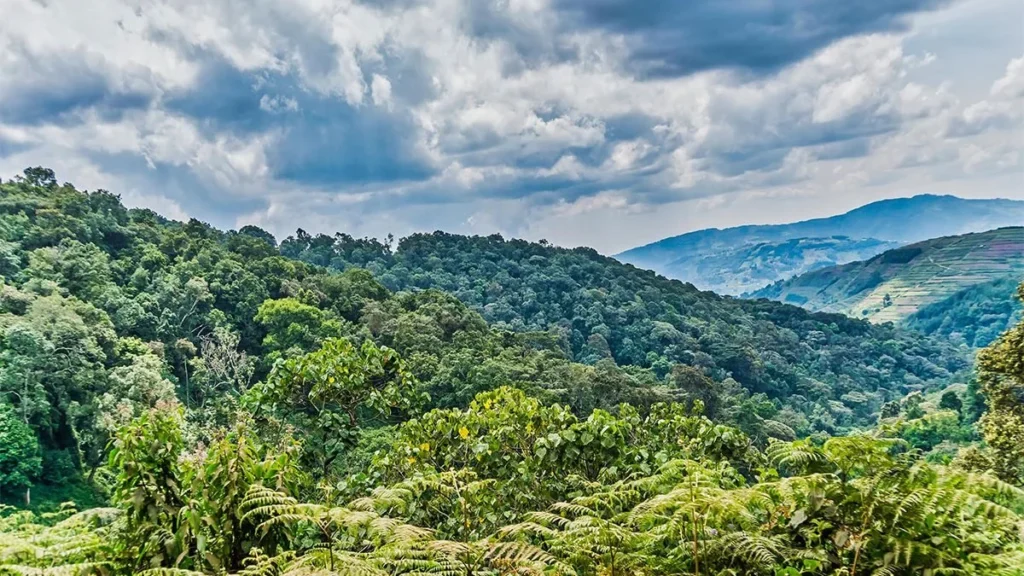
Bwindi Impenetrable National Park covers one of the most dramatic landscapes in East Africa. The terrain rises sharply through forested ridges, plunges into deep valleys, and stretches across ancient volcanic slopes. Its altitude ranges between 1,160 and 2,607 meters above sea level, which gives the forest its cool climate, thick mist, and lush undergrowth.
The combination of altitude and rugged terrain creates the unforgettable trekking experience that defines Bwindi. Trekkers move through narrow pathways, moss-covered trees, and steep forest walls that carry both beauty and challenge.
Understanding the Altitude of Bwindi
Bwindi lies at a high elevation because it sits at the edge of the Albertine Rift, one of Africa’s richest ecological zones. The lower valleys sit at about 1,160 meters, while the highest ridges reach more than 2,600 meters.
This altitude creates a cool, fresh climate that supports mountain gorillas, rare bird species, and thick rainforest vegetation. The mornings often start with mist hanging over the canopy, and the cool air creates comfortable trekking conditions even when the slopes become steep.
How Altitude Shapes the Trekking Experience
The high elevation gives Bwindi its crisp temperature, which helps trekkers manage long hikes with ease. The forest stays cool throughout the day, and the shade from tall trees softens the heat.
However, the altitude can also increase physical effort. The air thins slightly at higher points, and trekkers feel the difference when climbing steep ridges. A steady pace helps maintain energy, and the cool air keeps the trek enjoyable.
The Terrain of Bwindi: What Makes It Unique
Bwindi’s terrain feels wild, layered, and continually changing. The forest grows on ancient mountains that rise and fall sharply. The trekking paths weave through deep gullies, narrow ridges, flowing streams, and vine-covered slopes.
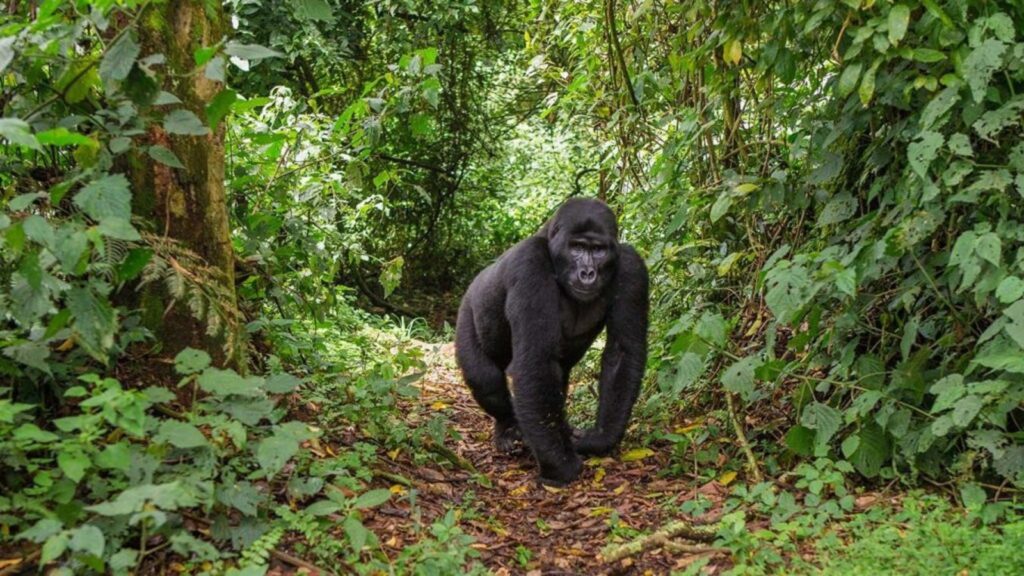
The ground feels spongy in many areas because of thick leaf litter. Roots, rocks, and vegetation create natural steps that require careful footing. The forest remains true to its name—impenetrable—because dense branches surround you at every turn.
Terrain Differences Across the Four Sectors. Each Bwindi sector holds its own terrain identity.
Buhoma
Buhoma sits at a lower altitude and offers softer terrain. The slopes rise gently, and the forest opens into wide, light-filled spaces. This sector suits trekkers who prefer a manageable hike.
Ruhija
Ruhija rises higher than other areas. The ridgelines offer wide views, cooler temperatures, and alternating slopes that feel moderate and scenic.
Rushaga
Rushaga holds rugged terrain with sharp ridges and deep valleys. The trails rise and fall quickly. The atmosphere feels adventurous because the forest becomes dramatic and dense.
Nkuringo
Nkuringo sits at the highest altitude and carries the steepest terrain. Trekkers descend deep valleys at the start and climb sharply toward the gorillas. The landscape rewards the effort with breathtaking views of the Virunga Volcanoes.
How Terrain Affects Trekking Difficulty
Trekking difficulty depends on slope angle, vegetation thickness, and trail length. Steep ascents demand leg strength, while dense vegetation requires careful movement.
The rangers lead you through clear paths, but the nature of Bwindi’s landscape means you move through wild, uneven ground. Trekkers complete the hike comfortably when they maintain a slow rhythm, stay hydrated, and allow time for short rests.
Vegetation Layers Along the Terrain
Bwindi’s altitude shapes the forest layers. Lower valleys hold thick undergrowth and leafy vegetation. Mid-slopes reveal tall hardwood trees with moss and epiphytes. Higher ridges carry cooler bamboo zones and open patches that offer beautiful views.
These layers create constant scenery changes, which makes the trek visually rich and exciting.
Why This Terrain Supports Mountain Gorillas
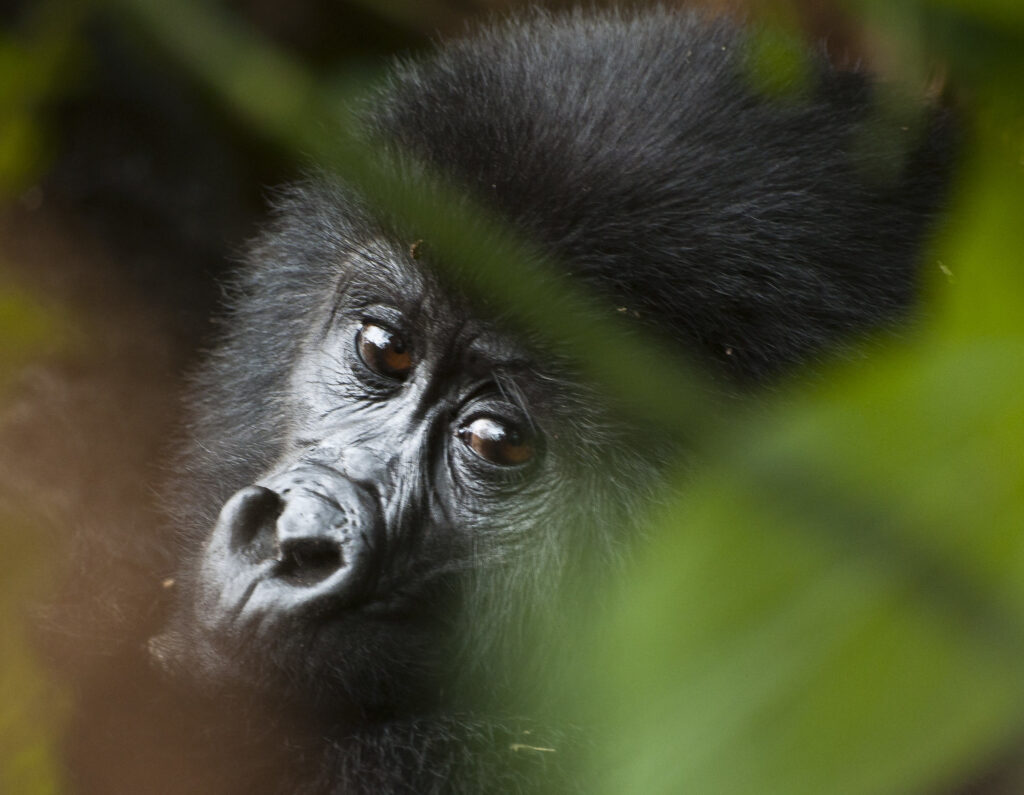
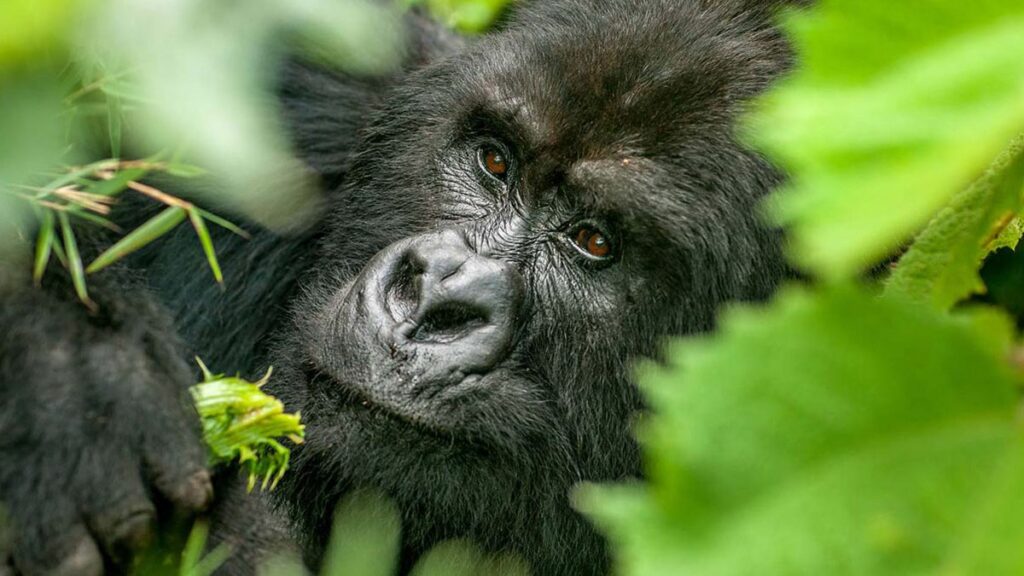
The steep slopes and dense vegetation create the perfect environment for mountain gorillas. The forest holds abundant food—bamboo shoots, leaves, vines, and fruits. The rugged terrain keeps the gorillas protected because few predators or human disturbances reach these deep forest pockets.
Final Thoughts
Bwindi’s altitude and terrain shape one of the most thrilling trekking environments in Africa. The steep ridges, deep valleys, and ancient forest layers create a challenging but rewarding landscape. Every climb, every descent, and every turn reveals new beauty.
Trekkers leave Bwindi with memories shaped not only by the gorillas but also by the powerful landscapes that surround them.
Plan Your Gorilla Trek
You can secure your gorilla permit, sector choice, and lodge booking through a trusted operator.
For smooth planning and guaranteed dates, book with us at https://www.gorilla-permits.com/