What Makes Bwindi a UNESCO World Heritage Site
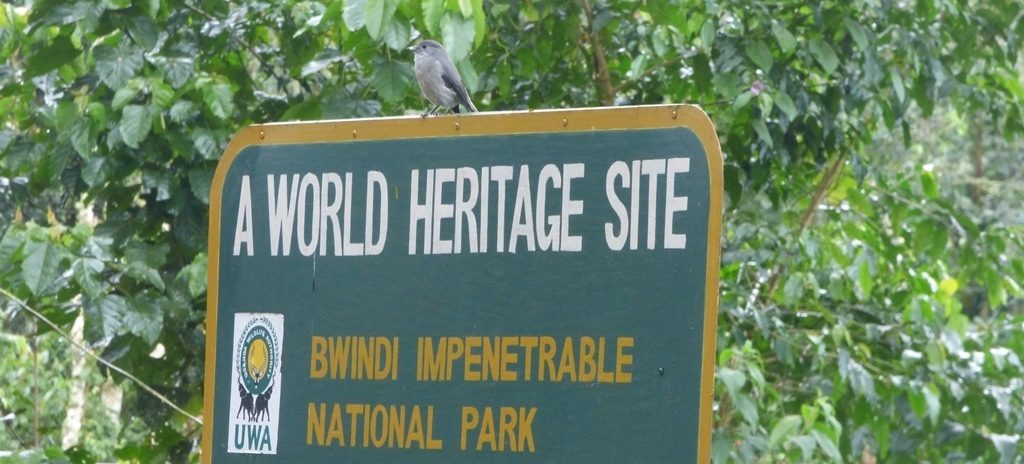
Bwindi UNESCO site. Bwindi Impenetrable National Park earned its UNESCO World Heritage status because it protects one of the most biologically rich and ecologically important forests in Africa. The park shelters ancient rainforest, endangered mountain gorillas, rare plant species and a landscape that dates back more than 25,000 years.
The forest stands untouched by time. Its age, beauty and ecological value make it globally irreplaceable. UNESCO recognises Bwindi as a living museum of evolution, biodiversity and cultural heritage.
Exceptional Biodiversity
Bwindi protects one of the highest concentrations of species anywhere in Africa. The forest holds more than 200 tree species, 1,000 flowering plants, 350 bird species and over 120 mammals.
The diversity allows multiple ecosystems to coexist in one compact region. The forest shelters rare creatures such as the African golden cat, L’Hoest’s monkey, black-fronted duiker and the globally endangered mountain gorilla.
Bwindi’s variety of plants and animals gives it a level of ecological value found in only a few places on the continent.
Home to Half of the World’s Mountain Gorillas
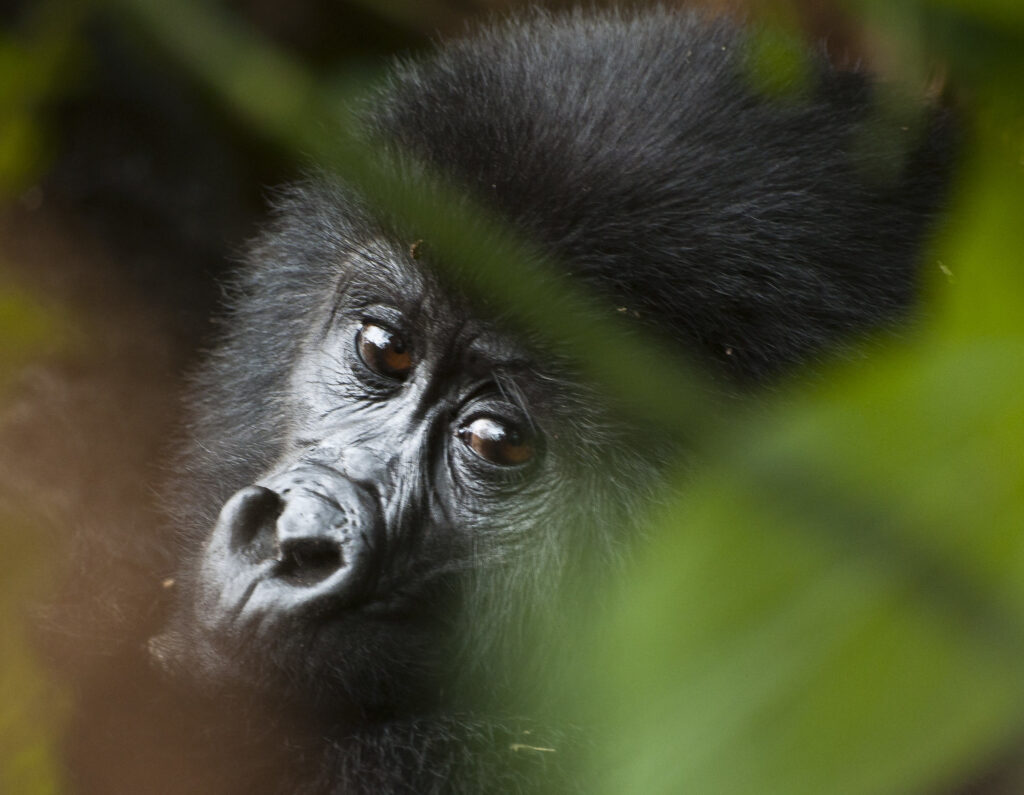
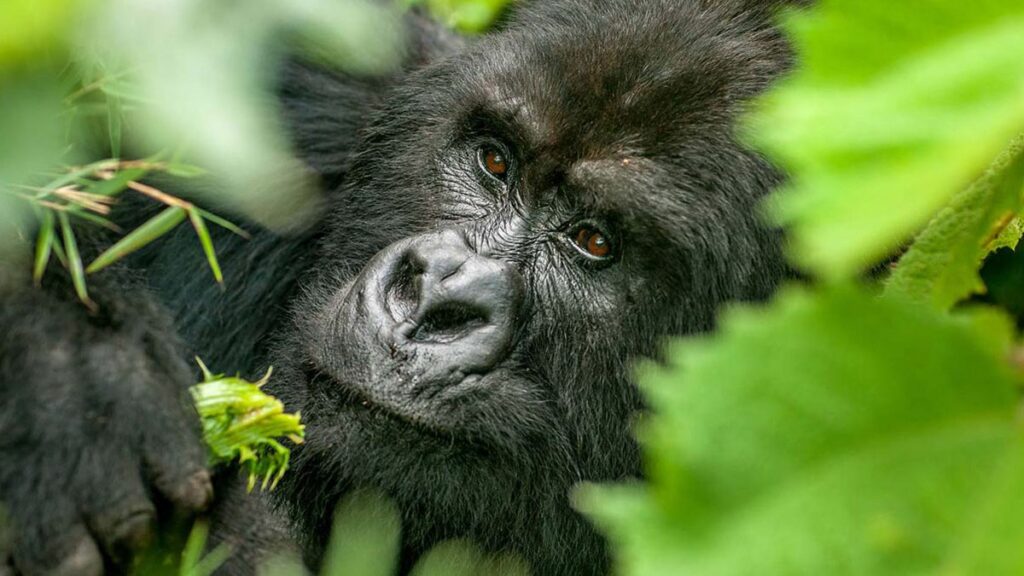
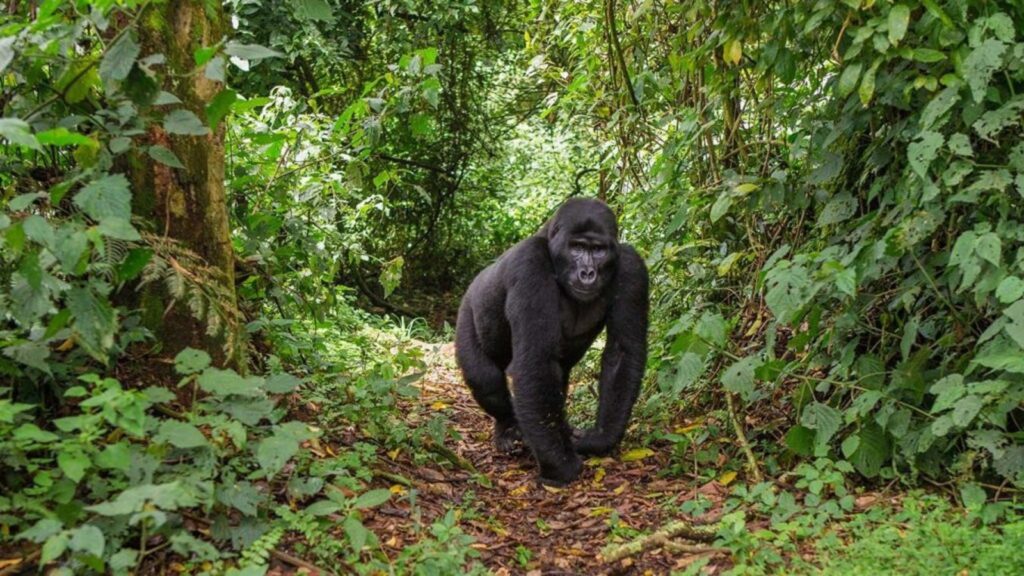
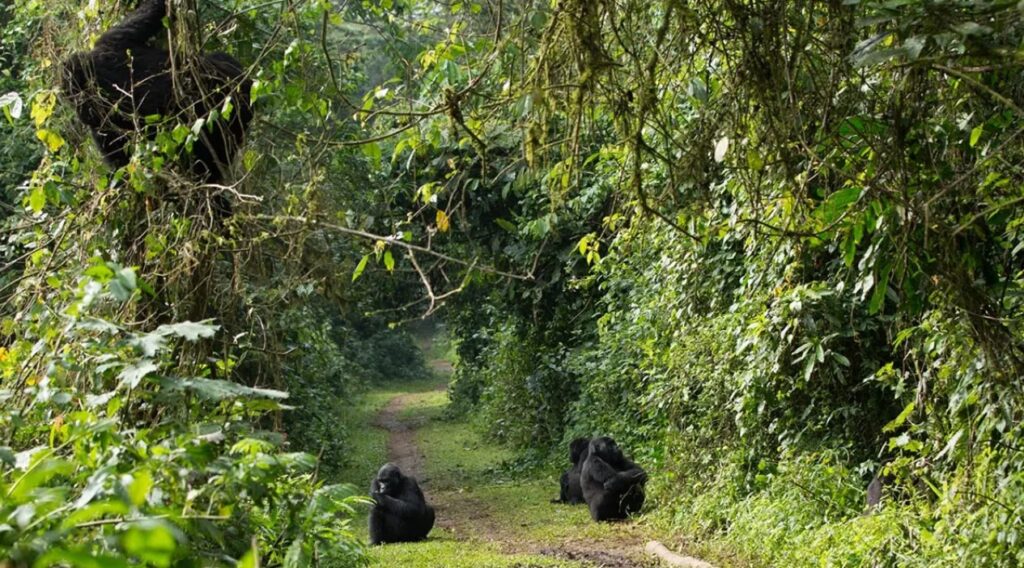
Bwindi protects nearly half of the remaining mountain gorillas on Earth. These great apes exist only in two regions—the Virunga Massif and Bwindi’s rainforest.
The forest gives the gorillas food, shelter and safe breeding grounds, and UNESCO recognises Bwindi as a critical sanctuary for their survival. The presence of these gorillas elevates the park’s global importance.
Their protection links conservation, science, tourism and community support.
Ancient Rainforest With Geological Significance
Bwindi’s forest survived the last Ice Age, making it one of the few African forests that remained standing when most others disappeared.
The landscape formed millions of years ago and holds ancient vegetation that reveals the history of Africa’s climate and evolution. Scientists use the forest to study ecological adaptation and species survival across centuries.
This ancient character gives Bwindi global scientific value.
Unique Ecosystems Shaped by Altitude
Bwindi’s altitude ranges from 1,160 to 2,607 meters. This steep elevation creates different ecological layers—from lowland forest to montane vegetation.
Each layer supports unique species. Birds, primates, butterflies and plants adjust to specific altitudes. This diversity allows researchers to study how climate and environment shape species survival.
UNESCO values Bwindi because these ecological layers appear clearly and naturally in one continuous forest.
A Living Laboratory for Scientific Research
Scientists study Bwindi to understand primate behaviour, forest ecology and climate patterns.
Gorilla habituation studies began here decades ago, and research from Bwindi guides global conservation work. The park helps scientists observe gorilla family structure, maternal behaviour and long-term population stability.
The forest also offers opportunities to study pollination, seed dispersal, and plant adaptation in an untouched environment.
Strong Conservation and Community Protection
Bwindi connects conservation with local community empowerment. Revenue from gorilla permits funds schools, healthcare centres, safe water programs and forest-edge community projects.
The collaboration between park authorities, rangers, local groups and international partners creates one of Africa’s strongest conservation models.
UNESCO celebrates Bwindi because it proves that wildlife protection and community development can succeed together.
Cultural and Historical Value
The forest holds strong cultural history, especially for the Batwa people who once lived in its dense vegetation. Their traditional knowledge, hunting skills, herbal practices and rituals form part of Bwindi’s cultural identity.
UNESCO recognises the connection between the forest and its people, ensuring that cultural heritage remains protected alongside wildlife.
Final Thoughts
Bwindi Impenetrable National Park achieved UNESCO World Heritage status because it protects rare wildlife, ancient rainforest and one of the most important ecosystems on the continent. Its steep terrain, rich biodiversity and powerful conservation story make it a global treasure.
Travellers who trek through Bwindi step into a forest that belongs not only to Uganda but to the world. Every visit supports its continued protection.
Plan Your Visit
You can secure your gorilla trekking permit and arrange your full safari through a trusted operator.
For smooth planning and guaranteed dates, book with us at https://www.gorilla-permits.com