How Rwanda Balances Gorilla Protection and Human Settlement
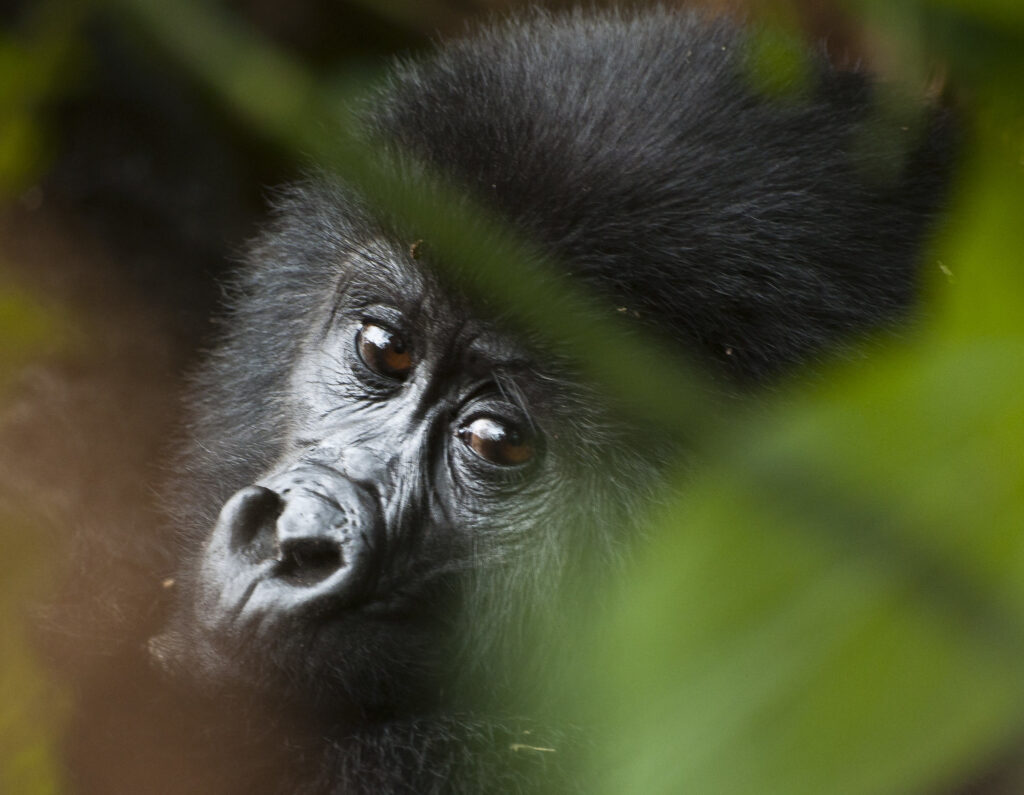
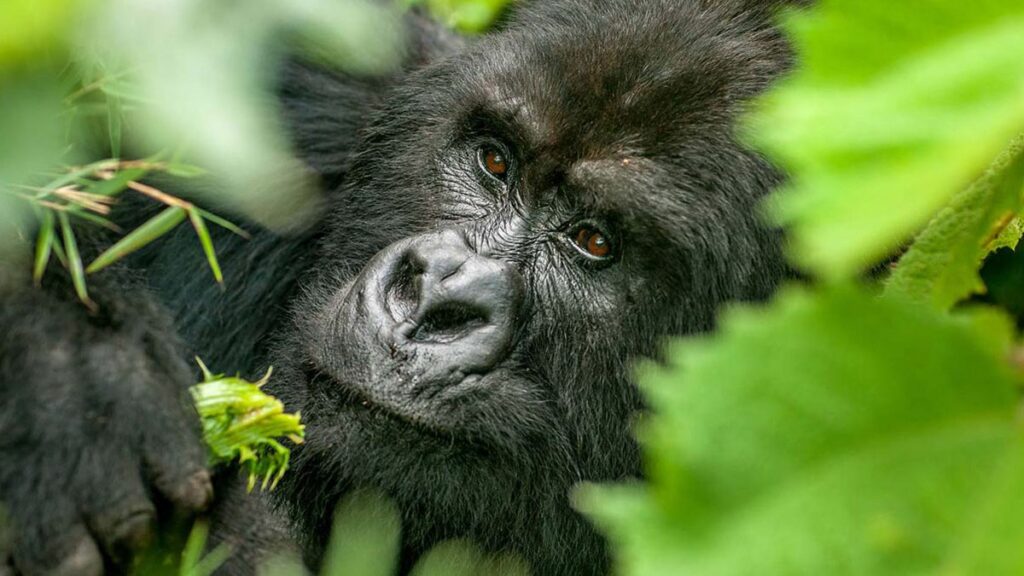
Rwanda faces a unique challenge as a country with one of the highest population densities in Africa while also protecting one of the world’s rarest primates. The borders of Volcanoes National Park sit close to farmland, villages, and busy rural communities. Despite this closeness, Rwanda built one of the most successful conservation systems on the continent. The country developed policies that protect gorillas, support local families, and maintain peace between wildlife and people. This balance stands as a global model of coexistence and long-term sustainability.
Careful Land Management Around Protected Areas
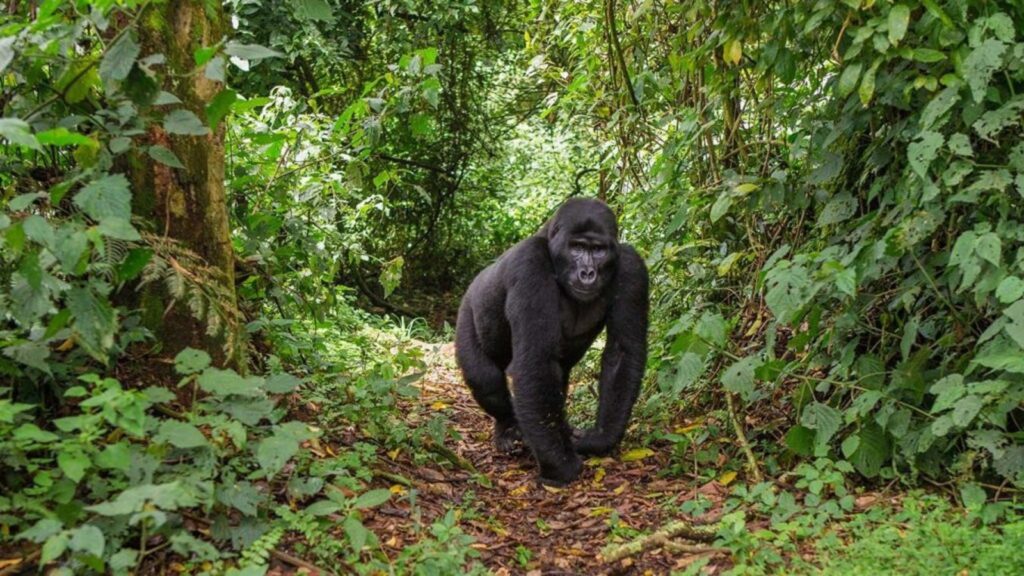
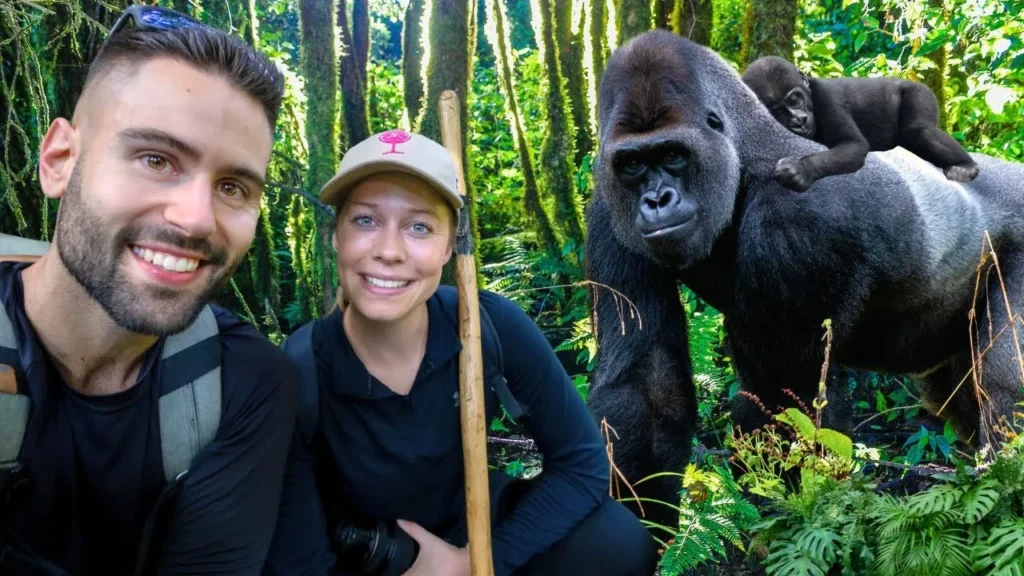
Rwanda uses strict land management strategies to maintain harmony between human settlement and gorilla habitat. Communities farm outside the park boundary, while the forest remains fully protected to safeguard gorilla families. Clear zoning prevents encroachment and ensures that agricultural activity does not disturb the forest. Rangers monitor the park edges every day, while local authorities support families who farm near the boundary. This cooperation reduces pressure on the gorilla habitat and gives both people and wildlife secure spaces.
Community Benefits That Build Strong Support
People living near Volcanoes National Park receive direct benefits from gorilla tourism. Schools, health centers, water projects, and roads rise from shared tourism revenue. Families see real progress in their villages, and this progress builds strong support for conservation. When a community gains better infrastructure and improved services, it becomes more invested in protecting the gorillas. Revenue sharing transforms conservation into a partnership. Villagers no longer view the park as a barrier—they see it as a source of opportunity and shared growth.
Reducing Conflict Through Reforestation and Buffer Zones
Rwanda strengthens the boundary between farmland and forest through reforestation. Newly planted trees reduce accidental contact between gorilla families and local farms. These buffer zones create a natural barrier that prevents crop raiding and gives gorillas safe paths to move across the landscape. As the forest expands, the number of conflict incidents decreases. Both people and wildlife gain more stability, and communities feel less vulnerable to the challenges that come with living close to a national park.
Empowering Residents Through Conservation Jobs
Employment plays a major role in balancing settlement and protection. Many residents near the park work as rangers, porters, guides, lodge staff, and craftspeople. These jobs offer income and reduce dependence on forest resources. Young people join conservation teams, gain new skills, and support their families without cutting trees or farming illegally inside the park. When employment grows, communities develop a positive connection to wildlife. Gorillas become an economic asset that families are eager to protect.
Education and Awareness That Shape Community Mindset
Rwanda invests heavily in conservation education. Families learn why gorillas matter, how forests protect their own livelihoods, and what benefits tourism brings into the community. Schools teach children the value of wildlife from an early age. Community meetings, cultural events, and outreach programs keep conservation knowledge alive. This awareness shapes a mindset where people understand the importance of protecting the park. Education builds a future where conservation does not conflict with settlement but grows alongside it.
Strong Governance and Clear Conservation Policies
Rwanda enforces strong conservation laws that protect gorilla families from disturbance. Trekking rules, land-use regulations, and anti-poaching patrols maintain order around the park. These policies create predictability for both communities and conservation teams. Families know where farming ends and where forest protection begins. Rangers know which areas require close monitoring. This clarity reduces disputes and strengthens long-term cooperation between villagers and park authorities.
A Sustainable Vision Where People and Gorillas Thrive
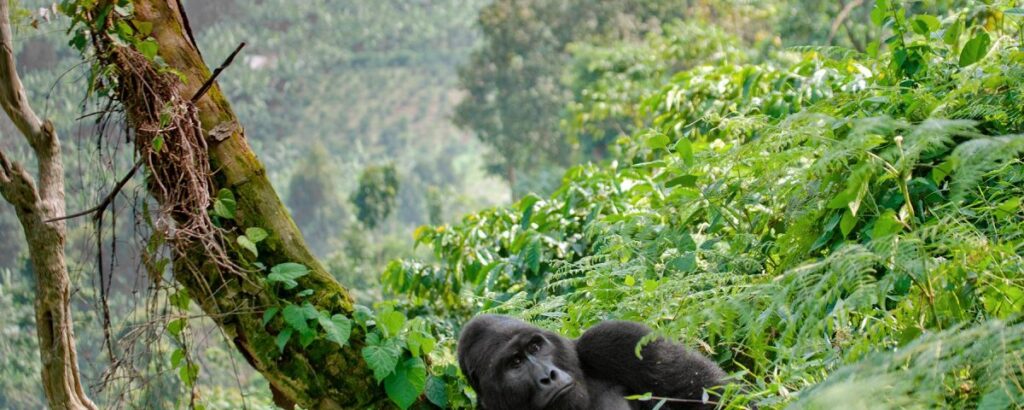
Rwanda continues to explore new ways to expand park boundaries, restore degraded forest, and support families living near the gorillas. The country believes that humans and wildlife can thrive together when development stays responsible and inclusive. Communities grow stronger through tourism benefits, and gorillas enjoy a safe and stable environment. This vision reflects Rwanda’s commitment to both human wellbeing and the survival of mountain gorillas.
Why Rwanda’s Balance Remains a Global Example
Few countries manage such close proximity between wildlife and dense human settlement. Rwanda succeeds because its conservation model respects people as much as it protects gorillas. The system builds trust, reduces conflict, and strengthens communities while keeping the forest healthy. Visitors who trek through Volcanoes National Park witness this balance firsthand and become part of a larger story where coexistence becomes a national strength.
Plan a Trek That Supports Both People and Wildlife
Your visit helps strengthen the balance between human settlement and gorilla protection. When you trek responsibly, you support communities, protect gorilla habitat, and contribute to Rwanda’s long-term success. Our team helps you plan a meaningful gorilla trekking experience rooted in conservation and community partnership.
Inquire and book your Rwanda gorilla trekking adventure at https://www.gorilla-permits.com/