What to Eat Before and After Your Trek
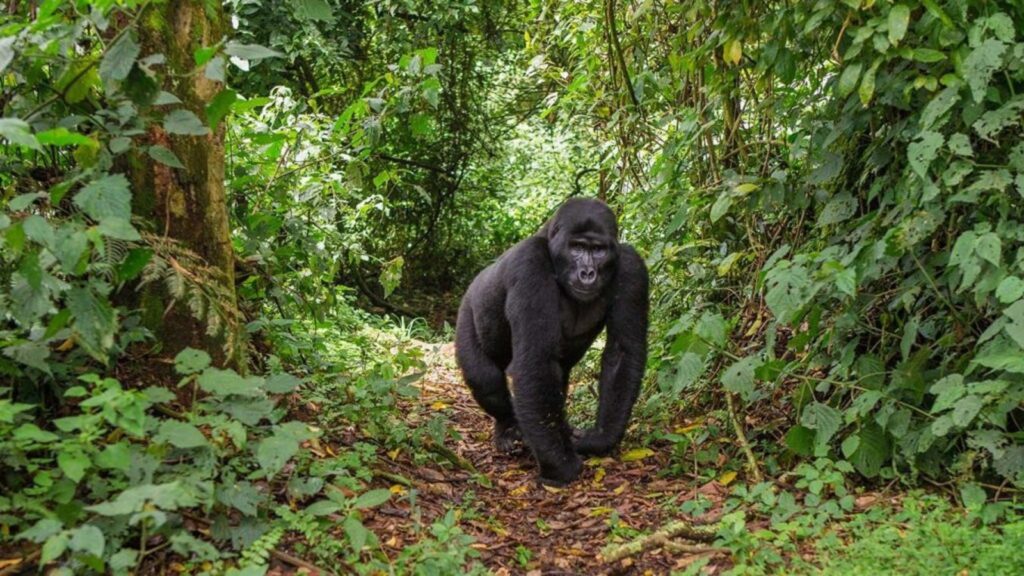
Food plays a major role in how your body performs during a gorilla trek. The steep slopes, thick vegetation, and high altitude of Volcanoes National Park demand steady energy and a comfortable stomach. The meals you choose before the trek give you strength for long climbs, while your post-trek meals help your body recover. When you fuel yourself correctly, you move with confidence and enjoy every moment with the gorillas.
The Best Foods to Eat Before Your Trek
Your pre-trek meal should feel light, balanced, and energizing. Heavy dishes slow your movement and make you feel uncomfortable during uphill sections. A meal with moderate carbohydrates offers steady energy without overwhelming your stomach. Many travelers choose foods like fruits, porridge, eggs, or toast because these options keep energy levels stable. Soft foods also digest easily, which helps you avoid discomfort during the first steep stretch of the trek.
Hydration matters as much as food. Drinking enough water in the morning prepares your body for the humid forest environment. A hydrated body handles altitude better, moves more efficiently, and stays focused. Warm tea or herbal drinks also help your stomach settle before you begin the trek.
Snacks That Support You During the Trek
Because the trek can last several hours, your body benefits from small energy boosts along the way. Light snacks such as bananas, nuts, or granola bars give you quick strength without feeling heavy. These foods help you stay energized as you climb through bamboo zones and move into dense forest areas. Small bites also keep your blood sugar steady so you handle steep climbs with comfort and confidence.
What to Eat After the Trek
After your gorilla encounter, your body needs nourishment to recover from the climb. A good meal restores your energy and replaces the nutrients lost during several hours of movement. Warm dishes such as rice, vegetables, or lean proteins help your muscles recover. Many lodges prepare fresh soups that soothe your body after the trek and hydrate you at the same time.
Your body also needs water after hours of sweating in the forest. Drinking enough fluids helps you recover faster and keeps altitude fatigue away. Fresh juices, water, and warm tea support rehydration and comfort your system after physical exertion.
Foods to Avoid Before Your Trek
Some foods weigh heavily on your stomach during altitude activity. Greasy meals, large portions, or strong spices create discomfort once you start climbing. Your trek becomes more demanding when your stomach feels uneasy. Light and clean meals give you better balance and smoother movement. Staying aware of what your body tolerates helps you prepare wisely for the experience.
Why Your Food Choices Matter
Food influences every part of your trekking journey. The right meals give you lasting strength, better focus, and a calm stomach on steep trails. Poor meal choices lead to fatigue, discomfort, and reduced enjoyment. When you eat well before and after your trek, you support your body, your pace, and your overall experience. Thoughtful nutrition becomes an essential part of responsible and enjoyable gorilla trekking.
Plan Your Gorilla Trek With Experts Who Care About Your Comfort
A well-nourished traveler enjoys the trek more deeply and connects with the moment in a meaningful way. Our team supports your preparation from permits to lodge choices and gives you guidance that enhances every part of your adventure.
Inquire and book your Rwanda gorilla trekking experience at https://www.gorilla-permits.com.