Virtual Gorilla Trekking Home: Experience Mountain Gorillas Without Leaving Your Living Room
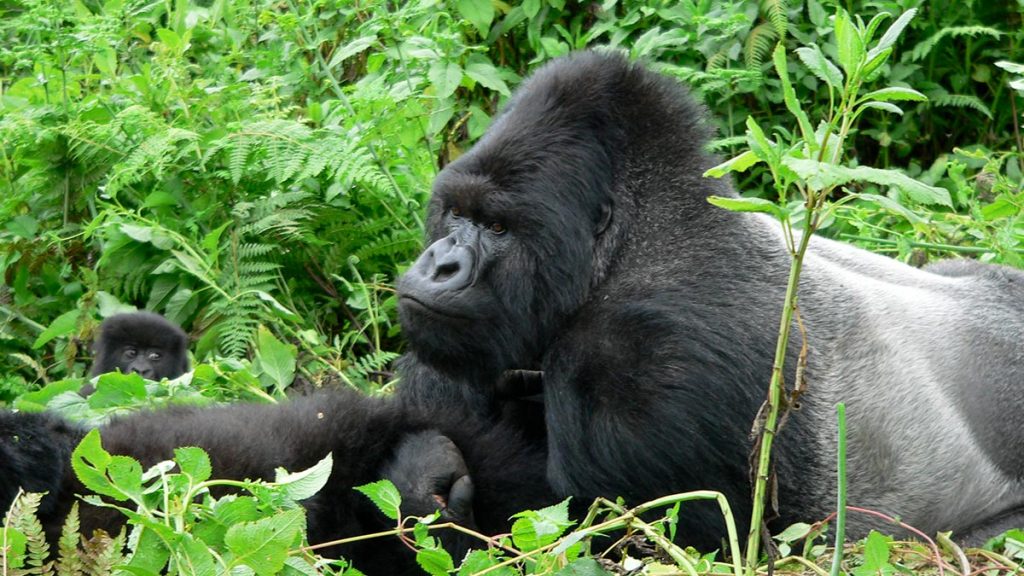
Gorilla trekking ranks among the world’s most unforgettable wildlife adventures, attracting thousands of travelers to the mountain forests of Uganda, Rwanda, and the Democratic Republic of the Congo every year. However, not everyone has the opportunity to visit East Africa because of travel costs, health considerations, limited vacation time, or geographical distance. Fortunately, advances in digital technology now make it possible to enjoy a virtual gorilla trekking home experience that brings the beauty of mountain gorilla habitats directly into your living room.
Virtual experiences combine immersive videos, virtual reality, interactive photography, and educational storytelling to introduce people to one of Africa’s greatest conservation success stories. While a virtual experience cannot replace the excitement of seeing mountain gorillas in the wild, it provides an excellent way to learn about gorilla behavior, rainforest ecosystems, and responsible tourism before planning a future safari.
Technology continues to make wildlife education more accessible than ever before.
What Is a Virtual Gorilla Trekking Experience?
A virtual gorilla trekking experience recreates many aspects of a real gorilla trek using digital technology. Depending on the platform, viewers may watch immersive videos, explore 360-degree forest environments, use virtual reality headsets, or participate in interactive conservation programs.
A virtual gorilla trekking home experience allows users to discover mountain gorilla habitats while learning about conservation, wildlife research, and the unique landscapes of East Africa. Unlike traditional documentaries, many virtual experiences encourage viewers to explore their surroundings actively, creating a stronger sense of immersion.
This interactive approach makes learning both enjoyable and memorable.
Bringing East Africa Into Your Home
Modern digital technology allows people to explore destinations that once seemed far beyond their reach.
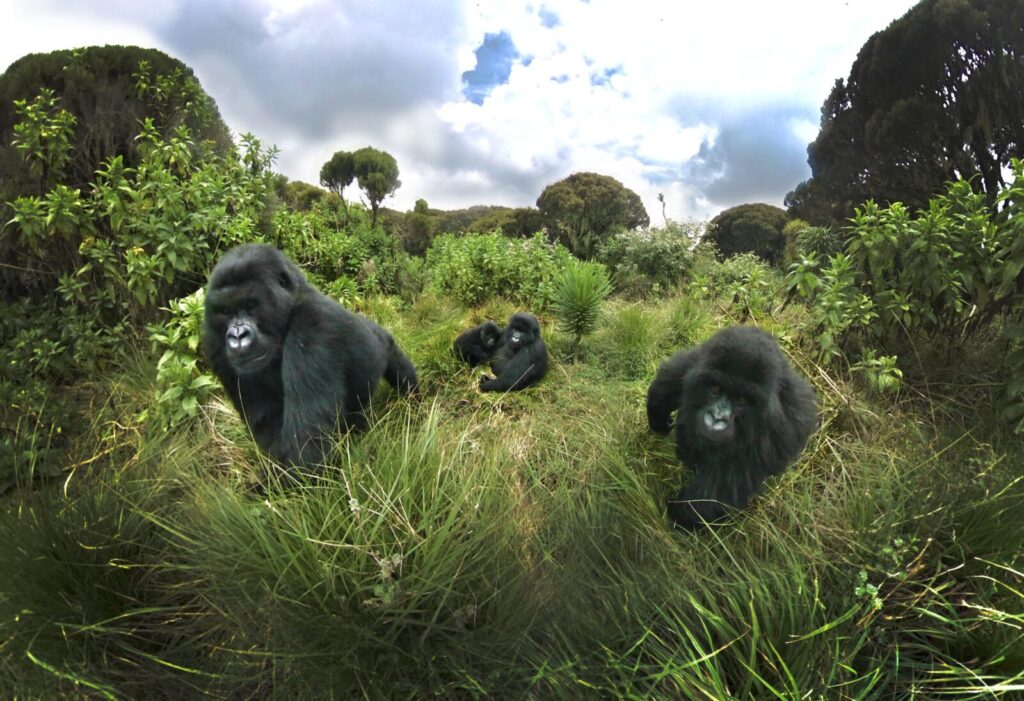
Through high-definition video, panoramic photography, and virtual reality, users can experience dense rainforests, mountain scenery, ranger-guided trekking routes, and mountain gorilla habitats without leaving home. These digital experiences introduce audiences to environments that many may never visit in person.
A virtual gorilla trekking home adventure helps people appreciate the remarkable biodiversity of East Africa while building greater awareness of mountain gorilla conservation.
Technology connects people with nature across continents.
Preparing for a Future Gorilla Safari
Many travelers spend months planning their gorilla trekking adventure.
Virtual experiences help future visitors understand what to expect before arriving at the national park. Users can learn about trekking conditions, hiking difficulty, ranger briefings, conservation rules, and gorilla viewing etiquette through realistic digital simulations.
Watching a virtual gorilla trekking home program before traveling helps visitors feel more confident while preparing physically and mentally for the real experience.
Preparation contributes to a more enjoyable safari.
Learning About Mountain Gorilla Conservation
Education remains one of the strongest foundations of wildlife conservation.
Virtual trekking experiences explain how governments, wildlife authorities, researchers, veterinarians, conservation organizations, and local communities work together to protect mountain gorillas. Users gain valuable insights into habitat conservation, anti-poaching efforts, scientific research, veterinary care, and community development.
A virtual gorilla trekking home experience encourages people to understand the challenges facing mountain gorillas while inspiring greater support for conservation initiatives.
Knowledge creates conservation ambassadors.
A Valuable Resource for Schools
Teachers increasingly use immersive digital experiences to enrich classroom learning.
Students studying biology, geography, ecology, environmental science, and wildlife conservation benefit from exploring realistic rainforest environments that bring academic lessons to life. Interactive learning captures attention while helping students better understand biodiversity and endangered species.
A virtual gorilla trekking home experience transforms traditional education into an engaging adventure that encourages curiosity and environmental responsibility.
Learning becomes more memorable through immersion.
Encouraging Responsible Tourism
Responsible tourism plays an essential role in mountain gorilla conservation.
Virtual experiences often introduce viewers to the rules that protect gorillas during trekking activities. Users learn why visitor numbers remain limited, why safe viewing distances matter, and why travelers must follow ranger instructions throughout the trek.
By explaining these principles before visitors arrive, a virtual gorilla trekking home experience promotes respectful travel while supporting long-term conservation goals.
Responsible travelers help protect wildlife.
Virtual Reality Enhances the Experience
Virtual reality technology creates one of the most immersive ways to explore mountain gorilla habitats.
Using compatible VR headsets, viewers can look around dense forests in every direction while following experienced ranger guides through realistic trekking environments. The sense of presence created by virtual reality makes the experience feel remarkably authentic.
Although no digital simulation can recreate the emotions of standing near wild mountain gorillas, a virtual gorilla trekking home experience offers one of the closest alternatives currently available.
Immersive technology continues to improve.
Inspiring Future Adventures
Many people first discover gorilla trekking through online videos or virtual experiences.
Immersive technology allows viewers to appreciate the beauty of East Africa’s rainforests while inspiring them to plan future safaris. Seeing mountain gorilla habitats often motivates travelers to learn more about conservation and eventually experience gorilla trekking firsthand.
A virtual gorilla trekking home journey frequently becomes the beginning of a lifelong interest in wildlife conservation and African travel.
Inspiration often leads to meaningful experiences.
Supporting Conservation Awareness Worldwide
Digital experiences reach audiences far beyond traditional tourism markets.
People from every continent can explore gorilla habitats regardless of age, physical ability, or financial circumstances. This global accessibility expands conservation awareness while encouraging international support for mountain gorilla protection.
Every virtual gorilla trekking home experience introduces new audiences to the importance of preserving one of the world’s rarest wildlife species.
Global awareness strengthens conservation.
Why Virtual Trekking Cannot Replace the Real Experience
Virtual experiences provide outstanding education, but they cannot duplicate the sensory and emotional impact of an actual gorilla trek.
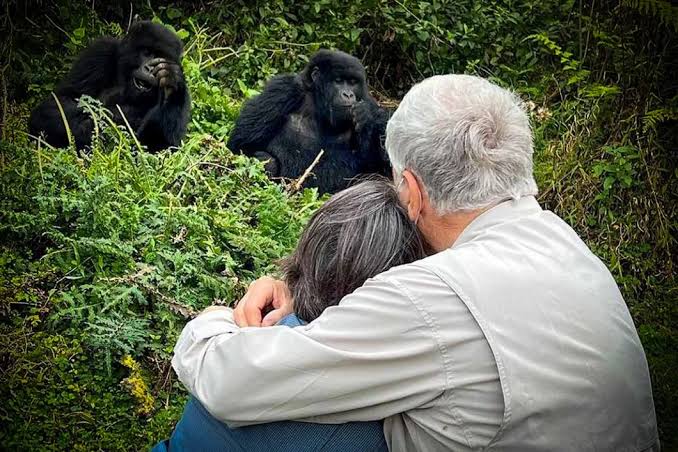
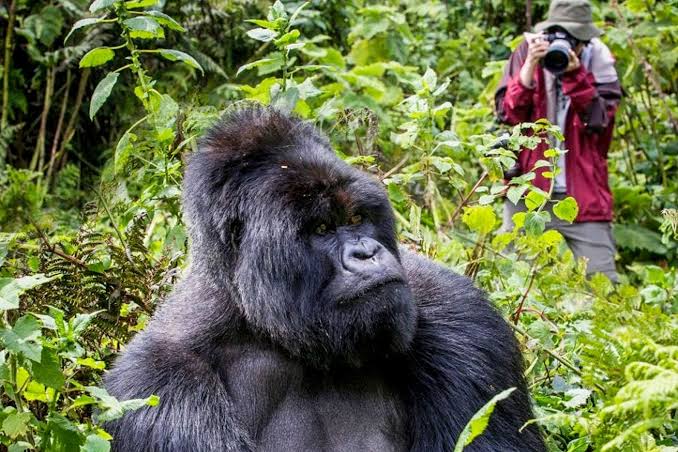
Real gorilla trekking involves hiking through ancient rainforests, hearing birds and insects, breathing fresh mountain air, navigating forest trails, and spending one unforgettable hour with a habituated gorilla family. These moments create lifelong memories that digital technology cannot fully reproduce.
Instead of replacing travel, a virtual gorilla trekking home experience complements it by preparing visitors, educating global audiences, and inspiring responsible tourism.
Both experiences have unique value.
The Future of Virtual Gorilla Trekking
Technology continues advancing rapidly, creating exciting opportunities for wildlife education.
Future virtual experiences may include artificial intelligence guides, live interactive conservation sessions, multilingual educational content, ultra-high-definition virtual environments, realistic environmental soundscapes, and expanded virtual reality features. These innovations will continue improving conservation education while introducing more people to mountain gorilla habitats.
The future of digital wildlife experiences looks increasingly immersive and accessible.
Conclusion
A virtual gorilla trekking home experience offers an inspiring way to discover mountain gorillas without traveling to East Africa. Through immersive technology, conservation storytelling, and interactive education, these digital adventures introduce people of all ages to the remarkable world of mountain gorillas while promoting responsible tourism and wildlife protection.
Although nothing compares to the privilege of encountering mountain gorillas in their natural habitat, virtual experiences provide an outstanding introduction that prepares future travelers, supports conservation education, and expands global appreciation for one of Africa’s greatest wildlife treasures. As technology continues to evolve, virtual gorilla trekking will remain an important bridge between people and conservation.