Gorilla Trekking Metaverse Future: How Immersive Technology Could Shape Wildlife Tourism
Digital innovation continues to transform the way people learn, communicate, and explore the world. Technologies such as virtual reality, augmented reality, artificial intelligence, and immersive online environments are creating new opportunities for education and tourism. Among these developments, discussions about the gorilla trekking metaverse future have attracted growing interest from conservation organizations, travel companies, educators, and wildlife enthusiasts. Many people now wonder how immersive digital worlds could influence the future of gorilla trekking and mountain gorilla conservation.
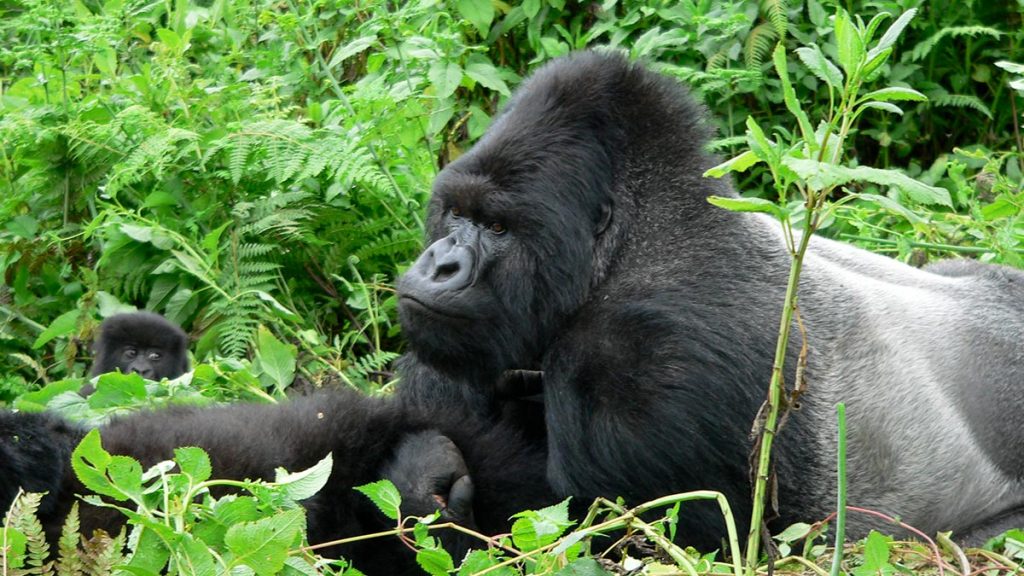
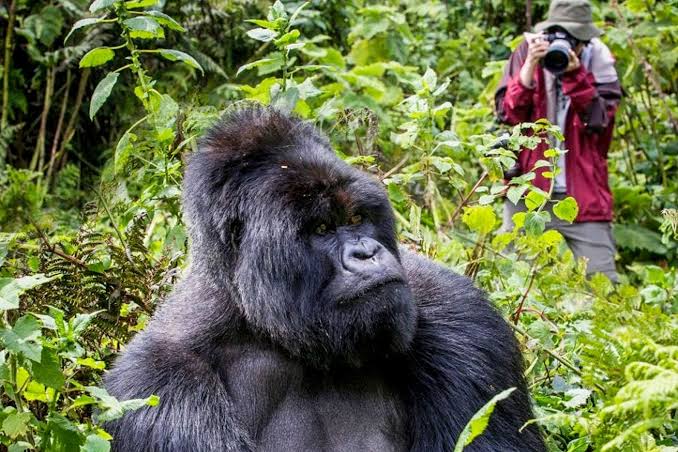
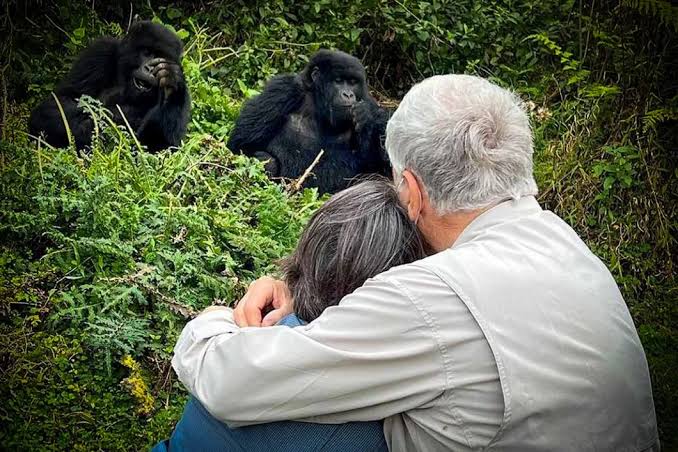
The metaverse cannot replace the life-changing experience of trekking through the forests of Uganda, Rwanda, or the Democratic Republic of the Congo. Standing only a few meters away from a wild mountain gorilla remains one of the most extraordinary wildlife encounters on Earth. However, immersive digital environments could complement real travel by expanding conservation education, improving visitor preparation, and increasing global awareness of endangered mountain gorillas.
As technology continues to evolve, the relationship between wildlife tourism and digital experiences will likely become increasingly important.
What Is the Metaverse?
The metaverse describes a network of immersive digital environments where users interact through virtual experiences. People may access these environments using virtual reality headsets, augmented reality devices, computers, or mobile phones.
Unlike traditional websites or videos, the metaverse allows users to move through interactive spaces, communicate with others, and participate in realistic digital experiences. These environments can simulate real-world destinations while providing educational information and interactive activities.
When discussing the gorilla trekking metaverse future, the focus remains on how immersive technology could support conservation and tourism rather than replace them.
Bringing Gorilla Habitats into Digital Worlds
Many people dream of seeing mountain gorillas but may never have the opportunity to travel to East Africa.
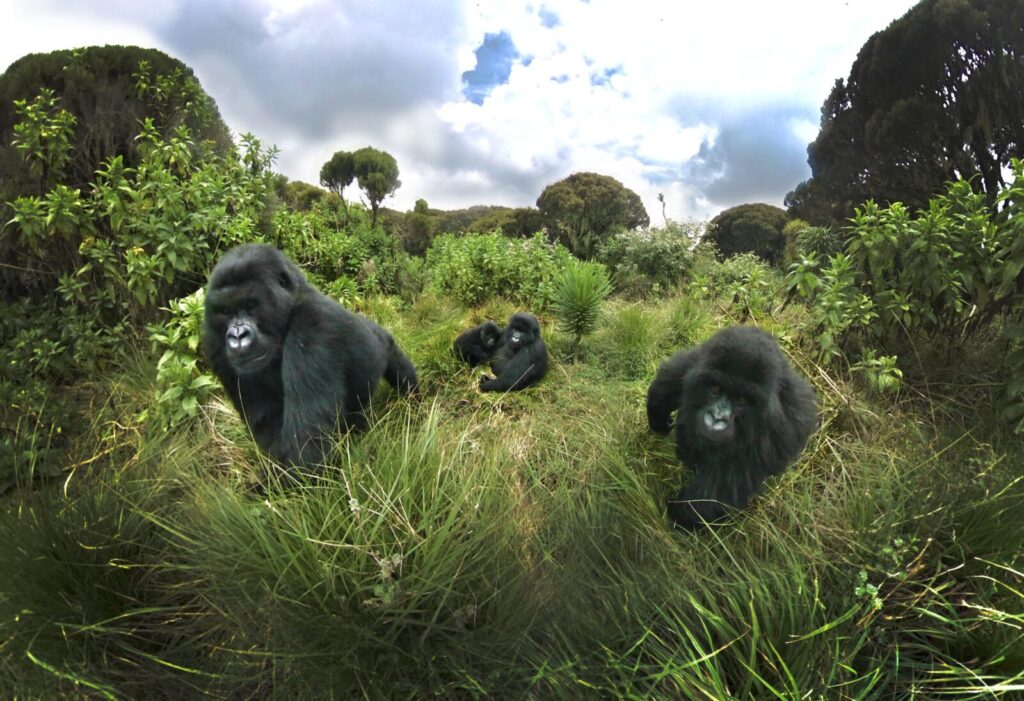
Metaverse technology could recreate detailed digital versions of tropical rainforests, allowing users to explore realistic gorilla habitats from anywhere in the world. Visitors could walk virtual forest trails, learn about native plants, observe mountain gorilla behavior through educational simulations, and discover the ecosystems that support these remarkable animals.
A gorilla-trekking metaverse future could make conservation education accessible to millions of people regardless of their location.
Technology expands global awareness.
Preparing Travelers Before Their Safari
Many first-time gorilla trekkers feel uncertain about what to expect during their adventure.
Immersive metaverse experiences could introduce visitors to trekking routes, ranger briefings, hiking conditions, conservation guidelines, and gorilla viewing etiquette before they arrive in Africa. Practicing these experiences virtually may help travelers feel more confident and better prepared for their actual safari.
A gorilla-trekking metaverse future has the potential to improve visitor readiness while encouraging responsible behavior inside protected areas.
Preparation enhances the overall safari experience.
Supporting Conservation Education
Education remains one of the most effective tools for protecting endangered wildlife.
Interactive metaverse environments could explain mountain gorilla biology, family structures, rainforest ecology, conservation challenges, veterinary care, anti-poaching initiatives, and community conservation projects in highly engaging ways. Users would actively participate in learning rather than simply watching videos or reading articles.
The educational opportunities offered by the gorilla trekking metaverse future could inspire greater public understanding of mountain gorilla conservation worldwide.
Knowledge encourages action.
Making Gorilla Experiences More Accessible
Not everyone can travel to East Africa because of financial limitations, age, physical disabilities, or personal circumstances.
Immersive digital experiences could allow people of all backgrounds to explore mountain gorilla habitats virtually while learning about wildlife conservation. Although digital experiences cannot replicate real encounters, they provide valuable educational opportunities for audiences who might otherwise never experience gorilla habitats.
The accessibility offered by the gorilla trekking metaverse future could broaden public appreciation for mountain gorillas across every continent.
Technology removes geographical barriers.
Supporting Schools and Universities
Educational institutions increasingly incorporate immersive technology into classroom learning.
A metaverse-based gorilla trekking experience could help students study geography, biology, ecology, environmental science, and wildlife conservation through interactive lessons. Instead of reading only textbooks, learners could virtually explore rainforest ecosystems while observing realistic conservation scenarios.
The gorilla trekking metaverse future may become an important educational resource for future generations interested in environmental protection.
Immersive learning strengthens understanding.
Promoting Responsible Tourism
Responsible tourism protects mountain gorillas while supporting local communities.
Metaverse experiences could teach visitors about park regulations, safe viewing distances, health requirements, conservation ethics, and the importance of respecting wildlife before they travel. Interactive scenarios may help travelers better understand how their behavior affects gorilla conservation.
A gorilla trekking metaverse future could encourage more informed and responsible visitors who arrive prepared to follow conservation guidelines.
Education supports sustainable tourism.
Supporting Conservation Fundraising
Digital environments may create new opportunities for conservation organizations to engage supporters.
Interactive conservation exhibitions, virtual fundraising events, educational tours, and immersive storytelling could strengthen public connections with mountain gorilla conservation projects. These experiences may encourage greater financial support for habitat protection, scientific research, veterinary programs, and community development.
The gorilla trekking metaverse future could therefore complement traditional fundraising while expanding conservation awareness.
Engaged audiences often become long-term supporters.
Technology Cannot Replace Real Gorilla Trekking
Despite rapid technological progress, no digital experience can fully reproduce an authentic gorilla trekking safari.
The sounds of the rainforest, the physical hike through mountain terrain, changing weather, fresh forest air, and the emotional impact of observing wild gorillas create memories that technology cannot duplicate. Real gorilla trekking also directly supports conservation through permit revenue and community tourism.
Instead of replacing travel, the gorilla trekking metaverse future should complement real tourism by inspiring visitors and expanding conservation education.
The natural experience remains irreplaceable.
Challenges for the Metaverse
Although the metaverse offers exciting possibilities, several challenges remain.
Developing realistic digital environments requires significant investment, technical expertise, and high-quality content. Access to virtual reality equipment also varies between countries, limiting participation for some users. Conservation organizations must ensure that immersive experiences accurately represent wildlife while respecting ethical standards and avoiding unrealistic portrayals.
Careful planning will determine how effectively the gorilla trekking metaverse future contributes to conservation goals.
Innovation requires responsibility.
Looking Ahead
Immersive technology continues evolving rapidly, making future possibilities increasingly exciting.
Advances in virtual reality, artificial intelligence, cloud computing, real-time graphics, and interactive education will likely improve digital wildlife experiences over the coming years. Conservation organizations may collaborate with technology companies, educational institutions, and tourism operators to create experiences that inspire more people to value mountain gorilla conservation.
Although the exact direction of the gorilla trekking metaverse future remains uncertain, technology will almost certainly continue supporting education, awareness, and responsible tourism.
Conclusion
The gorilla trekking metaverse future represents an exciting opportunity to combine technology with conservation education. Immersive digital experiences can introduce global audiences to mountain gorilla habitats, prepare future travelers, support classroom learning, encourage responsible tourism, and strengthen public awareness of one of Africa’s most endangered wildlife species.
While no virtual experience can replace the privilege of standing face to face with a wild mountain gorilla, the metaverse has the potential to complement real-world conservation by expanding access to knowledge and inspiring future generations to protect these remarkable animals. As digital innovation continues to advance, immersive technology may become an increasingly valuable partner in mountain gorilla conservation.