Gorilla Trekking from South Africa: Complete Planning Guide
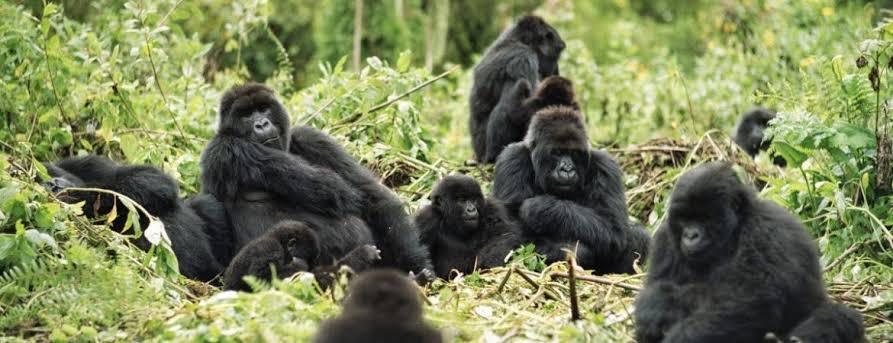
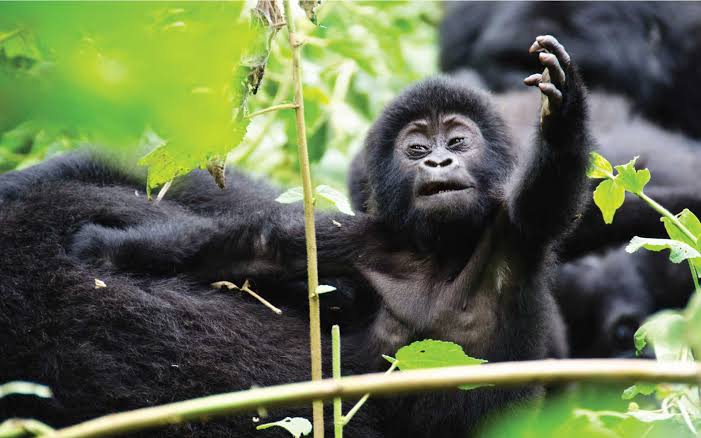
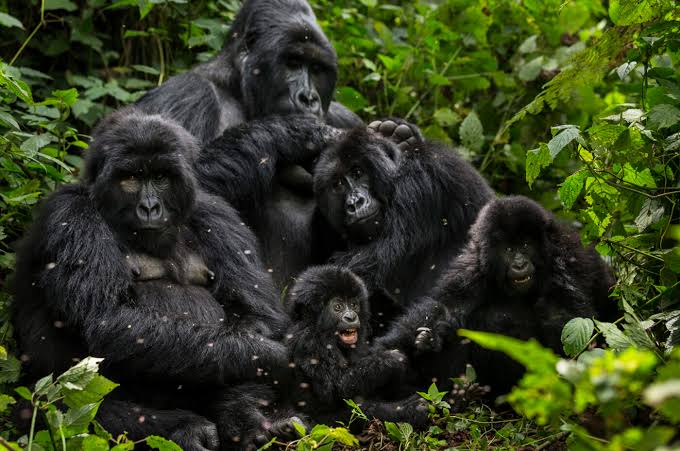
Gorilla trekking is one of Africa’s most extraordinary wildlife experiences, giving travelers the opportunity to enter tropical mountain forests and observe endangered mountain gorillas in their natural habitat. For travelers from South Africa, the journey to East Africa can be combined with a broader African adventure, making it possible to experience mountain gorillas alongside other wildlife, landscapes, and cultural attractions.
Planning gorilla trekking from South Africa requires more preparation than a conventional regional holiday. Travelers need to coordinate flights, immigration requirements, gorilla permits, accommodation, transportation, travel insurance, and trekking equipment. Uganda and Rwanda are the main destinations for mountain gorilla trekking in East Africa. Uganda offers trekking in Bwindi Impenetrable National Park and Mgahinga Gorilla National Park, while Rwanda offers trekking in Volcanoes National Park.
South African travelers can also take advantage of their relatively close geographic position compared with travelers from Europe, North America, or Asia. A well-planned itinerary can combine gorilla trekking with chimpanzee tracking, savannah game drives, cultural experiences, or visits to additional East African destinations.
This guide explains how to plan a gorilla trekking safari from South Africa, including flights, permits, visas, accommodation, transportation, packing, costs, health preparation, the best time to travel, and practical tips.
Choosing Uganda or Rwanda for Gorilla Trekking
South African travelers can choose between Uganda and Rwanda according to their preferred itinerary, budget, accommodation style, and available vacation time. Uganda offers two mountain gorilla destinations, with Bwindi Impenetrable National Park providing several trekking sectors, including Buhoma, Ruhija, Rushaga, and Nkuringo. Mgahinga Gorilla National Park provides another option in southwestern Uganda.
Rwanda’s mountain gorilla trekking takes place in Volcanoes National Park. The park lies relatively close to Kigali, allowing travelers to transfer from the international airport toward the gorilla trekking area without spending as many hours on the road as some Ugandan itineraries require.
Uganda can be attractive for travelers who want a longer wildlife safari. A South African visitor can combine gorilla trekking with chimpanzee tracking in Kibale National Park and game drives in Queen Elizabeth National Park. Longer trips can include Murchison Falls or Lake Mburo.
Rwanda can also support a combined itinerary, particularly when travelers add Akagera National Park or other attractions. The most suitable destination therefore depends on the entire safari rather than the gorilla trek alone.
Flights from South Africa to East Africa
Flight planning is an important part of gorilla trekking from South Africa. Travelers can depart from major South African airports such as O.R. Tambo International Airport in Johannesburg, Cape Town International Airport, or King Shaka International Airport in Durban, depending on available schedules.
For Uganda, the main international gateway is Entebbe International Airport. Depending on the travel dates, travelers may find direct or connecting services between South Africa and Uganda. Johannesburg is particularly important as a regional aviation hub, and flight availability can vary by season.
Travelers going to Rwanda arrive at Kigali International Airport. Flight options from South Africa may include direct or connecting services depending on the airline schedule.
When comparing flights, travelers should consider the arrival time, baggage allowance, connection duration, and onward safari transfer. A flight that arrives late in the evening may require an overnight stay before beginning a road journey.
Travelers should also avoid booking their international return flight immediately after a long gorilla trek. A buffer day can provide valuable flexibility.
How Long Should You Spend in East Africa?
South African travelers can arrange relatively short gorilla trips, but adding extra days can make the experience considerably more comfortable. A three-day gorilla safari may be sufficient for travelers who have limited leave, while five to seven days provides more time for travel and additional activities.
Travelers with more vacation time can plan a seven- to fourteen-day safari. This allows gorilla trekking to become part of a broader East African wildlife experience rather than the only activity.
For example, a Uganda itinerary could include arrival in Entebbe, travel toward southwestern Uganda, gorilla trekking in Bwindi, and additional wildlife activities before returning to the airport.
A Rwanda itinerary could combine Volcanoes National Park with Akagera National Park. Travelers can also consider combining Uganda and Rwanda if they have enough time and want to experience both countries.
A well-paced itinerary should include rest periods and sufficient time between long transfers and important international flights.
Gorilla Permit Costs for South African Travelers
The gorilla permit represents one of the largest individual expenses when planning gorilla trekking from South Africa. Permit categories depend on the applicable wildlife authority rules and the traveler’s eligibility rather than simply the airport from which the traveler departs.
For Uganda, the Uganda Wildlife Authority tariff covering July 2024 to June 2026 listed gorilla tracking at US$800 per person for foreign non-residents in Bwindi Impenetrable National Park and Mgahinga Gorilla National Park. Gorilla habituation was listed at US$1,500 per person.
Travelers should confirm the current tariff applicable to their exact travel dates because wildlife authorities can change permit prices between tariff periods.
The gorilla permit represents only one component of the safari budget. Travelers must also account for flights, accommodation, transportation, meals, visas where applicable, travel insurance, and other activities.
South African travelers should request a complete quotation before paying for a safari so they understand exactly which services are included.
How to Book Gorilla Permits from South Africa
Travelers should secure gorilla permits before traveling to East Africa. The number of visitors allowed to track habituated gorilla families remains limited, so popular dates can become unavailable.
Permits for Uganda can be arranged through the Uganda Wildlife Authority or through a reputable safari operator. UWA has published guidance explaining its permit purchasing procedures and advising travelers to use official payment channels.
South African travelers booking through an operator should verify the company before making payment. A professional quotation should clearly identify the permit, accommodation, transportation, meals, guiding services, and other inclusions.
Travelers should request confirmation of their permit reservation and retain payment receipts. These documents can help verify the booking throughout the safari.
It is also important to avoid paying unofficial individuals who promise extremely discounted permits. A genuine permit booking should have clear documentation and identifiable payment arrangements.
Visa Requirements for South African Travelers
South African passport holders should verify the current immigration requirements for the destination they intend to visit. Visa requirements depend on nationality and can differ between Uganda and Rwanda.
For Uganda, travelers who require visas should use the official electronic visa system operated by the Directorate of Citizenship and Immigration Control. Travelers should complete the application process before departure and carry the relevant approval documentation.
South African travelers should also verify passport validity and any vaccination documentation required for entry. Requirements can change, so checking the official immigration information before travel remains important.
For travelers visiting both Uganda and Rwanda, immigration planning becomes especially important. Border-crossing arrangements should be incorporated into the safari itinerary rather than treated as an afterthought.
Travelers should also make sure their entry documents cover the full duration and route of their trip.
Rwanda Visa Requirements for South African Travelers
South African travelers visiting Rwanda should check Rwanda’s current entry arrangements before departure. Rwanda operates a visa-on-arrival system for citizens of all countries, while travelers can also use the online application system.
Rwanda’s immigration authority states that visitor visas can be obtained at entry points, online, or through Rwandan diplomatic missions. The standard visitor visa fee is generally capped at US$50 for single entry and US$70 for multiple entry.
Travelers should normally hold a passport or acceptable travel document with at least six months of validity.
South African passport holders should verify the latest requirements before departure because visa policies and entry procedures can change.
If the safari includes both Rwanda and Uganda, travelers should also confirm the appropriate border and visa arrangements before booking transportation.
Health Preparation Before Traveling
Health preparation is an important part of gorilla trekking from South Africa. Travelers should consult a qualified travel-health professional before departure because recommended vaccinations and health precautions depend on the itinerary, countries visited, current conditions, and individual circumstances.
Yellow fever requirements deserve particular attention when traveling to Uganda and other destinations in the region. Travelers should confirm whether a valid vaccination certificate is required according to their specific route and travel history.
Physical preparation also matters. Gorilla trekking involves walking through mountainous forest terrain, sometimes over steep, muddy, and uneven trails. Regular walking, hiking, stair climbing, and cardiovascular exercise can improve endurance before the safari.
Travel insurance should provide appropriate medical and emergency evacuation coverage. Travelers should also carry necessary medicines and important health documentation.
Starting health preparation early gives travelers sufficient time to complete any recommended vaccinations and other preparations.
Accommodation During a Gorilla Safari
Accommodation forms an important part of the overall gorilla trekking experience. Uganda offers lodges and camps around Bwindi’s different trekking sectors and near Mgahinga, while Rwanda provides accommodation around Volcanoes National Park.
South African travelers should consider the location of their accommodation carefully. A lodge near the relevant trekking headquarters can reduce early-morning driving and make the trekking day easier.
Accommodation categories range from basic and comfortable properties to luxury lodges. Travelers can select according to their budget and preferred level of service.
Food requirements should also be communicated before arrival. Most established safari lodges can accommodate common dietary preferences when travelers provide advance notice.
Travelers should also ask about electricity, charging facilities, Wi-Fi, hot water, and other amenities, especially when staying in remote forest areas.
Transportation to the Gorilla Trekking Area
Transportation is an important part of gorilla trekking from South Africa because international travelers must continue from Entebbe or Kigali toward the mountain trekking areas.
In Uganda, travelers can reach Bwindi by road from Entebbe or Kampala, although the journey can take many hours. Domestic flights toward airports serving southwestern Uganda provide an alternative for travelers who want to reduce road travel.
The final approach to some Bwindi sectors can involve winding and rough roads. A reliable safari vehicle and an experienced driver can make these journeys considerably more comfortable.
Rwanda’s Volcanoes National Park generally involves a shorter road journey from Kigali. However, travelers should still allow sufficient time for traffic and other delays.
South African travelers should avoid scheduling an international flight immediately after a long safari transfer. Keeping a buffer between the safari and the flight reduces unnecessary travel pressure.
What to Expect on Gorilla Trekking Day
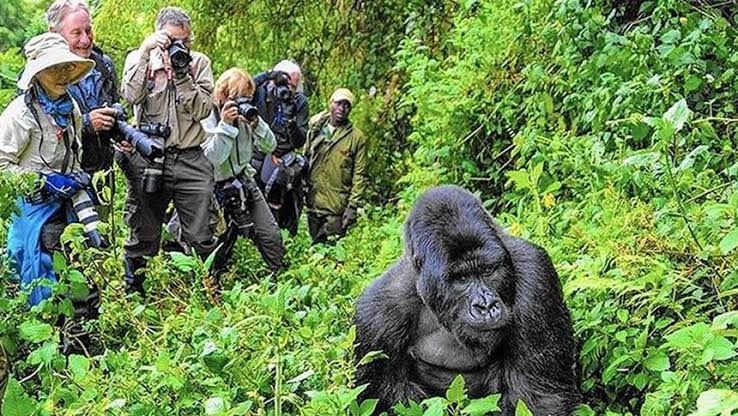
Gorilla trekking usually starts early in the morning with registration and a briefing at the appropriate park headquarters. Rangers explain safety rules, trekking procedures, and appropriate behavior around the gorillas.
The hike can involve steep slopes, muddy trails, dense vegetation, and changing weather. Trekking duration varies because gorillas move naturally through the forest, and their location changes.
When the gorilla family is located, visitors follow the ranger team’s instructions and maintain the required distance. The encounter is carefully managed to minimize disturbance to the animals.
Travelers should expect an active outdoor experience rather than a conventional game drive. The forest environment can be challenging, and visitors should prepare for several hours of physical activity.
For travelers who regularly participate in hiking or outdoor activities in South Africa, pre-trip conditioning can still be useful because mountain forest terrain differs significantly from many familiar hiking environments.
Gorilla Trekking Etiquette for South African Travelers
Gorilla trekking regulations apply equally to visitors from South Africa and other countries. Travelers should listen carefully to their ranger and follow all instructions during the trek and gorilla encounter.
Visitors should avoid shouting, sudden movements, feeding the gorillas, or trying to attract their attention. Touching the animals should also be avoided even when a gorilla approaches closely.
Photography should remain respectful. Travelers should follow the rules concerning flash photography and camera equipment and should never allow photography to interfere with ranger instructions.
Visitors should also respect the forest environment by avoiding litter and following park guidelines.
Responsible behavior helps protect the gorillas and supports the long-term conservation model that allows visitors to experience them in their natural habitat.
What to Pack from South Africa for a Gorilla Trek
Packing for a gorilla trek requires travelers to prepare for a cooler, wetter, and more humid environment than many parts of South Africa. Mountain forests can experience frequent rainfall, muddy trails, and rapidly changing weather.
Travelers should bring sturdy hiking boots or shoes, long trousers, lightweight layers, comfortable socks, a waterproof jacket, and gloves for protecting the hands from vegetation.
A waterproof daypack can protect cameras, phones, travel documents, and other personal belongings. Waterproof covers or dry bags are particularly useful for electronic equipment.
A walking stick can provide additional stability on steep or muddy trails. Travelers should also carry drinking water and follow their safari operator’s recommendations.
South African travelers should remember that familiar safari clothing may not be sufficient for mountain trekking. The emphasis should remain on comfortable, durable, weather-resistant equipment.
Best Time for Gorilla Trekking from South Africa
Gorilla trekking takes place throughout the year in Uganda and Rwanda. However, rainfall can influence trail conditions and the physical difficulty of the hike.
Some travelers prefer relatively drier periods because forest trails can be easier to navigate. Others travel during wetter periods because of work schedules, airfare, permit availability, or personal preferences.
South African travelers should consider their annual leave, school holidays, flight schedules, accommodation availability, and safari budget when selecting dates.
There is no guarantee of completely dry conditions in a tropical mountain forest. Rain can occur even during periods generally considered drier.
The most practical approach is to select dates that work with permit availability and the traveler’s broader schedule while preparing properly for wet conditions.
Combining Gorilla Trekking with an African Safari
Travelers from South Africa can make their journey to East Africa more rewarding by combining gorilla trekking with other wildlife experiences. Uganda provides especially strong opportunities for a multi-destination safari.
A traveler can combine gorilla trekking in Bwindi with chimpanzee tracking in Kibale National Park and game drives in Queen Elizabeth National Park. Longer itineraries can include Murchison Falls National Park or Lake Mburo National Park.
Rwanda provides another option. Travelers can visit Volcanoes National Park for gorilla trekking and continue to Akagera National Park for savannah wildlife.
Travelers with enough time can also combine Uganda and Rwanda. Such an itinerary requires careful planning of transportation, border crossings, accommodation, and immigration requirements.
A combined itinerary allows South African travelers to experience different ecosystems rather than limiting the holiday to one mountain forest.
Budgeting for Gorilla Trekking from South Africa
The total cost of gorilla trekking from South Africa depends on international airfare, gorilla permit fees, accommodation, transportation, safari duration, and additional activities.
The permit represents a substantial portion of the budget, but it should never be treated as the total safari cost. Flights, accommodation, meals, vehicles, visas, insurance, park activities, and personal expenses can add significantly to the final price.
Travelers can reduce costs by sharing safari vehicles, selecting mid-range accommodation, and combining destinations efficiently. Private vehicles and luxury lodges increase the overall cost but can provide greater flexibility and comfort.
Before booking, South African travelers should request a detailed quotation that clearly identifies inclusions and exclusions.
Comparing complete safari itineraries provides a more accurate understanding of value than comparing only the advertised permit price or package headline.
Travel Insurance for South African Gorilla Trekkers
Travel insurance is an important consideration for South African travelers visiting remote mountain destinations. Gorilla trekking takes place in forest terrain where medical facilities may be some distance away.
Travelers should consider insurance that provides appropriate medical treatment and emergency evacuation coverage. Policies may also offer protection for eligible cancellation, interruption, baggage problems, and other travel disruptions.
Before purchasing a policy, travelers should check whether trekking and other activities included in their itinerary are covered.
Travelers should keep digital and printed copies of their insurance policy, passport, emergency contacts, and safari documents.
Anyone traveling across Uganda and Rwanda should also confirm that their insurance covers the entire itinerary.
Why Early Planning Matters
Early planning is particularly important for gorilla trekking from South Africa because flights, permits, accommodation, and safari transportation need to work together.
Starting several months before departure provides more flexibility when selecting gorilla trekking dates and accommodation. It also gives travelers enough time to organize visas, insurance, health preparation, flights, and trekking equipment.
Families and groups should plan even earlier because several permits must be available on the same trekking date.
Travelers should also confirm permit availability before committing to non-refundable flights or accommodation where possible.
Early planning cannot eliminate every possible travel disruption, but it provides more options and makes the entire safari easier to coordinate.
Frequently Asked Questions
Can South African citizens go gorilla trekking in Uganda?
Yes. South African citizens can visit Uganda for tourism and participate in gorilla trekking provided they meet the applicable immigration requirements and obtain the required gorilla permit.
How much is a gorilla permit for South Africans?
The UWA tariff for July 2024–June 2026 listed the foreign non-resident gorilla tracking fee at US$800 per person. Travelers should confirm the current tariff applicable to their trekking date because permit rates can change.
Can I fly from South Africa to Uganda?
Yes. Travelers can use available airline services between South Africa and Uganda, either directly or through connecting routes depending on the departure city and travel date. Flight schedules should be checked before booking.
Is Rwanda or Uganda easier for a short gorilla trip?
Rwanda’s Volcanoes National Park is relatively close to Kigali, which can reduce the amount of road travel required after an international flight. Uganda can require longer transfers to Bwindi but offers multiple trekking sectors and extensive opportunities for longer wildlife safaris.
Do South Africans need a visa for Uganda?
South African travelers should check Uganda’s current immigration requirements before departure. Travelers who require an electronic tourist visa should apply through the official Uganda immigration system.
What should I wear for gorilla trekking?
Travelers should wear sturdy hiking footwear, long trousers, comfortable layers, and weather-resistant clothing. A waterproof jacket and gloves can be especially useful in wet and dense forest conditions.
Can I combine gorilla trekking with other safaris?
Yes. Uganda and Rwanda both provide opportunities to combine gorilla trekking with other wildlife experiences. Uganda can be combined with chimpanzee tracking and savannah game drives, while Rwanda can be combined with Akagera and other destinations.
Conclusion
Planning gorilla trekking from South Africa provides an opportunity to combine an African regional journey with one of the continent’s most remarkable wildlife experiences. Although the trip requires careful preparation, travelers can organize flights, permits, accommodation, transportation, insurance, and trekking equipment well before departure.
Uganda provides gorilla trekking in Bwindi and Mgahinga and offers extensive opportunities to combine mountain gorillas with chimpanzees and savannah wildlife. Rwanda’s Volcanoes National Park provides another option, particularly for travelers who prefer a relatively short transfer from Kigali.
South African travelers should begin planning early, confirm current permit and immigration requirements, and allow enough time for transportation and trekking. Choosing appropriate equipment and preparing physically can also make the forest experience more comfortable.
With careful planning, a journey from South Africa to the mountain gorilla forests of East Africa can become an unforgettable safari combining adventure, wildlife, conservation, and the unique landscapes of the region.