Gorilla Trekking from China: Complete Planning Guide
Gorilla trekking is a once-in-a-lifetime wildlife experience that attracts adventurous travelers from around the world. For travelers from China, planning a gorilla safari in East Africa requires careful preparation because the journey involves international flights, immigration requirements, gorilla permits, accommodation, ground transportation, and trekking arrangements.
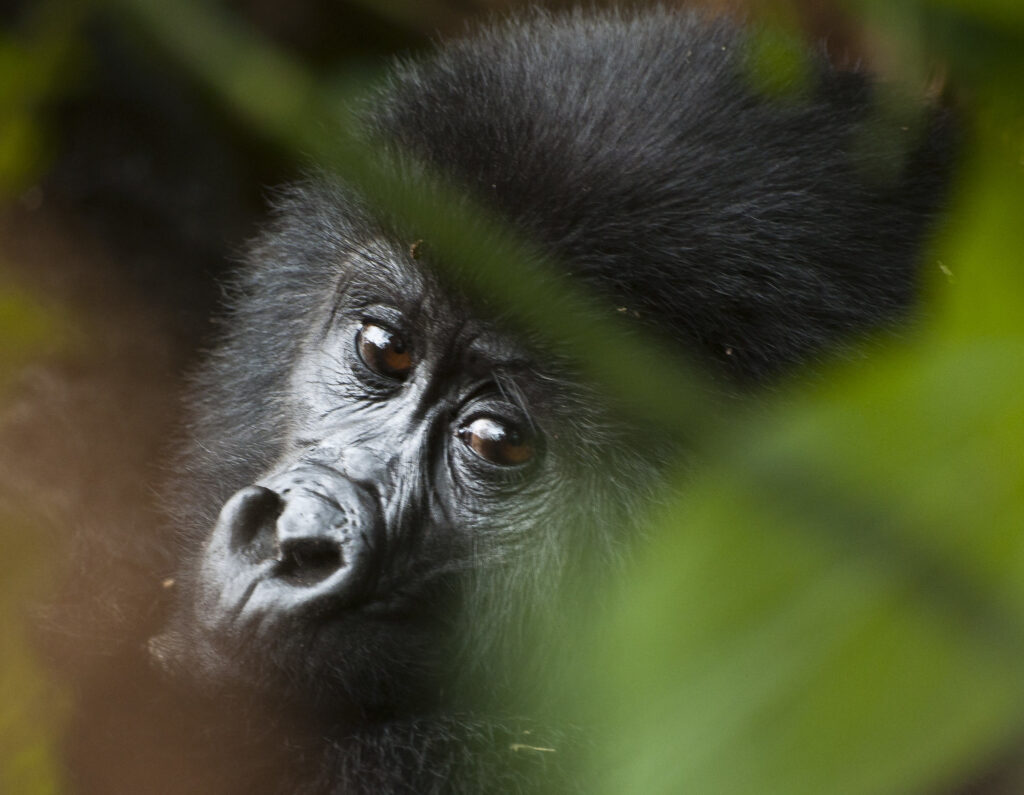
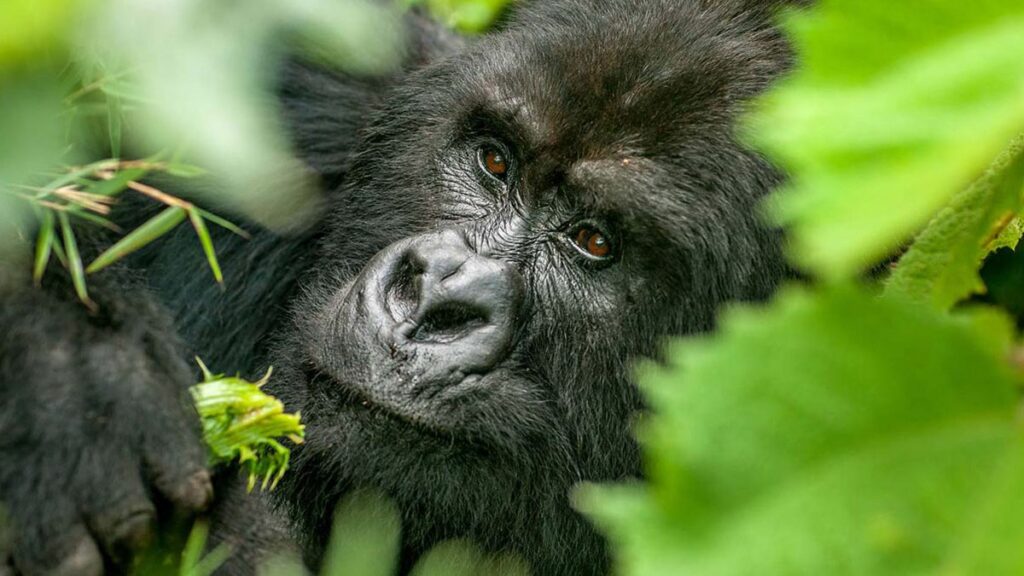
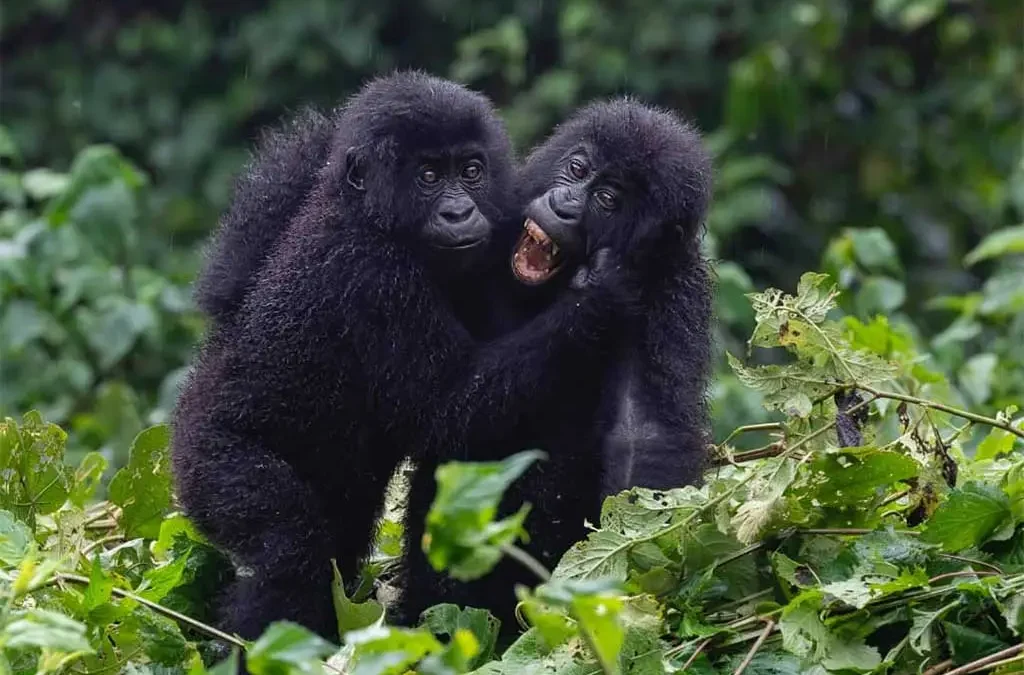
Uganda and Rwanda are the main destinations for travelers planning to see endangered mountain gorillas in East Africa. Uganda offers gorilla trekking in Bwindi Impenetrable National Park and Mgahinga Gorilla National Park, while Rwanda offers trekking in Volcanoes National Park. Both destinations provide opportunities to observe mountain gorillas in their natural forest habitat.
Traveling from China to East Africa is a long-distance journey, so it makes sense to combine gorilla trekking with other African safari experiences. A well-planned itinerary can include gorilla trekking alongside wildlife viewing, cultural experiences, chimpanzee tracking, or visits to other national parks.
This guide explains how to plan gorilla trekking from China, including flights, visas, permits, accommodation, transportation, health preparation, trekking requirements, costs, the best time to travel, and practical advice for Chinese travelers.
Choosing Uganda or Rwanda for Gorilla Trekking
Chinese travelers can choose between Uganda and Rwanda depending on their preferred itinerary, budget, accommodation style, and overall safari plans. Uganda provides gorilla trekking in Bwindi Impenetrable National Park and Mgahinga Gorilla National Park. Bwindi contains several trekking sectors, including Buhoma, Ruhija, Rushaga, and Nkuringo, giving travelers different options for arranging their trek.
Rwanda offers gorilla trekking in Volcanoes National Park in the country’s northern region. Kigali’s international airport is relatively close to the gorilla trekking area, which can make the transfer to the park convenient for travelers who want a shorter itinerary.
Uganda can also work particularly well for travelers who want to combine gorilla trekking with a longer wildlife safari. A Chinese visitor might combine Bwindi with Queen Elizabeth National Park, Kibale National Park, Murchison Falls National Park, or Lake Mburo National Park. Rwanda can be combined with destinations such as Akagera National Park and Nyungwe National Park.
The choice therefore depends on the type of African experience the traveler wants to build around the gorilla trek.
Flights from China to East Africa
Planning international flights represents one of the most important parts of gorilla trekking from China. Travelers can begin their journey from major Chinese aviation hubs such as Beijing, Shanghai, Guangzhou, Shenzhen, Chengdu, or other cities depending on available schedules.
For Uganda, the international arrival airport is Entebbe International Airport. Travelers from China generally need to connect through another international hub rather than relying on a nonstop China–Entebbe service. Current route information, for example, shows no direct Guangzhou–Entebbe service, with connecting options available through hubs including Addis Ababa, Nairobi, Dubai, Doha, and Istanbul.
For Rwanda, travelers normally fly into Kigali International Airport. The best routing depends on the departure city in China, airline schedules, connection times, baggage arrangements, and ticket prices.
When comparing flights, travelers should consider the entire journey rather than choosing an itinerary solely because it has the lowest advertised fare. A longer connection may increase the risk of fatigue and missed connections, while a carefully timed itinerary can make the arrival in East Africa much easier.
How Long Should You Spend in East Africa?
A gorilla trekking trip from China should ideally allow enough time to recover from the long international journey. Although it is technically possible to arrange a short gorilla trip, adding several days creates a more comfortable experience.
A three-day Uganda gorilla safari can work for travelers who only want to focus on the gorilla experience, but travelers coming from China may benefit from a longer itinerary. A five- to seven-day trip allows time for travel, relaxation, gorilla trekking, and additional activities.
Travelers interested in a broader African safari can consider a seven- to fourteen-day itinerary. This allows gorilla trekking to become part of a larger journey that includes chimpanzee tracking, savannah wildlife, cultural experiences, and scenic destinations.
Allowing sufficient time also provides some flexibility if road transfers take longer than expected or if international flight schedules change.
Gorilla Permit Costs for Chinese Travelers
A gorilla permit is one of the largest individual expenses in a gorilla safari. Chinese passport holders traveling as foreign non-residents fall under Uganda’s foreign non-resident category unless they hold another qualifying status.
The UWA tariff covering July 2024–June 2026 listed gorilla tracking at US$800 per person for foreign non-residents in both Bwindi Impenetrable National Park and Mgahinga Gorilla National Park. Gorilla habituation was listed at US$1,500 per person.
Because tariff periods can change, travelers planning a 2026–2027 safari should confirm the applicable rate directly with the Uganda Wildlife Authority or their licensed safari operator before paying. UWA’s current rates page provides access to its tariff information.
The permit normally covers the regulated gorilla tracking experience itself. It should not be confused with the total cost of a safari, which also includes accommodation, transportation, meals, guiding, international flights, visas, insurance, and other activities.
Booking Gorilla Permits from China
Chinese travelers should arrange their gorilla permits well before arriving in East Africa. Gorilla permits are limited because wildlife authorities restrict the number of visitors who can visit habituated gorilla groups each day.
The Uganda Wildlife Authority has published specific guidelines governing the purchase of gorilla and chimpanzee permits. Its advisory states that travelers do not need to physically visit the reservations office to make a booking and warns visitors to use official payment channels. UWA also advises travelers to obtain a proforma invoice confirming the reservation before making payment.
For international travelers, working with a legitimate safari operator can simplify the process. However, travelers should verify the company’s registration, payment instructions, permit documentation, and cancellation conditions before transferring money.
Avoid sending money to unofficial personal accounts simply because someone offers a discounted permit.
Uganda Visa Requirements for Chinese Travelers
Chinese travelers visiting Uganda for tourism should plan their immigration requirements before departure. Uganda’s immigration authorities require visa-prone travelers to apply online through the official electronic visa system. The official portal is operated by Uganda’s Directorate of Citizenship and Immigration Control.
Uganda’s ordinary tourist visa costs US$50 according to the immigration authorities. The tourist visa can be granted for tourism and related short-term visits, and applicants must provide documents such as a passport copy, travel information, and other supporting documents requested during the application process.
Travelers should ensure that their passport has at least six months of validity and should carry their visa approval documentation when traveling. Uganda Immigration specifically warns travelers about fraudulent visa websites and identifies the official electronic visa portal as the legitimate application platform.
Visa rules can change, so Chinese travelers should check the official immigration portal again shortly before departure.
Rwanda Visa Requirements for Chinese Travelers
Rwanda offers visa-on-arrival access to citizens of all countries, with travelers who are not visa-exempt generally able to obtain a visitor visa on arrival or apply online before departure. Rwanda’s immigration authority states that visitor visas can be obtained at entry points, online, or through Rwandan diplomatic missions.
The standard visitor visa fee is generally capped at US$50 for single entry and US$70 for multiple entry. Rwanda’s immigration authority also states that passports or other acceptable travel documents should generally have at least six months of validity.
Chinese travelers should distinguish between ordinary and diplomatic or service passports because Rwanda’s visa arrangements differ by passport type. Rwanda’s published visa regime provides a 90-day visa exemption for Chinese diplomatic and service/official passport holders, while ordinary passport travelers should follow the standard visitor visa rules.
Health Preparation Before Traveling from China
Health preparation deserves attention when planning gorilla trekking from China. Travelers should consult a qualified travel-health professional well before departure because recommended vaccinations and precautions depend on the itinerary, medical history, current disease conditions, and countries visited.
Yellow fever requirements are particularly important when traveling to Uganda and other East African destinations. Uganda’s immigration documentation lists a yellow fever vaccination certificate among documents that may be required during visa processing and entry procedures.
Travelers should also prepare for the physical demands of hiking in mountainous forest terrain. Regular walking, hiking, stair climbing, and cardiovascular exercise can help improve fitness before departure.
Travel insurance should cover medical treatment, emergency evacuation, trip interruption, and other relevant risks. Travelers should also carry essential medications in their original packaging and keep important medical information accessible during the trip.
Accommodation During a Gorilla Safari
Accommodation can significantly affect the comfort of a gorilla trekking trip. In Uganda, travelers can stay at lodges and camps around Bwindi’s different trekking sectors or near Mgahinga Gorilla National Park. Rwanda offers accommodation around Volcanoes National Park, ranging from comfortable mid-range properties to high-end lodges.
Chinese travelers should select accommodation based on the location of their gorilla trekking sector rather than choosing a property solely because it has excellent online reviews. Staying close to the trekking starting point can reduce early-morning driving and make the trek more convenient.
Travelers should also communicate dietary preferences when booking accommodation. Many safari lodges can accommodate different dietary requirements when they receive advance notice.
For travelers who do not speak English comfortably, it can also help to arrange clear written itinerary information and emergency contact details before arriving.
Transportation to the Gorilla Trekking Area
Transportation is another major consideration when planning gorilla trekking from China. International travelers arriving at Entebbe or Kigali normally continue their journey by road or, depending on the itinerary, by domestic or regional flight.
In Uganda, the journey from Entebbe or Kampala to Bwindi can take considerable time by road. Travelers may therefore choose a domestic flight toward the Kisoro or Kihihi area and then continue by road, depending on their trekking sector and flight availability.
Road conditions vary, especially in mountainous areas. A safari vehicle with experienced drivers is important because some approaches to Bwindi involve winding roads and rougher surfaces.
Travelers should avoid scheduling an international flight immediately after a long gorilla trek. Building a buffer day into the itinerary can reduce the pressure created by road delays or unexpected changes.
What to Expect on Gorilla Trekking Day
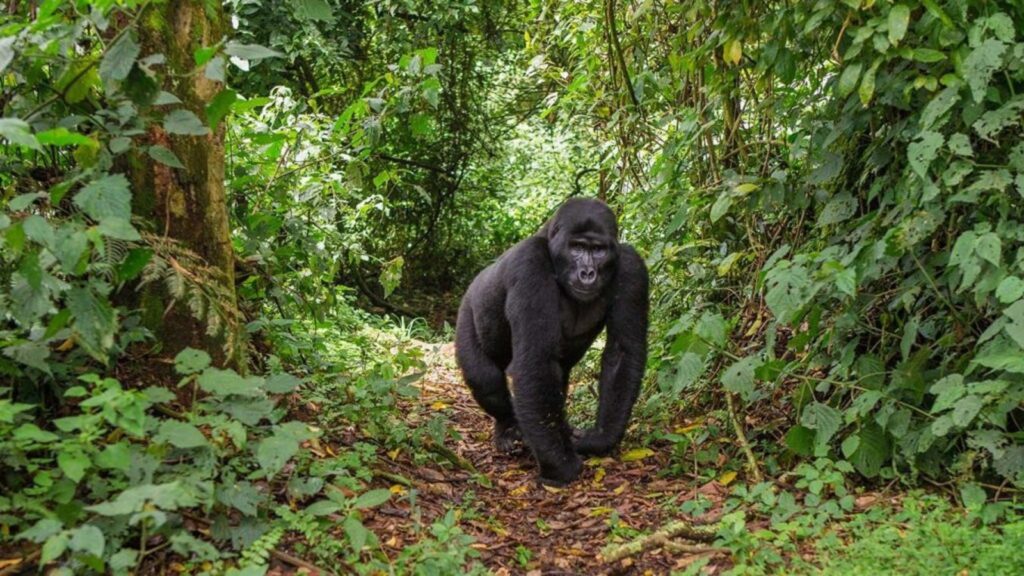
Gorilla trekking normally begins early in the morning with registration and briefing at the relevant park headquarters. Rangers explain trekking procedures, safety rules, and appropriate behavior around the gorillas before visitors enter the forest.
The hike can involve steep slopes, muddy paths, thick vegetation, and changing weather. Trekking times vary because gorillas move through the forest, meaning visitors cannot know the exact duration of the hike in advance.
Once the gorilla family is located, visitors follow the ranger team’s instructions and maintain the required distance. The encounter is carefully managed to protect both visitors and gorillas.
Travelers should not expect a conventional zoo-style wildlife viewing experience. Gorilla trekking takes place in a natural forest environment, and every trek can be different.
Gorilla Trekking Etiquette for Chinese Travelers
Respectful behavior is essential during every gorilla trek. Visitors should listen carefully to their guides and follow instructions concerning distance, movement, photography, noise, and interaction with the gorillas.
Travelers should avoid shouting, sudden movements, feeding wildlife, or attempting to attract a gorilla’s attention. Flash photography should also be avoided when prohibited by the trekking guidelines.
Photography is an important part of the experience, but getting a photograph should never take priority over conservation rules. Visitors should also avoid touching gorillas even if an animal approaches relatively close.
Following these rules helps protect the gorillas and contributes to the long-term sustainability of gorilla tourism.
What to Pack from China for a Gorilla Trek
The clothing and equipment required for a gorilla trek differ from those used for an ordinary city holiday. Travelers should prepare for rain, mud, steep terrain, insects, and changing temperatures.
A good trekking wardrobe includes lightweight, quick-drying clothing, a waterproof jacket, sturdy hiking shoes or boots, long trousers, gardening-style gloves, and appropriate socks. A small waterproof daypack can protect cameras, phones, documents, and other valuables.
A walking stick can also help with balance on steep or muddy trails. Travelers should carry enough drinking water and follow the instructions provided by their safari operator regarding food and snacks.
Chinese travelers should also bring suitable electrical adapters and keep passports, travel documents, insurance information, and emergency contacts safely organized.
Best Time for Gorillas Trekking from China
Gorilla trekking can take place throughout the year, but weather conditions influence trail conditions and the overall trekking experience. Uganda and Rwanda have tropical mountain climates, so rain remains possible even during periods commonly described as drier.
Some travelers prefer the relatively drier months because forest trails may be easier to navigate. Other travelers choose wetter periods because travel demand can differ and forest conditions may produce a different experience.
Rather than choosing dates based solely on a generic “best month,” Chinese travelers should consider their annual leave, international flight prices, accommodation availability, permit availability, and tolerance for wet trekking conditions.
Because gorilla permits are limited, securing the permit first can be more important than waiting for a theoretically perfect travel month.
Combining Gorilla Trekking with an African Safari
One major advantage of traveling from China for gorilla trekking from China is the opportunity to combine the trek with other African experiences. The long international journey makes a longer holiday worthwhile for many travelers.
A Uganda itinerary could combine gorilla trekking with chimpanzee tracking in Kibale National Park and savannah wildlife viewing in Queen Elizabeth National Park. Travelers with more time could continue toward Murchison Falls National Park or other destinations.
A Rwanda itinerary could combine Volcanoes National Park with Akagera National Park, allowing travelers to experience both mountain gorillas and savannah wildlife within the same country.
For first-time visitors to Africa, combining several destinations can provide a broader understanding of East Africa’s landscapes, wildlife, cultures, and conservation programs.
Budgeting for Gorilla Trekking from China
The total cost of gorilla trekking from China varies considerably depending on the length and style of the safari. International airfare represents one of the largest expenses, while the gorilla permit forms another major component.
Travelers must also budget for accommodation, airport transfers, safari vehicles, park activities, meals, visas, travel insurance, tips, and personal expenses. Luxury lodges and private vehicles can increase the total cost significantly.
Budget-conscious travelers can reduce expenses by selecting mid-range accommodation, sharing transportation, and combining activities efficiently. However, travelers should avoid choosing a safari operator based solely on the lowest quotation.
A suspiciously cheap package can exclude important services or involve unofficial permit arrangements. A detailed quotation should clearly explain what the package includes and excludes before payment.
Travel Insurance for Chinese Gorilla Trekkers
Travel insurance provides an important layer of protection for international visitors. Gorilla trekking takes place in remote mountainous environments, so travelers should consider policies that provide appropriate medical and emergency evacuation coverage.
Insurance should also address trip cancellation or interruption where possible, particularly because international flights, permits, and accommodation can represent substantial financial commitments.
Before purchasing a policy, travelers should read the conditions carefully. Some policies exclude particular adventure activities or have limitations concerning medical evacuation.
Chinese travelers should keep digital and printed copies of their insurance details and emergency assistance numbers. Sharing the policy information with a trusted family member can also provide additional reassurance during the trip.
Why Early Planning Matters
Planning early is particularly important for travelers coming from China because international flights require considerable coordination with the safari itinerary. Gorilla permits also have limited availability, while suitable accommodation near popular trekking sectors can fill quickly during busy periods.
Starting the planning process several months ahead gives travelers more flexibility when selecting dates, trekking sectors, accommodation, and flight connections. It also provides enough time to complete visa applications and health preparations.
Travelers arranging group trips should start even earlier because several people need permits for the same date.
Early planning does not eliminate every possible travel disruption, but it gives travelers more options and reduces the pressure of making last-minute arrangements.
Frequently Asked Questions
Can Chinese citizens go gorilla trekking in Uganda?
Yes. Chinese citizens can visit Uganda for tourism and participate in gorilla trekking provided they meet Uganda’s immigration requirements and obtain the necessary gorilla permit. Uganda’s official immigration system provides online tourist visa applications for travelers who require visas.
How much is a gorilla permit in Uganda?
The UWA tariff for July 2024–June 2026 listed the foreign non-resident gorilla tracking fee at US$800 per person in Bwindi and Mgahinga. Travelers should confirm the applicable tariff for their exact travel dates because UWA can change rates between tariff periods.
Is Rwanda easier to reach than Uganda for gorilla trekking?
Rwanda’s Volcanoes National Park is relatively close to Kigali, while Uganda’s Bwindi trekking sectors require longer road transfers from major international arrival points. The more convenient option depends on the traveler’s itinerary, flight connections, trekking sector, and preferred activities.
How far in advance should I book a gorilla safari from China?
Booking several months ahead is advisable, particularly when traveling during busy periods or when several people need permits on the same date. Earlier planning also gives travelers more choice of flights, accommodation, and trekking sectors.
Do I need a visa to visit Uganda from China?
Chinese ordinary passport holders should follow Uganda’s current visa requirements and apply through the official electronic visa system where required. Uganda’s ordinary tourist visa is currently listed at US$50.
Can I combine gorilla trekking with other African wildlife?
Yes. Uganda and Rwanda both provide opportunities to combine gorilla trekking with other wildlife and cultural experiences. The best combination depends on the length of the trip and the destinations included in the itinerary.
Conclusion
Planning gorilla trekking from China requires more preparation than an ordinary international holiday, but careful organization can make the journey smooth and rewarding. Travelers need to coordinate international flights, visas, gorilla permits, accommodation, transportation, health preparation, insurance, and trekking equipment before departure.
Uganda provides opportunities to combine gorilla trekking with extensive wildlife and primate safaris, while Rwanda offers access to the gorillas in Volcanoes National Park alongside other attractions. Chinese travelers should compare the complete itinerary rather than looking only at permit prices or international airfare.
The most important step is to begin planning early and verify current requirements directly with official authorities. Gorilla permit prices, immigration rules, flight schedules, and park regulations can change, so travelers should confirm these details shortly before making final arrangements.
With the right preparation, a journey from China to the mountain gorilla forests of East Africa can become an unforgettable African adventure.