Gorilla Trekking Fair Wage Employment: Supporting Sustainable Livelihoods Through Responsible Tourism
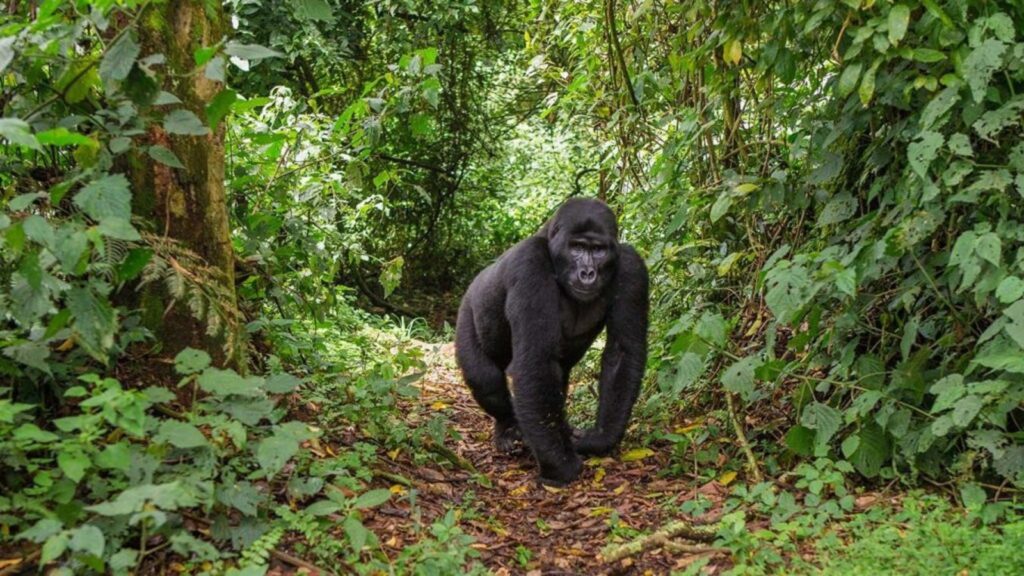
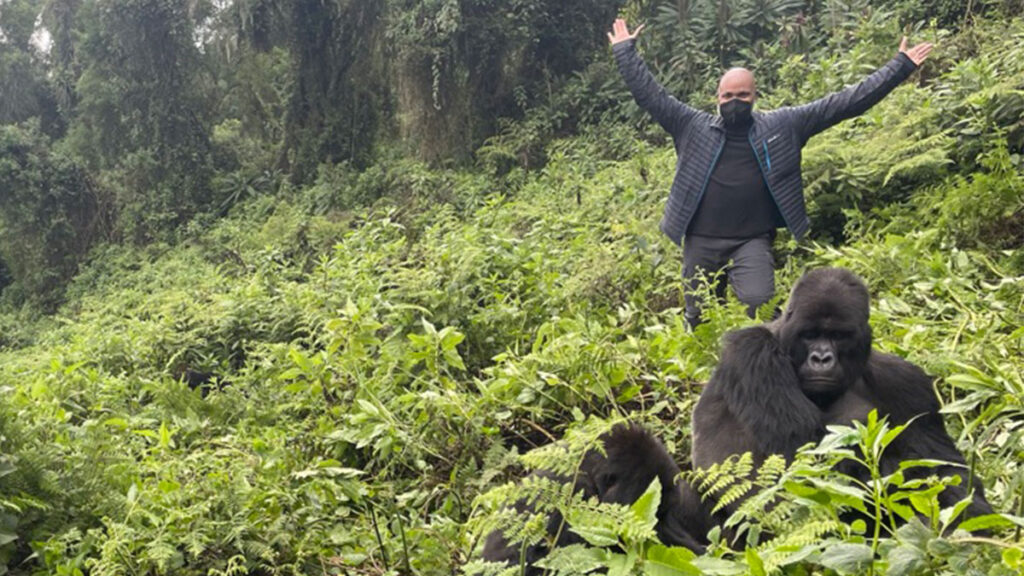
Gorilla trekking is widely recognized for its contribution to wildlife conservation and sustainable tourism in East Africa. Thousands of visitors travel to Uganda, Rwanda, and the Democratic Republic of Congo each year to experience the rare opportunity of observing mountain gorillas in their natural habitat. While conservation often receives most of the attention, the success of gorilla tourism also depends on the people who work throughout the industry. This is why gorilla trekking fair-wage employment has become an increasingly important topic within sustainable tourism discussions.
Fair wage employment ensures that individuals working in tourism receive reasonable compensation for their labor, skills, and contributions. From park rangers and guides to lodge staff, drivers, porters, cooks, and community tourism workers, thousands of people rely on gorilla tourism for their livelihoods. Providing fair wages helps improve living standards, strengthen local economies, and create long-term support for conservation initiatives.
As responsible tourism continues to grow, many tourism operators, conservation organizations, and government agencies are placing greater emphasis on fair employment practices. These efforts help ensure that the economic benefits generated by gorilla trekking reach the communities and individuals who play a critical role in delivering the visitor experience.
What Is Gorilla Trekking Fair Wage Employment?
“Gorilla trekking fair wage employment” refers to employment practices that provide workers with compensation that reflects their skills, responsibilities, working conditions, and contribution to the tourism sector. Fair wages go beyond minimum legal requirements and aim to support a reasonable standard of living for employees and their families.
In the gorilla tourism industry, fair wage policies apply to a wide range of occupations. Employees may include wildlife rangers, safari guides, accommodation staff, conservation workers, community tourism representatives, administrative personnel, transportation providers, and many others.
Fair employment practices often include not only wages but also benefits such as training opportunities, safe working conditions, healthcare support, career development, and equal employment opportunities. Together, these measures contribute to a more sustainable and inclusive tourism industry.
A fair and motivated workforce ultimately benefits both tourism businesses and visitors.
Why Fair Wages Matter in Gorilla Tourism
The importance of gorilla trekking fair-wage employment becomes clear when considering the role that tourism plays in local economies. Gorilla tourism generates significant revenue, and ensuring that workers receive a fair share of these economic benefits is essential for long-term sustainability.
Fair wages help improve household incomes, reduce poverty, and strengthen economic resilience within communities located near protected areas. Employees who receive appropriate compensation are often better able to support their families, access education, invest in small businesses, and improve their quality of life.
When tourism creates meaningful economic opportunities, local communities are more likely to support conservation initiatives and wildlife protection efforts. This relationship between economic development and conservation has become one of the foundations of successful gorilla tourism.
Fair compensation helps ensure that tourism benefits are distributed more equitably across society.
Supporting Wildlife Rangers and Conservation Staff
One of the most important applications of gorilla trekking fair-wage employment involves the support of wildlife rangers and conservation personnel. Rangers serve on the front lines of mountain gorilla protection and perform some of the most demanding roles within the conservation sector.
Their responsibilities include monitoring gorilla families, conducting patrols, removing snares, preventing illegal activities, collecting conservation data, guiding visitors, and responding to wildlife emergencies. These duties often require long hours in challenging forest environments.
Providing fair compensation helps recognize the value of their work while improving job satisfaction and retention. Well-supported conservation staff are better positioned to perform their responsibilities effectively and remain committed to long-term conservation careers.
Fair employment practices contribute directly to stronger conservation outcomes.
The Importance of Fair Wages for Porters
Porters are another group that benefits significantly from gorilla trekking fair-wage employment initiatives. During gorilla trekking expeditions, porters assist visitors by carrying bags, providing support on steep terrain, and helping trekkers navigate challenging forest conditions.
For many local residents, porter services represent an important source of income. Fair wages help ensure that porters receive appropriate compensation for physically demanding work that contributes significantly to visitor safety and comfort.
Many tourism operators encourage fair payment structures and transparent porter hiring systems. Some organizations also provide training and financial literacy programs to help porters maximize the benefits of their earnings.
Supporting fair wages for porters strengthens community participation in tourism.
Enhancing Service Quality Through Fair Employment
The relationship between gorilla trekking, fair wage employment, and service quality is often overlooked. Employees who feel valued and fairly compensated are generally more motivated, engaged, and committed to delivering high-quality services.
Fair employment practices can improve staff retention, reduce turnover, and encourage professional development. Experienced employees often provide better customer service, stronger operational performance, and more consistent visitor experiences.
Tourism businesses benefit from these improvements through stronger reputations, higher visitor satisfaction, and increased customer loyalty. In this way, fair wages contribute not only to social development but also to business success.
A well-supported workforce forms the foundation of exceptional tourism experiences.
Community Development Benefits
The broader economic impact of gorilla trekking fair-wage employment extends throughout local communities. When tourism workers earn fair wages, they spend income on housing, food, education, healthcare, transportation, and local businesses.
This spending stimulates economic activity and creates secondary employment opportunities throughout the region. Small businesses, service providers, farmers, and community enterprises all benefit from stronger local purchasing power.
As tourism income circulates through local economies, communities become more resilient and economically diversified. These benefits help reduce dependence on activities that may negatively affect wildlife habitats or conservation goals.
Fair employment therefore supports both economic development and environmental sustainability.
Gender Equality and Inclusive Employment
Many gorilla trekking fair-wage employment initiatives also promote gender equality and inclusive employment practices. Tourism provides opportunities for women, youth, and historically underrepresented groups to participate in economic activities and develop professional skills.
Equal pay policies, leadership development programs, vocational training opportunities, and inclusive recruitment practices help create more equitable workplaces. These measures strengthen social inclusion while expanding economic opportunities for diverse community members.
Inclusive employment contributes to stronger social outcomes and aligns with international sustainability objectives. Many tourism businesses increasingly view diversity and inclusion as important components of responsible tourism management.
These efforts help ensure that tourism benefits are shared more broadly across society.
Responsible Tourism and Ethical Business Practices
Fair wages form a central component of responsible tourism and ethical business management. Businesses that embrace gorilla trekking fair-wage employment demonstrate a commitment to social responsibility and sustainable development.
Travelers increasingly seek tourism experiences that support ethical practices and contribute positively to local communities. Fair employment policies help tourism operators meet these expectations while strengthening their sustainability credentials.
Responsible tourism certifications, sustainability programs, and industry guidelines often encourage fair labor practices as part of broader social responsibility frameworks. These standards help promote accountability and continuous improvement throughout the sector.
Ethical employment has become an important indicator of tourism sustainability.
Fair Employment in Uganda and Rwanda’s Gorilla Tourism Sector
Many organizations involved in gorilla tourism are working to strengthen gorilla trekking fair-wage employment across East Africa’s leading gorilla destinations. Tourism enterprises operating near Bwindi Impenetrable National Park provide employment opportunities for guides, rangers, lodge staff, drivers, and community tourism workers whose livelihoods depend on sustainable tourism.
Similar employment opportunities exist around Mgahinga Gorilla National Park, where conservation and tourism activities contribute significantly to local economic development.
In Rwanda, businesses associated with Volcanoes National Park increasingly emphasize responsible employment practices as part of broader sustainability and community engagement strategies.
These destinations illustrate the important connection between tourism success and fair employment.
Conclusion
Gorilla trekking fair-wage employment is a critical element of sustainable tourism because it ensures that the people who make gorilla tourism possible receive appropriate economic benefits from the industry. Fair wages improve livelihoods, strengthen communities, support conservation goals, and contribute to higher-quality tourism experiences.
From wildlife rangers and guides to porters, hospitality staff, and community tourism workers, thousands of individuals depend on gorilla tourism for income and employment. Responsible employment practices help create more equitable and resilient tourism systems while promoting social and economic development.
As travelers, businesses, and conservation organizations increasingly prioritize sustainability, fair wage employment will remain an essential pillar of responsible gorilla tourism across East Africa.