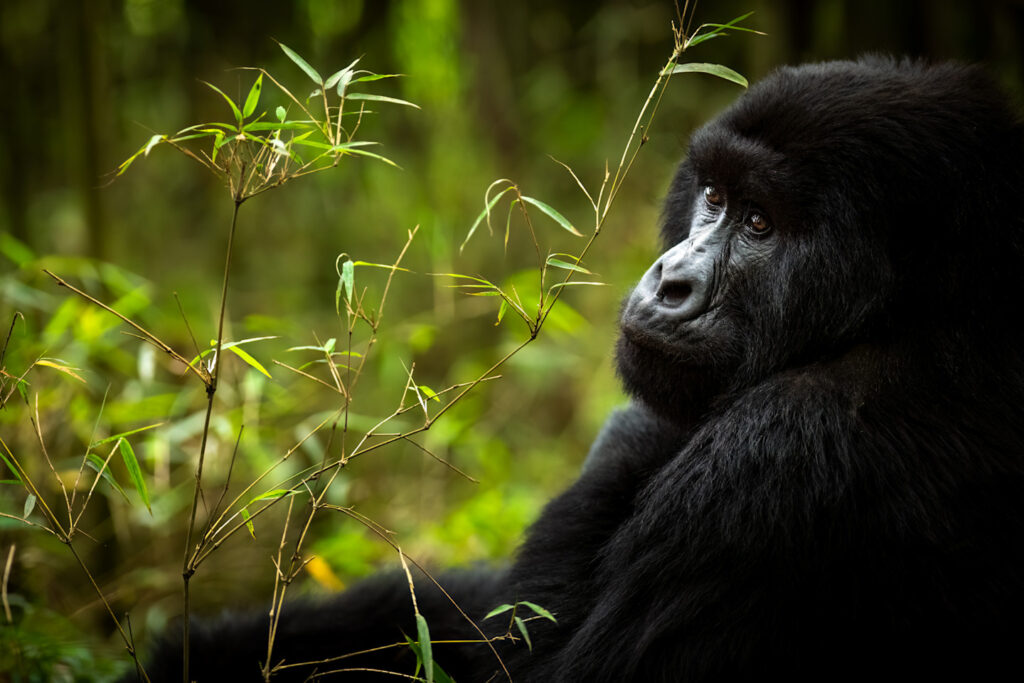
Gorilla Trekking Facebook Group: Connecting with the Gorilla Trekking Community
The popularity of gorilla trekking has created a growing online community of travelers, wildlife enthusiasts, conservation supporters, photographers, and safari experts who share information and experiences through social media platforms. Among the most active online spaces are Facebook groups dedicated to gorilla trekking, where members exchange advice, discuss destinations, share photos, and help future visitors prepare for their adventures. This increasing interest has made the gorilla trekking Facebook group a valuable resource for travelers planning gorilla safaris in Uganda, Rwanda, and other East African destinations.
Planning a gorilla trek often involves many decisions, including selecting a destination, securing permits, choosing accommodation, arranging transportation, and preparing appropriate trekking gear. While official tourism websites provide important information, Facebook communities offer an additional perspective through real-world experiences shared by previous visitors.
For first-time travelers, joining a gorilla trekking Facebook group can provide practical insights that may not always appear in guidebooks or travel brochures. These groups create opportunities to learn directly from people who have recently completed gorilla treks and can share useful recommendations based on personal experience.
What Is a Gorilla Trekking Facebook Group?
A gorilla trekking Facebook group is an online community hosted on Facebook where people interested in gorilla trekking gather to discuss various aspects of the experience. Group members often include past trekkers, future travelers, safari guides, conservation supporters, photographers, travel agents, and tour operators.
The purpose of these groups is to facilitate discussions about gorilla trekking destinations, permits, accommodations, transportation, conservation efforts, trekking conditions, and wildlife encounters. Members frequently post questions and receive responses from individuals who have firsthand knowledge of gorilla trekking.
Some groups focus specifically on mountain gorillas in Uganda and Rwanda, while others cover broader safari experiences throughout East Africa. The diversity of perspectives within these communities can provide valuable information for travelers planning their journeys.
As online travel communities continue to grow, Facebook groups have become increasingly influential sources of travel advice and destination inspiration.
Benefits of Joining a Gorilla Trekking Facebook Group
One of the main advantages of joining a gorilla trekking Facebook group is access to firsthand experiences from fellow travelers. Members often share detailed trip reports, photographs, packing recommendations, accommodation reviews, and practical travel tips.
Travelers planning their first gorilla trek can benefit from reading about the experiences of people who recently visited the parks. These personal accounts often provide insights into trekking conditions, fitness requirements, weather patterns, and visitor expectations.
Another benefit is the opportunity to ask specific questions. Whether someone wants advice about trekking permits, recommended lodges, camera equipment, or transportation routes, Facebook groups provide direct access to a community of experienced travelers.
The collective knowledge available within these groups can help visitors make more informed decisions and feel better prepared for their safari.
Learning About Gorilla Trekking Destinations
Many travelers join a gorilla trekking Facebook group to learn more about different gorilla trekking destinations. Discussions frequently compare Uganda and Rwanda, helping travelers understand the advantages of each location.
Members often share information about trekking experiences in different sectors, accommodation options near the parks, road conditions, and the overall visitor experience. These discussions can be particularly useful for travelers deciding between multiple destinations.
Because participants come from various backgrounds and travel styles, visitors gain access to a wide range of perspectives. Luxury travelers, budget travelers, photographers, and conservation enthusiasts often contribute unique insights.
This variety of experiences helps future visitors develop realistic expectations and choose destinations that align with their interests and budgets.
Gorilla Permit Discussions
Permit availability is one of the most common topics discussed within a gorilla trekking Facebook group. Since gorilla permits are limited and often sell out months in advance, travelers frequently seek advice regarding booking timelines and permit procedures.
Members may discuss their experiences obtaining permits, share booking recommendations, and explain how permit systems operate. These conversations can help new travelers better understand the planning process.
However, it is important to remember that permit information shared within social media groups should always be verified through official sources or licensed tour operators. Permit regulations and pricing can change over time.
Facebook discussions can be useful for general guidance, but official confirmation remains essential when making travel arrangements.
Sharing Photography and Wildlife Experiences
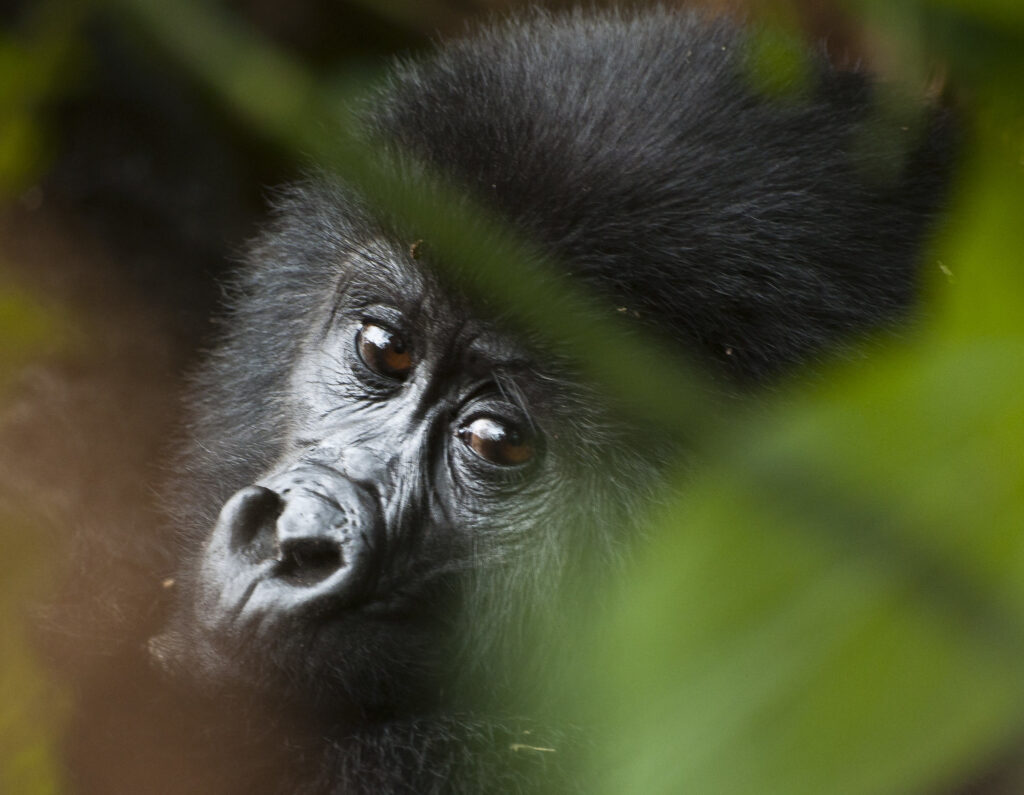
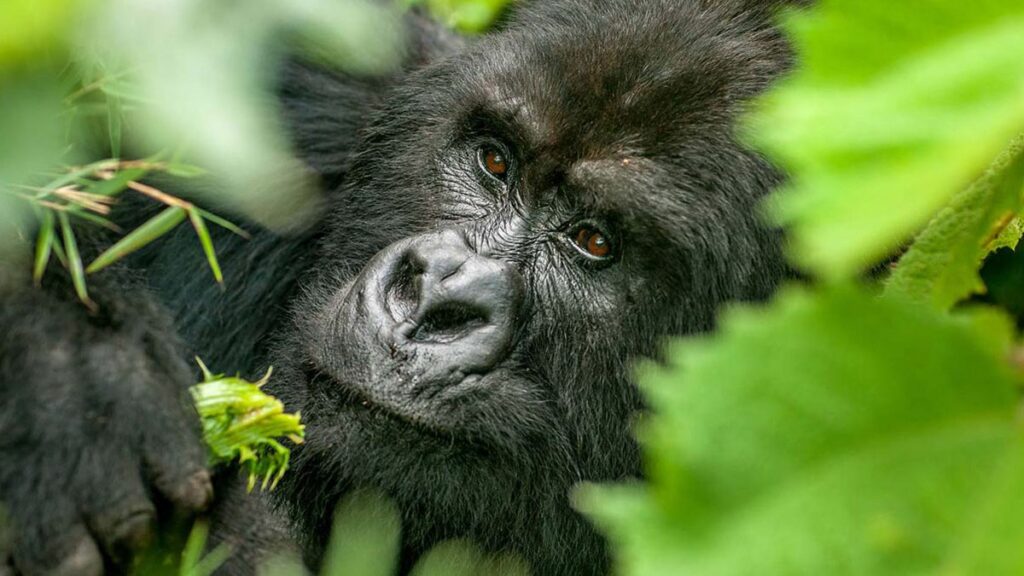
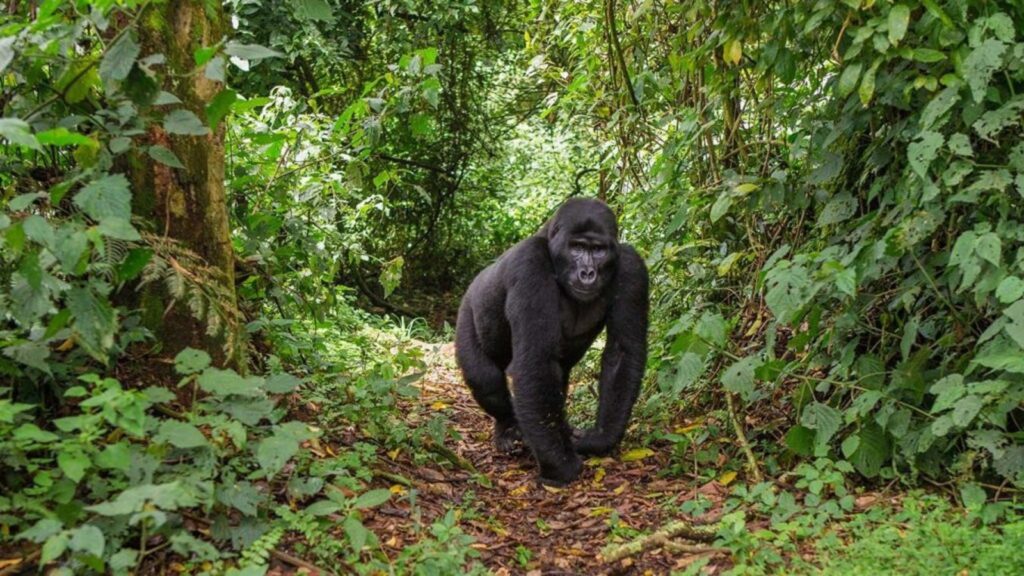
One of the most engaging aspects of a gorilla trekking Facebook group is the opportunity to view photographs and wildlife encounters shared by travelers. Members often post images of mountain gorillas, forest landscapes, birdlife, and safari experiences.
These visual stories inspire future visitors and provide realistic expectations regarding what a gorilla trek may involve. Photography enthusiasts frequently exchange camera recommendations, discuss shooting techniques, and share advice for photographing gorillas responsibly.
The ability to see recent photographs from actual visitors helps travelers understand seasonal conditions, vegetation density, and wildlife viewing opportunities.
Photography discussions contribute significantly to the popularity of many gorilla trekking communities.
Travel Planning and Practical Advice
Travel planning is another major reason people join a gorilla trekking Facebook group. Members often discuss transportation options, flight routes, border crossings, accommodation recommendations, and packing strategies.
Experienced travelers may offer suggestions regarding hiking boots, rain jackets, gloves, backpacks, and other equipment needed for trekking. Practical discussions about health preparations, vaccinations, and travel insurance are also common.
Because these conversations are based on personal experiences, they often provide valuable context that complements information available through official tourism resources.
Travelers can use these insights to refine their itineraries and avoid common planning mistakes.
Conservation Awareness Within Facebook Communities
Many gorilla trekking Facebook group communities place a strong emphasis on conservation education. Discussions frequently highlight the importance of protecting mountain gorillas and supporting sustainable tourism practices.
Members often share conservation news, wildlife research updates, and information about community development projects supported by gorilla tourism revenue. These conversations help raise awareness about the broader impact of responsible tourism.
Learning about conservation initiatives can deepen visitors’ appreciation for the trekking experience and encourage environmentally responsible behavior during their safari.
The connection between tourism and conservation remains a central theme within many gorilla trekking communities.
Choosing Reliable Information Sources
While Facebook groups provide valuable information, travelers should approach advice with a balanced perspective. Not every recommendation shared within a gorilla trekking Facebook group will apply to every traveler or reflect the most current regulations.
Official wildlife authorities, national tourism organizations, and licensed tour operators remain the most reliable sources for permit information, travel requirements, and conservation policies. Facebook discussions should complement rather than replace official guidance.
Travelers should compare information from multiple sources and verify critical details before making financial commitments or finalizing travel plans.
Combining community insights with official information provides the strongest foundation for successful trip planning.
Popular Gorilla Trekking Destinations Discussed Online
Most gorilla trekking Facebook group discussions focus on East Africa’s most famous gorilla trekking destinations. Travelers frequently share experiences from Bwindi Impenetrable National Park, which hosts the largest population of mountain gorillas and offers multiple trekking sectors.
Members also discuss Mgahinga Gorilla National Park, known for its scenic volcanic landscapes and unique trekking opportunities.
In Rwanda, Volcanoes National Park remains one of the most discussed destinations because of its accessibility, conservation significance, and exceptional gorilla trekking experiences.
These parks consistently generate the highest levels of engagement within gorilla trekking communities.
Conclusion
A gorilla trekking Facebook group can be an excellent resource for travelers seeking advice, inspiration, and practical information before embarking on a gorilla safari. These online communities provide access to firsthand experiences, travel recommendations, photography discussions, conservation updates, and valuable planning insights.
While official sources should always be used to verify permits, regulations, and travel requirements, Facebook groups offer a unique opportunity to learn from fellow travelers and become part of a passionate gorilla trekking community.
Whether planning a visit to Bwindi, Mgahinga, or Volcanoes National Park, joining a gorilla trekking Facebook group can help travelers feel more informed, connected, and excited about one of Africa’s most unforgettable wildlife experiences.