
Gorilla Trekking Consumer Protection: A Guide for Travelers in Africa
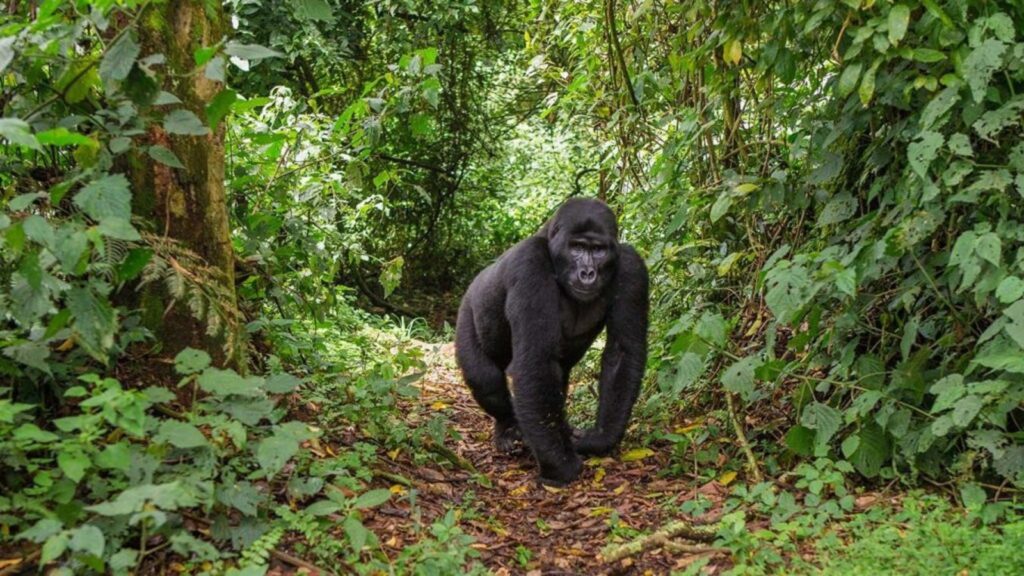
Gorilla trekking is one of Africa’s most remarkable wildlife experiences, attracting visitors from across the globe to Uganda, Rwanda, and the Democratic Republic of Congo. Travelers often invest significant amounts of money in permits, accommodation, transportation, and guided safari services to make their gorilla trekking adventure possible. Because of these financial commitments, understanding gorilla trekking consumer protection is essential for ensuring a safe, transparent, and reliable travel experience.
Consumer protection refers to the rights and safeguards that help travelers receive the services they purchase and protect them from unfair business practices. In the gorilla trekking industry, consumer protection helps promote transparency, accountability, and trust between travelers, tour operators, accommodation providers, and tourism authorities.
Knowing your rights as a traveler can help prevent misunderstandings and provide guidance if problems arise before, during, or after your safari.
What Is Gorilla Trekking Consumer Protection?
Gorilla trekking consumer protection refers to the policies, regulations, and industry standards designed to protect travelers who purchase gorilla trekking permits, safari packages, and related tourism services.
These protections aim to ensure that operators provide accurate information, deliver services as advertised, honor contractual agreements, and address customer concerns professionally. Consumer protection also helps reduce fraud, misleading advertising, hidden charges, and unethical business practices.
In many African tourism destinations, consumer protection operates through a combination of tourism laws, licensing requirements, industry regulations, and voluntary professional standards adopted by tourism businesses.
These measures help create confidence in the gorilla tourism industry while supporting sustainable tourism development.
Why Consumer Protection Matters in Gorilla Trekking
The importance of gorilla trekking consumer protection continues to grow as international demand for gorilla safaris increases. Travelers often make bookings months in advance and may spend thousands of dollars on permits and travel arrangements.
Without proper consumer protections, travelers could face financial losses, misleading information, or poor-quality services. Effective consumer protection encourages operators to maintain high standards and provides mechanisms for resolving disputes when issues occur.
Strong consumer safeguards also contribute to the reputation of gorilla trekking destinations. Visitors are more likely to book trips when they feel confident that reliable systems exist to protect their interests.
Consumer protection benefits both travelers and responsible tourism businesses.
Rights of Gorilla Trekking Travelers
Understanding traveler rights forms an important part of gorilla trekking consumer protection. Visitors generally have the right to receive accurate information about services before making a purchase.
Travelers should receive clear explanations regarding permit costs, accommodation standards, transportation arrangements, cancellation policies, and package inclusions. Businesses should provide transparent pricing and avoid misleading claims about services.
Customers also have the right to ask questions and receive reasonable support before and during their safari. If a problem occurs, travelers should have access to complaint procedures and opportunities to seek resolution.
Knowing these rights helps travelers make informed decisions and avoid unnecessary risks.
Importance of Licensed Tour Operators
Working with licensed operators is one of the most effective ways to benefit from gorilla trekking consumer protection. Licensed companies typically operate under tourism regulations and must meet specific requirements established by national authorities.
These operators often follow industry standards related to customer service, financial accountability, safety, and professional conduct. Licensing also creates a level of oversight that can assist travelers if disputes arise.
Before booking a gorilla safari, travelers should verify that the operator holds appropriate licenses and maintains a legitimate business presence.
Choosing reputable companies significantly reduces the likelihood of encountering problems.
Transparency in Pricing and Services
Transparent pricing plays a critical role in gorilla trekking consumer protection. Travelers should understand exactly what they are paying for before confirming a booking.
Safari quotations should clearly outline permit fees, accommodation costs, transportation expenses, guide services, meals, park fees, and any additional charges. Hidden fees often become a source of disputes and customer dissatisfaction.
Transparent operators explain what is included and excluded from the package while providing written documentation that confirms pricing details.
Clear communication helps establish realistic expectations and prevents misunderstandings later in the booking process.
Protection Against Fraud and Scams
One important objective of gorilla trekking consumer protection is reducing fraud within the tourism industry. As gorilla trekking becomes more popular, some fraudulent businesses attempt to take advantage of unsuspecting travelers.
Scams may involve fake permits, unauthorized operators, misleading websites, or requests for payment without legitimate booking confirmations. Travelers should verify operator credentials and confirm permit arrangements through trusted sources.
Reputable businesses provide detailed documentation, professional communication, and transparent payment procedures. Consumers should remain cautious when encountering unusually low prices or unrealistic promises.
Awareness and verification remain important tools for avoiding fraud.
Consumer Protection and Gorilla Permits
Gorilla permits represent one of the most valuable components of a safari, making them a key area within gorilla trekking consumer protection. Travelers should understand how permits are booked, issued, transferred, and canceled.
Reliable operators provide official confirmation of permit reservations and explain any applicable policies regarding changes or cancellations. Travelers should request documentation showing that permits have been secured through the appropriate wildlife authorities.
Permit transparency helps protect customers from fraud and booking misunderstandings.
Accurate information allows travelers to plan their safari with confidence.
Handling Complaints and Disputes
An effective complaint process forms an important part of gorilla trekking consumer protection. Travelers should know how to report concerns and seek assistance if services do not meet expectations.
Most reputable operators maintain customer support systems that allow complaints to be reviewed and addressed. Travelers should document concerns carefully and communicate them promptly.
If direct communication does not resolve the issue, tourism authorities, industry associations, or consumer protection agencies may provide additional guidance.
Professional complaint handling strengthens trust and promotes accountability within the tourism sector.
The Role of Tourism Authorities
Tourism authorities contribute significantly to gorilla trekking consumer protection by establishing standards and overseeing licensed tourism businesses. These organizations often develop regulations that promote fair practices and protect visitors.
Authorities may investigate complaints, monitor compliance, and support efforts to improve service quality across the tourism industry. They also help ensure that tourism activities align with conservation objectives and visitor safety requirements.
Their involvement creates additional layers of accountability that benefit both travelers and responsible operators.
Strong regulatory oversight supports long-term industry growth.
Importance of Written Agreements
Written agreements help strengthen gorilla trekking consumer protection by clearly defining the responsibilities of both travelers and service providers.
Booking confirmations, invoices, contracts, and itinerary documents provide important records that can help resolve disputes if they arise. These documents should outline services, payment schedules, cancellation terms, and refund conditions.
Travelers should review all documentation carefully before making payments and retain copies throughout the booking process.
Clear agreements reduce uncertainty and provide a solid foundation for resolving concerns.
Travel Insurance and Consumer Protection
Travel insurance complements gorilla trekking consumer protection by providing financial coverage for certain unexpected events. Insurance policies may help protect travelers against trip cancellations, medical emergencies, travel interruptions, and other unforeseen circumstances.
While insurance does not replace consumer rights, it can reduce financial risk when events fall outside the control of the traveler or service provider.
Understanding policy coverage before departure allows travelers to make informed decisions and prepare for unexpected situations.
Insurance adds another layer of protection to the overall travel experience.
Future of Consumer Protection in Gorilla Tourism
As gorilla tourism continues expanding, gorilla trekking consumer protection will remain increasingly important. Digital booking platforms, international travel markets, and growing customer expectations are driving higher standards across the industry.
Tourism businesses are investing in improved transparency, customer service, secure payment systems, and dispute resolution procedures. These improvements help build trust while supporting sustainable tourism growth.
Future consumer protection efforts will likely focus on greater transparency, stronger digital security, and enhanced traveler education.
These developments will benefit both visitors and conservation-focused tourism businesses.
Conclusion
Gorilla trekking consumer protection plays a vital role in ensuring safe, transparent, and reliable wildlife travel experiences across Africa. By protecting traveler rights, promoting ethical business practices, and supporting effective dispute resolution, consumer protection strengthens confidence in the gorilla tourism industry.
Travelers who understand their rights, work with licensed operators, verify permit arrangements, and maintain proper documentation place themselves in a stronger position to enjoy a successful safari. At the same time, responsible operators benefit from increased trust and stronger customer relationships.
Consumer protection supports a tourism environment where travelers, businesses, local communities, and conservation efforts can all thrive together.