
Gorilla Trekking Complaint Resolution: A Complete Guide for Travelers
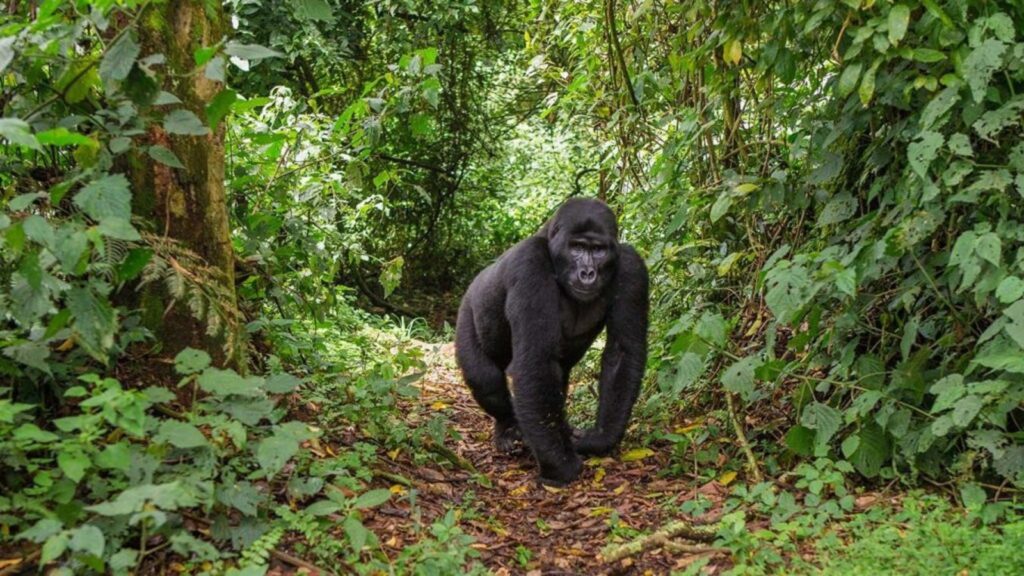
Gorilla trekking is one of Africa’s most memorable wildlife experiences, attracting thousands of visitors to Uganda, Rwanda, and the Democratic Republic of Congo every year. Most travelers enjoy well-organized safaris and unforgettable encounters with mountain gorillas. However, like any travel experience, occasional issues may arise before, during, or after a trip. Understanding the gorilla trekking complaint resolution process helps travelers address concerns effectively and seek appropriate solutions when problems occur.
Complaints may involve tour operator services, permit bookings, accommodation arrangements, transportation delays, billing disputes, or customer service issues. In rare cases, travelers may also have concerns related to trekking logistics or communication problems during safari planning.
Knowing where to report concerns and how to pursue a fair resolution can help protect travelers while encouraging higher standards across the gorilla tourism industry.
What Is Gorilla Trekking Complaint Resolution?
Gorilla trekking complaint resolution refers to the procedures used to investigate, address, and resolve concerns raised by travelers regarding gorilla trekking services. The process may involve tour operators, tourism authorities, conservation agencies, accommodation providers, or other businesses connected to the safari experience.
The primary goal of complaint resolution is to identify the issue, review the facts, communicate with all involved parties, and reach a fair outcome. Successful complaint handling improves customer satisfaction and helps maintain confidence in the tourism sector.
Most complaints can be resolved through direct communication with the service provider, especially when concerns are reported promptly and supported by relevant documentation.
A structured resolution process benefits both travelers and tourism businesses.
Common Reasons for Gorilla Trekking Complaints
Several issues can lead travelers to seek gorilla trekking complaint resolution. One of the most common concerns involves communication problems before departure. Travelers may receive delayed responses, unclear information, or misunderstandings regarding permit availability and safari arrangements.
Accommodation-related complaints can occur when facilities differ significantly from advertised descriptions. Transportation delays, vehicle problems, or itinerary changes may also create dissatisfaction.
Some travelers report concerns about billing errors, unexpected charges, or refund disputes. Others may experience customer service challenges when attempting to modify bookings or request assistance.
Although most gorilla trekking experiences proceed smoothly, understanding common complaint areas helps travelers prepare and respond appropriately if problems arise.
Importance of Addressing Complaints Promptly
Prompt action plays a critical role in effective gorilla trekking complaint resolution. The sooner a traveler reports an issue, the easier it becomes to gather information and identify a solution.
Waiting until the safari has ended may make it more difficult to verify facts or resolve misunderstandings. If a problem occurs during the trip, travelers should notify the relevant guide, lodge manager, or tour operator representative as soon as possible.
Many service providers can address concerns immediately when informed. Quick communication often prevents minor issues from becoming larger disputes.
Early reporting also demonstrates good faith and allows all parties to work toward a satisfactory outcome.
First Step: Contact the Tour Operator
For most cases involving gorilla trekking complaint resolution, the first step should be contacting the tour operator directly. Reputable operators typically have customer service procedures designed to handle concerns professionally.
Travelers should clearly explain the issue, provide relevant details, and outline the outcome they hope to achieve. Written communication often works best because it creates a record of the complaint and the operator’s response.
Supporting documents such as booking confirmations, receipts, emails, photographs, or itinerary details can strengthen the complaint and help clarify the situation.
Many issues can be resolved quickly when both parties communicate openly and professionally.
Keeping Records and Documentation
Proper documentation strengthens any gorilla trekking complaint resolution effort. Travelers should keep copies of all correspondence, invoices, payment records, permit confirmations, and travel agreements.
If an issue occurs during the safari, photographs or written notes may help document the situation. Accurate records make it easier to explain the complaint and support any claims made during the resolution process.
Organized documentation also helps prevent misunderstandings and ensures that important details are not overlooked.
A well-documented complaint often receives faster and more effective attention.
Escalating a Complaint When Necessary
If direct communication does not resolve the issue, travelers may need to escalate the gorilla trekking complaint resolution process. The appropriate next step depends on the nature of the complaint and the country where the safari took place.
Travelers may contact tourism associations, licensing authorities, consumer protection agencies, or relevant tourism boards. These organizations may provide guidance, mediation services, or formal complaint procedures.
Escalation should remain professional and fact-based. Emotional language or unsupported accusations can complicate the process and reduce the likelihood of a constructive outcome.
Maintaining clear communication helps preserve credibility throughout the investigation.
Role of Tourism Authorities
Tourism authorities can play an important role in gorilla trekking complaint resolution when concerns involve licensed operators or tourism services.
In Uganda, Rwanda, and other gorilla trekking destinations, tourism agencies often establish standards and regulations that licensed operators must follow. Travelers may seek guidance from these organizations if they believe a company has failed to meet its obligations.
Authorities may review complaints, request information from operators, and encourage resolution between the parties involved. In some cases, they may investigate allegations of misconduct or licensing violations.
These organizations help promote accountability and professional standards within the tourism industry.
Understanding Refund and Compensation Requests
Refund requests frequently arise during gorilla trekking complaint resolution discussions. However, eligibility for refunds depends on the circumstances and the terms of the original booking agreement.
Travelers should carefully review cancellation policies, booking conditions, and refund provisions before making a claim. Some situations may qualify for partial compensation, while others may not.
Unexpected events such as weather conditions, trekking difficulty, or wildlife behavior generally do not qualify as service failures because they are natural aspects of the experience.
A realistic understanding of refund policies helps manage expectations during the complaint process.
Importance of Professional Communication
Professional communication significantly improves the chances of successful gorilla trekking complaint resolution. Travelers should remain respectful, factual, and solution-oriented throughout the process.
Clear explanations supported by evidence allow service providers to understand the issue and evaluate possible remedies. Aggressive or hostile communication can make resolution more difficult and may reduce cooperation from the other party.
Professional communication also demonstrates seriousness and credibility, which can encourage faster responses and more constructive discussions.
Maintaining a calm and organized approach often leads to better outcomes.
Learning From Customer Feedback
Many businesses use gorilla trekking complaint resolution as an opportunity to improve services and strengthen customer satisfaction. Constructive feedback helps operators identify weaknesses and implement changes that enhance future experiences.
Tour companies may revise communication procedures, improve training programs, update marketing materials, or strengthen quality control measures based on customer feedback.
This continuous improvement process benefits future travelers while supporting the long-term growth of responsible tourism.
Complaints handled effectively can become valuable learning opportunities.
Preventing Gorilla Trekking Complaints
Prevention remains the most effective approach to gorilla trekking complaint resolution. Travelers can reduce risks by researching operators carefully, reading reviews, verifying permit arrangements, and understanding booking conditions before making payments.
Asking questions about inclusions, accommodation standards, transportation arrangements, and cancellation policies helps establish clear expectations from the beginning.
Working with reputable and transparent operators significantly lowers the likelihood of major disputes.
Careful planning often prevents misunderstandings and contributes to a smoother travel experience.
Conclusion
Gorilla trekking complaint resolution provides travelers with a structured way to address concerns related to safari services, permit bookings, accommodations, transportation, and customer support. While most gorilla trekking experiences are highly successful, occasional problems can arise and require professional handling.
Prompt communication, proper documentation, and a respectful approach greatly improve the chances of reaching a fair resolution. Travelers who understand the complaint process are better prepared to protect their interests while supporting high standards within the gorilla tourism industry.
Effective complaint resolution benefits everyone involved by promoting transparency, accountability, and continuous improvement across the tourism sector.