Gorilla Permit Black Market Risk: How to Avoid Fraud and Protect Your Gorilla Trekking Safari
Gorilla trekking permits are among the most valuable wildlife tourism permits in Africa. Because the number of permits available each day is strictly limited and demand often exceeds supply, especially during peak travel seasons, some travelers encounter unofficial offers promising guaranteed access, discounted permits, or last-minute availability. These situations have increased interest in understanding the gorilla permit black market risk and how visitors can protect themselves from fraudulent transactions.
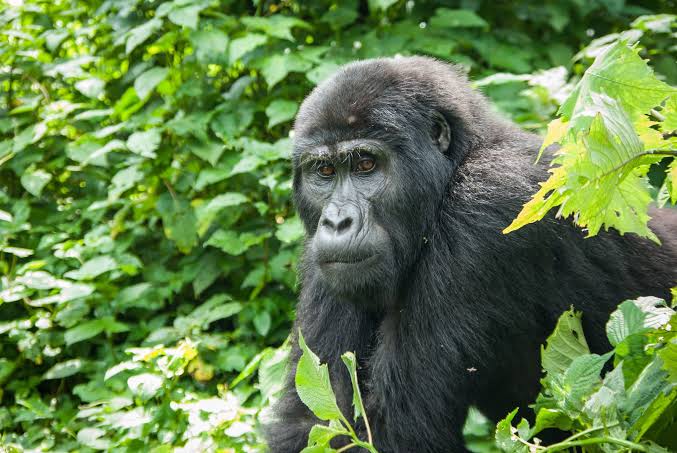
A gorilla permit is an official authorization issued by the relevant wildlife authority that allows a visitor to participate in a gorilla trek on a specific date. Permit revenue supports mountain gorilla conservation, park management, community development projects, and wildlife protection initiatives. For this reason, permit sales are carefully controlled through official systems designed to ensure transparency and accountability.
The black market for tourism permits can emerge whenever demand exceeds supply. In the case of gorilla trekking, unauthorized permit sales, fraudulent bookings, counterfeit documentation, and deceptive marketing practices can expose travelers to financial losses and disrupted travel plans. Understanding these risks is essential for anyone planning a gorilla trekking adventure.
What Is the Gorilla Permit Black Market Risk?
The term “gorilla permit black market risk” refers to the possibility of encountering unauthorized individuals or businesses offering gorilla permits outside official booking channels. These sellers may claim to have access to unavailable permits, discounted permits, or special allocations that are not available through legitimate reservation systems.
In some cases, fraudulent sellers create fake permits or offer permits that have already been allocated to another traveler. Others may collect payments without providing any valid permit at all. Because gorilla permits are highly sought after, scammers sometimes exploit travelers who are eager to secure access during busy periods.
The existence of unofficial permit offers does not mean that a large-scale black market operates in every destination. However, the risk of encountering fraudulent activity is real enough that travelers should remain cautious when evaluating permit offers from unfamiliar sources.
Awareness and verification are the most effective tools for avoiding permit-related scams.
Why Gorilla Permits Attract Fraudulent Activity
The primary reason behind the gorilla permit black market risk is simple: demand often exceeds supply. Wildlife authorities strictly limit the number of visitors who can see mountain gorillas each day in order to protect the animals and preserve their habitat.
Most habituated gorilla families can only be visited by a small number of tourists during a single trekking session. As a result, permits frequently sell out months in advance, particularly during popular travel seasons.
When legitimate permits become difficult to obtain, some travelers may search for alternative sources. Fraudsters take advantage of this urgency by promoting unofficial permits, claiming access to special allocations, or advertising unrealistic discounts.
The combination of limited supply, high demand, and substantial permit costs creates an environment where scams can occur if travelers are not careful.
Common Gorilla Permit Scams
Understanding common scams can help travelers recognize warning signs before making payments. One of the most frequent schemes involves counterfeit permits. Fraudsters may create fake documents that resemble official permits and sell them to unsuspecting travelers.
Another example of gorilla permit black market risk involves duplicate bookings. A scammer may sell the same permit reference number to multiple people or provide reservation details that do not actually exist within official systems.
Some fraudulent operators advertise permits at unusually low prices, claiming they have access to discounted inventories or insider opportunities. Once payment is made, the seller disappears or provides invalid documentation.
There are also cases where fake travel companies create convincing websites designed to collect payments from international visitors. These businesses may appear legitimate until travelers attempt to verify their bookings.
The Financial Consequences of Permit Fraud
The financial impact of permit fraud can be significant. Gorilla permits represent a major investment for many travelers, particularly when combined with flights, accommodation, transportation, and safari activities.
Victims of the gorilla permit black market risk may lose the entire amount paid for a fraudulent permit. In addition, they may face extra expenses related to rebooking accommodation, changing travel plans, or purchasing replacement permits if availability still exists.
The loss is often greater than the permit cost alone because gorilla trekking is typically the central focus of the entire safari. When permit problems arise, the disruption can affect every aspect of the trip.
Preventing fraud is therefore not only about protecting money but also about protecting the overall travel experience.
How Official Permit Systems Reduce Risk
Wildlife authorities have developed structured permit management systems to reduce fraud and maintain transparency. These systems track permit inventories, visitor details, payment records, and trekking allocations.
Official reservation platforms help minimize gorilla permit black market risk by ensuring that permits are distributed through authorized channels. Every valid permit is linked to specific records maintained by the wildlife authority responsible for managing the destination.
Authorized tour operators and travel companies obtain permits through these systems and provide official documentation to their clients. This creates a clear chain of accountability and makes verification possible.
The use of official systems remains the safest way to secure gorilla permits and avoid fraudulent transactions.
Warning Signs to Watch For
Travelers should pay close attention to warning signs that may indicate potential fraud. Unusually low permit prices are often one of the clearest indicators that something may be wrong.
Another sign of gorilla permit black market risk is pressure to make immediate payments without receiving proper documentation or confirmation. Fraudulent sellers frequently attempt to create a sense of urgency to prevent travelers from verifying information.
Poor communication, missing business credentials, vague contact information, and a lack of verifiable reviews should also raise concerns. Legitimate operators typically provide clear details regarding permit availability, payment procedures, cancellation policies, and company registration.
If an offer appears too good to be true, additional verification is strongly recommended.
How to Verify a Gorilla Permit
Verification is one of the most effective defenses against fraud. Travelers should request official documentation and ensure that permit details match the information provided during booking.
A reputable tour operator should be able to explain how permits are obtained and provide confirmation that reservations originate from official wildlife authority systems. Visitors can also verify company credentials before making payments.
Reducing gorilla permit black market risk requires taking time to confirm details rather than rushing into a transaction. A few additional checks can prevent significant financial losses and travel disruptions.
Transparency is one of the strongest indicators that a booking is legitimate.
Why Authorized Tour Operators Are Important
Licensed tour operators play a valuable role in protecting travelers from fraudulent permit offers. These companies work directly with official reservation systems and maintain professional relationships with wildlife authorities.
When booking through a reputable operator, travelers benefit from documented reservation procedures, customer support, and accountability. The operator becomes responsible for ensuring that valid permits are secured and properly documented.
Choosing an established company significantly reduces gorilla permit black market risk and provides peace of mind throughout the planning process. Professional operators also assist with transportation, accommodation, and itinerary coordination, creating a more reliable travel experience.
Researching operator credentials before booking remains an important step.
Conservation Impacts of the Permit Black Market
Unauthorized permit sales can affect more than individual travelers. They also undermine conservation efforts by bypassing the systems that support wildlife protection and tourism management.
Official permit revenue contributes directly to mountain gorilla conservation, community development, anti-poaching activities, and park operations. Activities associated with gorilla permit black market risk can weaken confidence in these systems and create administrative challenges for wildlife authorities.
Supporting official booking channels helps ensure that tourism revenue reaches the conservation programs it is intended to fund. Responsible booking practices therefore benefit both visitors and wildlife.
The integrity of the permit system is an important component of long-term conservation success.
Gorilla Trekking Destinations Where Official Booking Matters
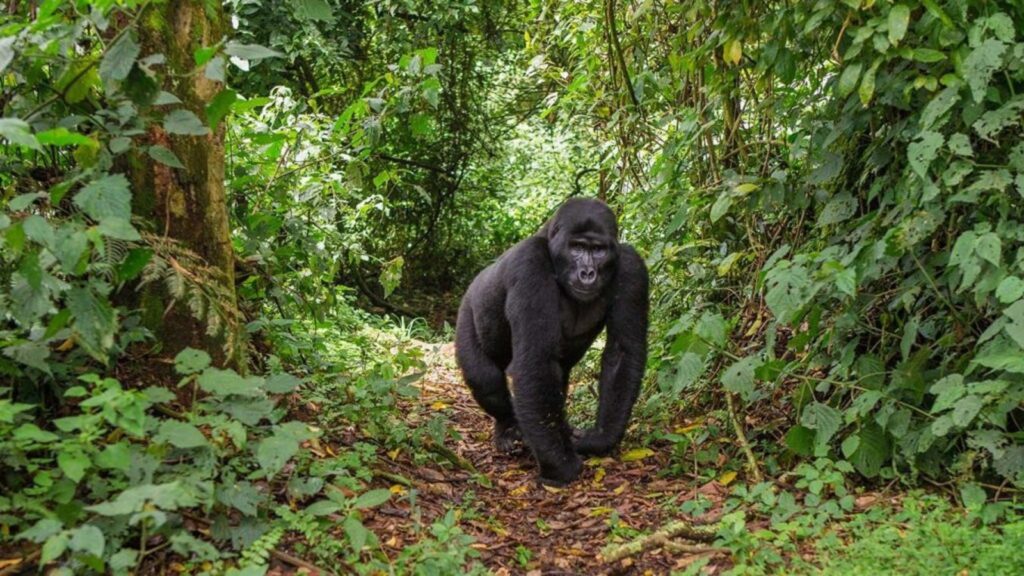
Visitors planning gorilla trekking in Bwindi Impenetrable National Park should always obtain permits through recognized wildlife authority channels or licensed tour operators. This reduces the risk of fraudulent transactions and ensures compliance with official procedures.
Mgahinga Gorilla National Park follows similar permit management practices designed to protect both visitors and conservation objectives.
In Rwanda, Volcanoes National Park operates a highly structured permit allocation system that emphasizes transparency and accountability. Visitors are strongly encouraged to use authorized booking channels when securing permits.
These destinations demonstrate the importance of official reservation systems in protecting both travelers and wildlife.
Conclusion
The gorilla permit black market risk is a real concern for travelers planning gorilla trekking safaris, particularly during periods of high demand when permits are difficult to obtain. Fraudulent permit offers, counterfeit documents, unauthorized sales, and deceptive marketing practices can lead to financial losses and ruined travel plans.
Fortunately, these risks can be significantly reduced by using official booking channels, verifying documentation, and working with reputable tour operators. Wildlife authorities have established transparent permit systems that help protect visitors while supporting conservation and tourism management.
Whether trekking in Bwindi Impenetrable National Park, Mgahinga Gorilla National Park, or Volcanoes National Park, responsible permit booking remains the safest and most reliable path to an unforgettable mountain gorilla encounter.