Anti-Poaching Gorilla Conservation Rangers: Protecting Mountain Gorillas
Anti-poaching gorilla conservation rangers play an essential role in protecting mountain gorillas and the forests where they live. While tourists see gorillas during carefully managed trekking experiences, teams of rangers work behind the scenes to protect these endangered animals from threats such as poaching, illegal activities, habitat destruction, and other dangers.
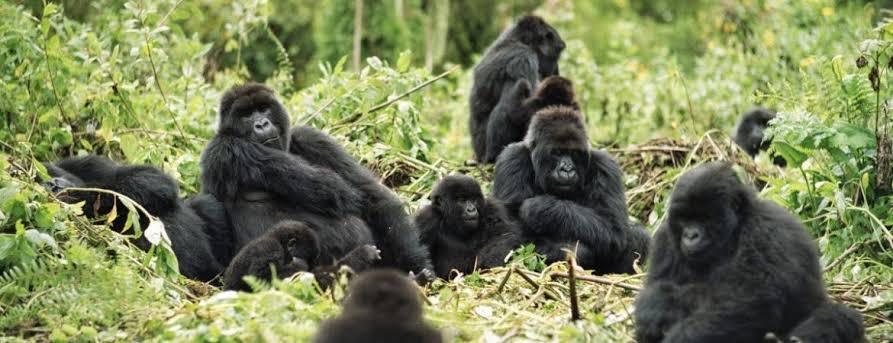
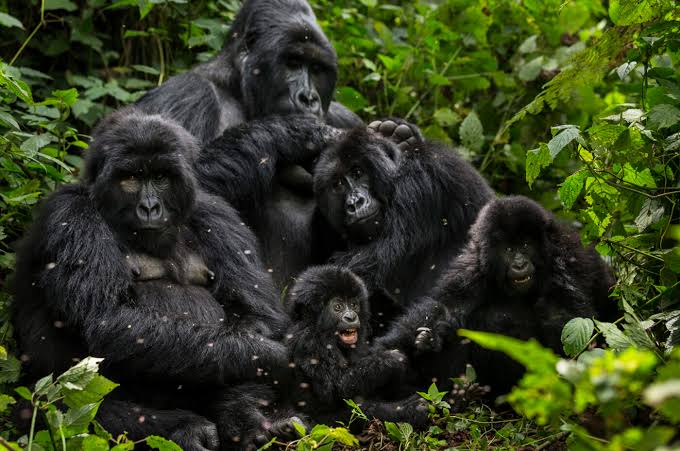
Mountain gorillas live in protected forests shared by Uganda, Rwanda, and the Democratic Republic of Congo. Their survival depends on effective protection of these habitats and continuous monitoring of gorilla populations.
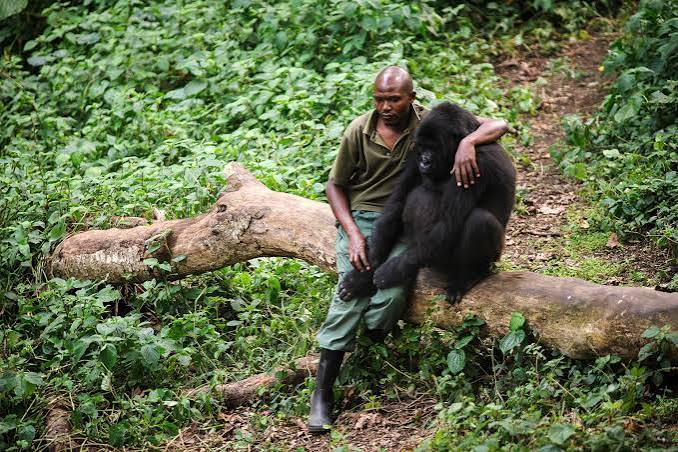
Rangers work in difficult forest conditions to patrol protected areas, identify potential threats, monitor wildlife, support conservation activities, and help maintain the security of gorilla habitats. Their work complements that of gorilla trackers, guides, researchers, veterinarians, and local communities.
For travelers interested in gorilla trekking, understanding the role of anti-poaching gorilla conservation rangers provides a deeper appreciation of the conservation system behind the safari experience.
Who Are Anti-Poaching Gorilla Conservation Rangers?
Anti-poaching gorilla conservation rangers are trained personnel responsible for helping protect wildlife and protected areas from illegal activities.
Their responsibilities can vary between parks and conservation organizations.
Some rangers focus primarily on patrols and law enforcement, while others may participate in wildlife monitoring, habitat protection, community engagement, or other conservation activities.
In mountain gorilla habitats, ranger teams work within broader protected-area management systems.
Their objective is to help create an environment where gorillas and other wildlife can survive with minimal human disturbance.
Why Are Rangers Important for Gorilla Conservation?
Mountain gorillas face several threats beyond direct poaching.
Illegal activities can damage their habitat, introduce disease risks, disturb wildlife, and reduce the security of protected areas.
Rangers provide a continuous human presence within these landscapes.
Their patrols can help identify problems early and deter illegal activities.
They also contribute information about conditions in the forest.
This makes ranger work an important part of the wider conservation strategy.
What Do Anti-Poaching Rangers Do?
The work of anti-poaching gorilla conservation rangers involves much more than searching for poachers.
Depending on their assignment, rangers may patrol forest areas, monitor wildlife, remove illegal traps and snares, report suspicious activities, assist with law enforcement, and support conservation teams.
They may also help maintain trails and access routes used by conservation personnel.
The exact duties depend on the park, organization, security situation, and conservation program.
Forest Patrols
Regular forest patrols are one of the most important ranger activities.
Patrol teams move through designated areas of the protected forest to monitor conditions and identify potential threats.
Patrols can cover difficult terrain, including steep slopes, dense vegetation, and muddy trails.
Rangers may spend long periods away from park headquarters.
Their presence helps deter illegal activities while allowing conservation teams to understand what is happening within the protected area.
Detecting Illegal Activities
Rangers remain alert for signs of unauthorized human activity.
These signs can include abandoned camps, trails, snares, traps, or other evidence of illegal activity.
When rangers identify a potential threat, they follow the procedures established by their conservation or park management authority.
Information from patrols can help conservation managers identify areas requiring additional attention.
Removing Snares and Traps
Wire snares can pose a serious danger to wildlife.
Although some snares may be intended for smaller animals rather than gorillas, gorillas can become injured if they encounter them.
Ranger teams and conservation organizations therefore conduct patrols to identify and remove illegal traps where appropriate.
Removing snares reduces the risk of injury to wildlife.
It also helps maintain a safer environment for gorillas and other forest species.
Protecting Gorilla Habitats
Gorilla conservation depends on protecting the forest ecosystem.
Mountain gorillas rely on forest vegetation for food and shelter.
Rangers contribute to habitat protection by monitoring protected areas and identifying activities that could damage the environment.
Their work supports the broader objective of maintaining healthy forest ecosystems.
Protecting the habitat also benefits other species that share the same environment.
Monitoring Gorilla Areas
Rangers may work alongside trackers and other conservation personnel to monitor areas occupied by gorilla families.
Regular monitoring can provide information about the condition of the habitat and potential threats.
It can also help teams respond to unusual situations.
Gorilla monitoring is therefore not limited to the moments when tourists visit the animals.
Protection continues throughout the year.
Rangers and Gorilla Trackers
Rangers and gorilla trackers perform different but complementary functions.
Trackers specialize in locating and monitoring habituated gorilla families.
Rangers have broader responsibilities related to protected-area security, wildlife protection, and conservation enforcement.
The two teams may communicate when their responsibilities overlap.
Their combined knowledge can strengthen gorilla protection.
Rangers and Gorilla Guides
Gorilla guides primarily focus on visitors.
They explain gorilla behavior, manage trekking groups, and ensure that tourists follow conservation rules.
Rangers may have additional responsibilities related to security and protected-area management.
Visitors may encounter several members of the conservation team during a gorilla trek.
Each person contributes to the overall experience in a different way.
Rangers and Veterinarians
Veterinary teams also play an important role in mountain gorilla conservation.
When a gorilla becomes injured or develops a health problem, specialized veterinary teams may assess the situation and provide appropriate intervention.
Rangers and trackers can help identify unusual behavior or injuries and communicate information to veterinary personnel.
This cooperation supports the health and welfare of gorilla populations.
Rangers and Researchers
Scientific research provides important information about mountain gorilla populations.
Researchers study subjects such as behavior, reproduction, social structure, health, genetics, and population trends.
Ranger observations can complement this research by providing information about conditions in the forest.
Conservation works best when field protection and scientific knowledge operate together.
Community Cooperation
Effective anti-poaching work cannot rely only on patrols.
Communities living near protected areas are important partners in conservation.
People living around gorilla habitats depend on forests and surrounding landscapes for different livelihood needs.
Conservation organizations and park authorities can work with communities through employment, education, tourism benefits, and other initiatives.
When local communities see tangible benefits from conservation, support for protecting wildlife can increase.
Tourism and Ranger Conservation Work
Gorilla tourism provides an important source of revenue for conservation and local communities.
Visitors pay for permits, accommodation, transportation, guiding services, and other tourism products.
A portion of tourism revenue can support protected-area management and conservation activities, depending on the destination’s revenue-sharing system.
Tourism therefore creates an economic connection between visitors and gorilla conservation.
When travelers follow trekking rules and support responsible tourism businesses, they contribute to a broader conservation system.
Rangers in Uganda
Uganda protects mountain gorillas primarily within Bwindi Impenetrable National Park and Mgahinga Gorilla National Park.
Conservation teams operate within these protected areas to monitor wildlife and protect forest habitats.
Uganda’s gorilla conservation system involves park authorities, rangers, trackers, researchers, veterinarians, tourism operators, and surrounding communities.
These groups work together to protect mountain gorillas while supporting carefully managed tourism.
Rangers in Rwanda
Rwanda’s mountain gorillas live in Volcanoes National Park.
The park forms part of the wider Virunga conservation landscape.
Rangers and other conservation personnel help protect the park’s wildlife and forest ecosystem.
Their work supports the protection of gorillas while allowing controlled tourism and research activities to take place.
Rangers in the Democratic Republic of Congo
The Democratic Republic of Congo protects mountain gorillas within Virunga National Park.
The park has a long history of conservation work and faces complex challenges because of the wider security and environmental conditions in the region.
Rangers and conservation teams have an important role in protecting wildlife and supporting park management.
Tourism operations can change according to security and operational circumstances, so travelers should obtain current information before planning a visit.
The Dangers Rangers Face
Ranger work can be physically demanding and sometimes dangerous.
Patrol teams may spend long periods in remote forest environments.
They may encounter difficult terrain, severe weather, illegal activities, or other hazards.
In some protected areas, conservation personnel also work in challenging security environments.
Their work therefore requires training, teamwork, discipline, and commitment.
Technology in Anti-Poaching Conservation
Modern conservation increasingly combines field patrols with technology.
Depending on the protected area and available resources, conservation teams may use radios, GPS equipment, cameras, digital reporting systems, mapping tools, and other technologies.
These tools can improve communication and help managers understand patterns of activity within protected areas.
Technology does not replace rangers.
Instead, it can make their fieldwork more effective.
Why Anti-Poaching Is Not Only About Gorillas
Although gorilla conservation receives significant attention, ranger patrols protect entire ecosystems.
The same forests contain many other species, including forest elephants, buffaloes, antelopes, birds, primates, reptiles, and numerous plant species.
Protecting the habitat therefore creates benefits beyond mountain gorillas.
A healthy ecosystem supports biodiversity and contributes to the ecological stability of the region.
Gorilla Conservation and Disease Prevention
Disease transmission is another important conservation concern.
Mountain gorillas share a large proportion of their genetic characteristics with humans and can be vulnerable to certain human respiratory illnesses.
Tourism regulations therefore include measures designed to reduce unnecessary contact between people and gorillas.
Rangers, guides, trackers, and other personnel help enforce visitor rules.
Travelers who are sick should follow the applicable park guidance rather than attempting to enter the gorilla habitat while unwell.
Rangers and Responsible Tourism
Responsible tourism supports the work of conservation teams.
Visitors can contribute by following park rules, maintaining the required distance from gorillas, avoiding flash photography, carrying their waste out of the forest, and listening to guides.
Travelers can also support local communities by using legitimate local services such as porters and community-based tourism products.
These actions help ensure that tourism provides benefits without creating unnecessary pressure on the environment.
What Can Tourists Do to Support Rangers?
Visitors can support conservation in several practical ways.
Choose legitimate gorilla trekking operators and obtain official permits.
Follow all park regulations.
Respect the instructions of guides, trackers, and rangers.
Avoid buying wildlife products that could encourage illegal trade.
Support responsible tourism businesses and local communities.
Share accurate conservation information with other travelers.
Even simple actions can contribute to a culture of responsible wildlife tourism.
Why Rangers Matter to the Future of Mountain Gorillas
The survival of mountain gorillas depends on continued protection of their habitats.
Rangers provide a critical field presence that helps deter illegal activities and identify threats.
However, long-term conservation requires more than ranger patrols.
It also depends on habitat protection, veterinary care, scientific research, responsible tourism, community participation, and effective conservation policies.
Rangers are one important part of this larger system.
Frequently Asked Questions
What is the role of anti-poaching rangers in gorilla conservation?
They help protect gorilla habitats by conducting patrols, detecting illegal activities, removing dangerous traps where appropriate, monitoring protected areas, and supporting wildlife protection efforts.
Do rangers protect gorillas from poachers?
Yes. Anti-poaching patrols form part of the broader system used to protect gorillas and other wildlife from illegal activities.
Do gorilla trackers also work as rangers?
Not necessarily. Trackers and rangers generally have different responsibilities, although their work can overlap and they may cooperate closely.
Do rangers accompany tourists during gorilla trekking?
The exact trekking team varies by destination and circumstances. Guides and trackers normally manage the visitor experience, while rangers may have additional protection and conservation responsibilities.
Are gorilla rangers armed?
Ranger equipment and procedures vary between parks and security situations. Visitors should follow instructions from park authorities rather than making assumptions about individual ranger equipment.
How do rangers find poaching activity?
They may identify signs such as snares, traps, unauthorized trails, abandoned camps, or other evidence of illegal activity during patrols.
Why are snares dangerous to gorillas?
Gorillas can become injured if they encounter snares intended for other wildlife. Removing illegal traps can reduce this risk.
How does tourism support gorilla conservation?
Tourism generates revenue through permits and related services, and destination-specific systems may direct part of that revenue toward conservation and community development.
Can tourists support gorilla rangers?
Travelers can support the wider conservation system by following park rules, using legitimate tourism services, supporting local communities, and avoiding activities that encourage wildlife exploitation.
Where do anti-poaching gorilla conservation rangers work?
They work in and around protected mountain gorilla habitats, including Bwindi and Mgahinga in Uganda, Volcanoes National Park in Rwanda, and Virunga National Park in the Democratic Republic of Congo.
Conclusion
Anti-poaching gorilla conservation rangers are an essential part of the wider effort to protect mountain gorillas and their forest habitat. Their work includes patrols, monitoring, identifying illegal activities, removing dangerous traps, supporting wildlife protection, and contributing information to conservation teams.
However, gorilla conservation does not depend on rangers alone. Guides, trackers, researchers, veterinarians, tourism operators, governments, conservation organizations, and local communities all play important roles.
Tourism also provides an important connection between visitors and conservation. By paying for legitimate trekking experiences, following park regulations, hiring local services, and respecting the forest, travelers can contribute to a system that supports both people and wildlife.
The next time you trek to see mountain gorillas, remember that the encounter is made possible by much more than the guide leading you through the forest. Behind every carefully managed gorilla experience is a wider conservation network working throughout the year to protect the animals and the habitat they depend on.