First-Timer Africa Travel Guide With Gorillas: Complete Gorilla Trekking Guide
Planning your first trip to Africa can feel exciting and overwhelming at the same time. The continent offers an extraordinary variety of wildlife, cultures, landscapes, and travel experiences, but first-time visitors often have many questions about where to go, what to pack, how to travel between destinations, and how to prepare for wildlife activities. For travelers who dream of seeing mountain gorillas, adding gorilla trekking to a first African safari can create one of the most memorable travel experiences possible.
This first-timer Africa travel guide for gorillas explains the essential information you need before planning a gorilla safari. It covers where gorilla trekking takes place, how permits work, what the trek involves, what to pack, how physically demanding the experience can be, and how to behave around gorillas.
Whether you are traveling from Europe, North America, Asia, Australia, or another part of the world, understanding the basics before you arrive will help you feel more confident and prepared.
Where Can First-Time Travelers See Gorillas in Africa?
Mountain gorilla trekking takes place in a small region of East-Central Africa. Travelers can see mountain gorillas in Uganda and Rwanda, while the Democratic Republic of Congo has also offered gorilla trekking in Virunga National Park when tourism operations are active.
Uganda offers gorilla trekking in Bwindi Impenetrable National Park and Mgahinga Gorilla National Park. Rwanda offers trekking in Volcanoes National Park. These destinations protect some of the world’s remaining mountain gorilla populations.
Each destination offers a different travel experience. Uganda generally provides more opportunities to combine gorilla trekking with a broader safari itinerary, while Rwanda’s compact geography makes it convenient to combine gorilla trekking with a shorter trip based around Kigali.
First-time travelers should research the destination carefully rather than choosing a country based only on permit price. Travel time, accommodation, trekking sector, transportation, itinerary length, and overall budget can significantly affect the experience.
Why Gorilla Trekking Is Ideal for a First African Safari
Gorilla trekking offers something very different from conventional game drives. Instead of watching wildlife from a vehicle, visitors walk through a natural forest environment with trained guides and trackers.
The experience begins with a briefing before trekkers enter the forest. Guides explain safety procedures, conservation rules, and appropriate behavior around gorillas. Trackers then use their knowledge of the forest and gorilla movements to locate the assigned family.
The trek itself can range from relatively short walks to several hours of challenging hiking. Once visitors locate the gorillas, they spend a regulated period observing them before returning through the forest.
For first-time Africa travelers, the experience provides a close introduction to conservation tourism. It combines physical adventure, wildlife observation, forest exploration, and interaction with local guides.
How Gorilla Permits Work
One of the first things a first-time traveler should understand is that gorilla trekking requires a special permit. A permit is not simply a general park entrance ticket. It authorizes a visitor to participate in a regulated gorilla trekking experience.
Every traveler needs an individual permit. The permit system limits the number of visitors who can approach habituated gorilla families each day.
Permit prices vary by destination and can change over time, so travelers should confirm the current price before booking. A tour package may also include accommodation, transportation, meals, park fees, guiding services, and other safari costs in addition to the permit.
Because permits are limited, travelers should arrange them well before their preferred trekking date, especially if they are visiting during a busy travel period.
When Should First-Time Travelers Book?
Early planning makes gorilla trekking much easier. Travelers should ideally begin planning several months before their intended safari, particularly if they have fixed travel dates.
The first step should be choosing the country and preferred trekking area. Once travelers know where they want to trek, they can check permit availability and build the rest of their itinerary around the confirmed trekking date.
Accommodation near the trekking sector can also become limited during busy periods. Booking early provides more choices and can reduce unnecessary travel on the morning of the trek.
First-time travelers should also avoid planning their international flight so close to the trekking date that a delayed flight could cause them to miss the permit date. Allowing extra time before the trek creates a useful safety margin.
How Difficult Is Gorilla Trekking for First-Time Travelers?
Gorilla trekking does not require previous hiking experience, but travelers should understand that it can be physically demanding.
Bwindi’s terrain includes steep slopes, dense vegetation, muddy trails, and uneven ground. Weather conditions can also change quickly. The location of gorilla families varies, so nobody can guarantee that the trek will involve an easy walk.
Travelers should prepare by walking regularly before their trip. Cardiovascular exercise, hill walking, stair climbing, and longer walks can help build endurance.
Visitors should also communicate honestly with their tour operator about mobility limitations or physical concerns. Depending on availability and local arrangements, additional support such as porters or assisted trekking services may be possible.
The goal is not to arrive as a professional athlete. Good preparation simply makes the experience more comfortable and enjoyable.
What Should You Pack for Your First Gorilla Trek?
Packing correctly can make a major difference during the trek. First-time visitors should prioritize practical clothing and equipment rather than bringing excessive luggage into the forest.
Sturdy hiking shoes or boots provide better grip on muddy and uneven trails. Long trousers and long-sleeved shirts protect the skin from vegetation and insects. A waterproof jacket or poncho is useful because rain can occur even when the morning begins with clear skies.
A daypack can hold drinking water, snacks, personal medication, a camera, extra clothing, and other essentials. Travelers should also carry insect protection and sun protection where appropriate.
Gloves can be particularly useful when trekkers need to hold vegetation for balance. A walking stick may also provide additional stability on difficult sections of the trail.
Travelers should keep their equipment secure and avoid bringing unnecessary items that make the trek more difficult.
What Happens on the Morning of a Gorilla Trek?
First-time travelers often wonder what happens from the moment they leave their lodge. The day normally begins early because trekkers need to reach the relevant park headquarters or meeting point before the briefing.
At the headquarters, visitors complete registration and receive information about the day’s trekking arrangements. Groups are organized, and guides explain safety procedures.
The exact trekking experience depends on the assigned gorilla family. Guides and trackers determine the route based on information about the gorillas’ movements.
Once the gorillas are located, visitors follow the guide’s instructions carefully. Travelers should maintain the required distance, avoid sudden movements, keep noise under control, and never attempt to touch or feed the gorillas.
The experience concludes when the designated viewing period ends. Trekkers then return through the forest to the meeting point.
What Is It Like to See Mountain Gorillas for the First Time?
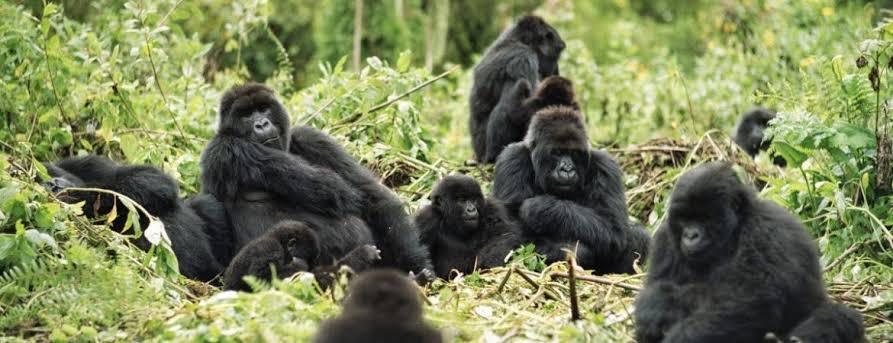
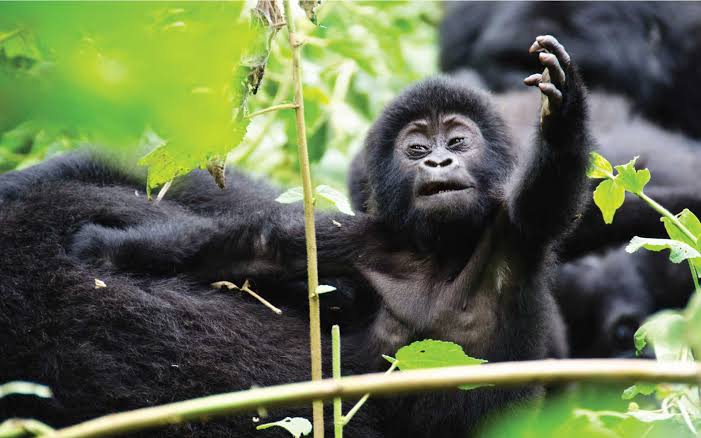
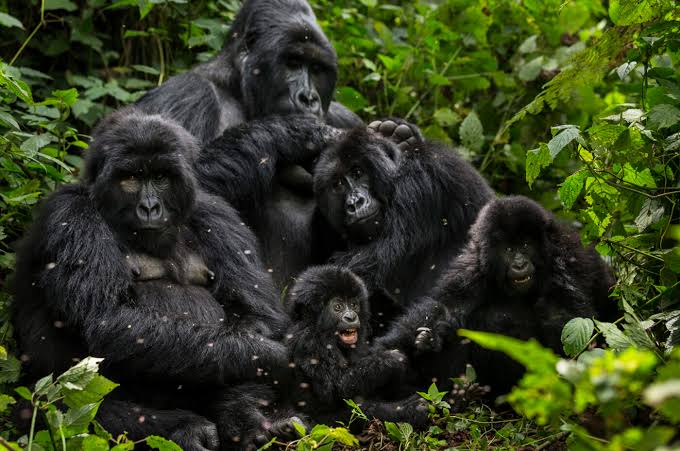
The first sight of a mountain gorilla can be difficult to describe. After hiking through dense vegetation, visitors may suddenly see a silverback resting nearby, a mother caring for an infant, or young gorillas playing around the group.
Gorillas behave naturally during the encounter. They may ignore visitors, move through vegetation, feed, rest, vocalize, groom one another, or occasionally approach closer than expected.
Travelers should never interpret these behaviors as invitations to interact physically. Guides and rangers remain responsible for managing the encounter.
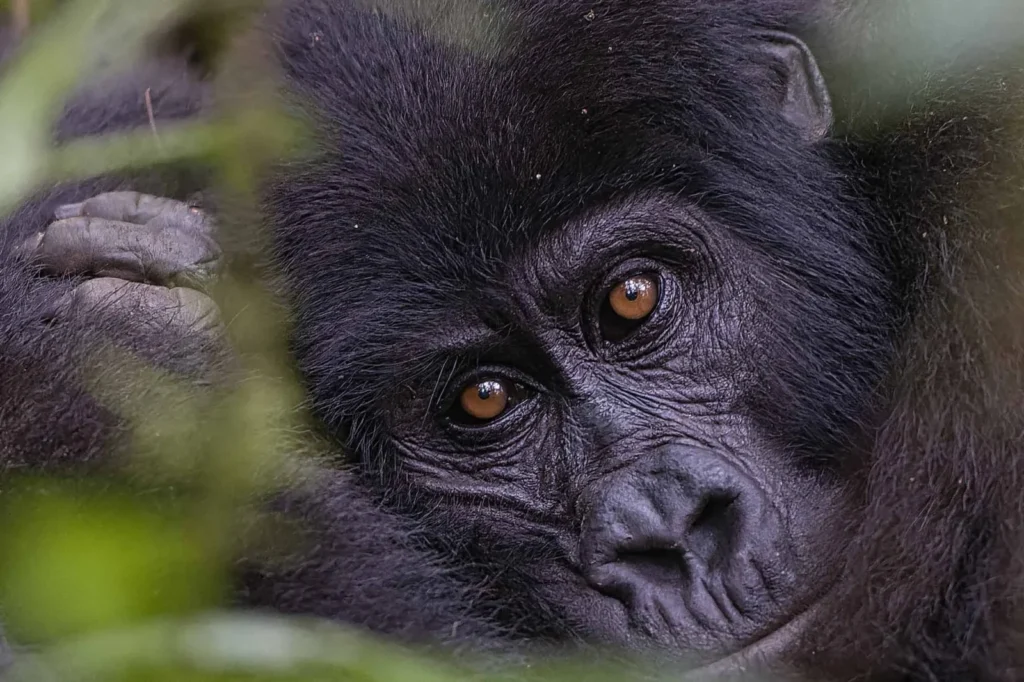
The experience can feel intimate because visitors observe the gorillas from relatively close range. However, the animals remain wild and deserve appropriate space and respect.
For many first-time visitors, the combination of anticipation, forest surroundings, and the gorillas’ behavior creates the highlight of the entire African safari.
Gorilla Trekking Rules Every First-Time Traveler Should Know
Visitors must follow the instructions of their guides and rangers throughout the experience. These rules protect both travelers and gorillas.
Travelers should maintain the required distance from the animals and avoid touching them. They should not feed gorillas or leave food and waste in the forest.
Visitors who are sick should inform their tour operator before trekking because infectious diseases can pose risks to great apes. Travelers should also avoid unnecessary coughing or other behavior that could increase the risk of disease transmission.
Flash photography may be restricted or discouraged, so travelers should follow the instructions given during the briefing. Cameras and phones should also be used responsibly without interfering with the animals.
The purpose of these rules is not to reduce the enjoyment of the experience. They help ensure that gorilla tourism remains sustainable for future generations.
How Much Does a First-Time Gorilla Safari Cost?
The total cost of a gorilla safari depends on the country, permit price, accommodation level, transportation, safari duration, and activities included.
The gorilla permit represents one of the most significant expenses. Travelers must then budget for international flights, airport transfers, accommodation, meals, transportation, guide services, travel insurance, visas where applicable, and other activities.
Uganda can offer different accommodation categories, ranging from budget and mid-range properties to luxury lodges. This allows travelers to build a safari around different budgets.
Travelers should compare complete package costs rather than comparing permit prices alone. A cheaper permit may not necessarily produce a cheaper overall trip if transportation or accommodation costs are significantly higher.
Should First-Time Travelers Use a Tour Operator?
For a first African safari, working with an experienced local tour operator can simplify the planning process considerably.
A reputable operator can help arrange gorilla permits, accommodation, transportation, park activities, guides, airport transfers, and other components of the itinerary.
This can be particularly useful for travelers unfamiliar with local roads, trekking sectors, border crossings, or regional travel arrangements.
Before booking, travelers should verify that the operator is legitimate and provide clear information about what the package includes. They should understand whether the quoted price includes the gorilla permit, transportation, meals, park fees, and accommodation.
First-time travelers should also read recent reviews and ask questions before making significant payments.
Can First-Time Travelers Combine Gorillas With a Wildlife Safari?
Absolutely. Gorilla trekking can become the centerpiece of a broader African wildlife safari.
In Uganda, travelers can combine gorilla trekking with destinations such as Queen Elizabeth National Park, Kibale Forest National Park, Lake Mburo National Park, or Murchison Falls National Park depending on the available time.
This allows visitors to experience different ecosystems and wildlife. A traveler might see chimpanzees in Kibale, tree-climbing lions in the Queen Elizabeth region, savanna wildlife during game drives, and mountain gorillas in Bwindi.
Combining experiences also helps first-time visitors understand the diversity of Uganda’s landscapes.
Travelers with limited time can choose a shorter itinerary focused primarily on gorilla trekking, while those with more time can build a longer safari covering several destinations.
A Suggested First-Time Gorilla Safari Itinerary
A three-day gorilla safari can work for travelers who have limited time. The itinerary can focus primarily on transportation to the gorilla region, one night near the park, the gorilla trek, and return travel.
Travelers with more time can choose a longer itinerary. A seven-day Uganda safari, for example, could combine Kampala, a wildlife destination, Bwindi, gorilla trekking, and additional cultural or nature experiences.
A longer itinerary is often preferable for international visitors because it reduces the pressure of long road transfers and creates more time to experience the country.
Travelers should build the itinerary around the gorilla permit date rather than trying to fit the trek into an already crowded schedule.
Gorilla Trekking Safety for First-Time Africa Travelers
Gorilla trekking is generally conducted under strict safety procedures, but travelers still need to understand that they are entering a wild environment.
The forest contains steep slopes, slippery surfaces, dense vegetation, insects, and changing weather. Visitors should wear appropriate footwear and listen carefully to their guides.
The gorillas themselves are wild animals. Their behavior can change unexpectedly, which is why visitors must follow ranger instructions throughout the encounter.
Travelers should also maintain appropriate health precautions before and during their trip. Travel insurance is strongly recommended, particularly for international visitors.
First-time travelers should avoid taking unnecessary risks for photographs. A photograph is never more important than following the instructions of the guide or ranger.
Gorilla Trekking Etiquette for First-Time Visitors
Good etiquette begins with respecting the animals. Visitors should remain calm, avoid loud noises, and never attempt to attract a gorilla’s attention.
Travelers should also respect other members of their trekking group. Everyone deserves an opportunity to observe and photograph the gorillas without one person dominating the encounter.
Local guides and trackers also deserve respect. They have specialized knowledge of the forest and gorilla families and play an important role in conservation.
Visitors should also respect local communities by asking permission before taking photographs and by supporting community businesses where possible.
Responsible behavior helps create a positive experience for everyone involved.
Frequently Asked Questions About First-Time Gorilla Travel
Is gorilla trekking suitable for first-time Africa travelers?
Yes. First-time travelers can enjoy gorilla trekking as long as they prepare appropriately, understand the physical demands, arrange their permit in advance, and follow the instructions of their guides.
Do I need hiking experience?
No professional hiking experience is required, but reasonable physical fitness helps. The terrain can be steep, muddy, and uneven.
How long does gorilla trekking take?
The duration varies depending on where the gorilla family is located. Some treks are relatively short, while others can take several hours.
Is gorilla trekking safe?
Gorilla trekking operates under conservation and safety guidelines with trained guides, trackers, and rangers. Visitors must follow all instructions and maintain the required distance from the gorillas.
What is the best country for a first gorilla safari?
Uganda and Rwanda are both excellent options. The best choice depends on your budget, itinerary, accommodation preferences, travel time, and preferred overall safari experience.
Should I book my gorilla permit early?
Yes. Permits are limited, so booking early gives travelers a better chance of securing their preferred date and trekking location.
Can I take photographs of the gorillas?
Yes, photography is generally an important part of the experience, but visitors must follow the guide’s instructions and photography rules. Travelers should avoid flash when prohibited and should never move closer to an animal just for a photograph.
Conclusion
This first-timer Africa travel guide for gorillas provides the essential foundation for travelers preparing for their first gorilla safari. Gorilla trekking offers an extraordinary combination of wildlife, adventure, forest exploration, conservation, and cultural discovery.
The most important preparation involves securing a permit early, choosing suitable accommodation, preparing physically, packing appropriate clothing, arranging reliable transportation, and understanding the rules governing encounters with mountain gorillas.
First-time travelers should also remember that the experience does not end when they see the gorillas. The journey includes local guides, trackers, porters, communities, conservation programs, forests, and the wider African landscape.
With realistic expectations and good preparation, even a first-time visitor can enjoy a smooth and unforgettable gorilla trekking experience.