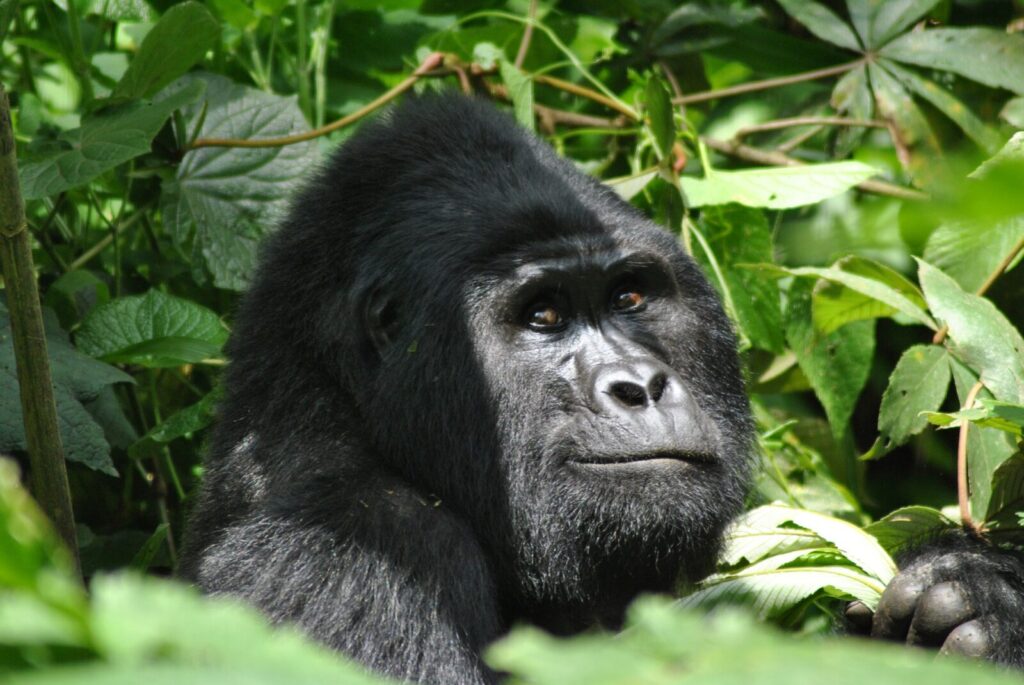
Gorilla Trekking Market Size Value: Understanding the Economic Impact of Gorilla Tourism
Gorilla trekking has become one of Africa’s most valuable wildlife tourism activities and one of the most successful examples of conservation-based tourism in the world. Every year, thousands of travelers visit Uganda, Rwanda, and the Democratic Republic of Congo to experience the rare opportunity of observing endangered mountain gorillas in their natural habitats. Beyond the unforgettable wildlife encounter, gorilla trekking generates substantial economic value through permit sales, accommodation bookings, transportation services, guiding operations, and community tourism initiatives. As interest in wildlife tourism continues to grow, understanding the gorilla trekking market size and value has become increasingly important for tourism stakeholders, conservation organizations, investors, and policymakers.
The gorilla tourism industry supports conservation efforts while contributing significantly to national economies. Revenue generated through gorilla trekking helps fund protected area management, anti-poaching activities, community development projects, and scientific research programs. At the same time, the industry creates employment opportunities and stimulates investment throughout the tourism value chain.
Examining the market size and economic value of gorilla trekking provides valuable insight into the industry’s current position and future growth potential.
Understanding the Gorilla Trekking Market
The gorilla trekking market size value refers to the total economic activity generated by gorilla tourism across Africa. This value extends beyond gorilla permit sales and includes a wide range of tourism-related expenditures.
Visitors who travel for gorilla trekking often purchase accommodation, transportation, meals, guiding services, travel insurance, visas, domestic flights, cultural experiences, and safari extensions. These additional expenditures significantly increase the overall economic contribution of gorilla tourism.
Unlike mass tourism products, gorilla trekking operates within a highly regulated environment. Wildlife authorities strictly limit visitor numbers to protect mountain gorillas and their habitats. This controlled approach creates a premium tourism product that generates high value despite relatively limited visitor volumes.
The result is a tourism sector that produces substantial economic returns while maintaining strong conservation outcomes.
The Role of Gorilla Permits in Market Value
Permit sales form the foundation of the gorilla trekking market size’s value. Every visitor must purchase a gorilla permit before participating in a trek, making permits the primary revenue source for wildlife authorities.
Permit fees support conservation programs, ranger patrols, veterinary services, habitat protection, tourism infrastructure, and community development initiatives. The controlled availability of permits helps maintain exclusivity while ensuring sustainable visitor management.
Because mountain gorilla permits are among the most sought-after wildlife permits in Africa, demand often exceeds supply during peak travel periods. This strong demand contributes significantly to the overall financial value of the sector.
Permit revenue alone represents millions of dollars in annual conservation funding across gorilla trekking destinations.
Uganda’s Contribution to the Gorilla Trekking Market
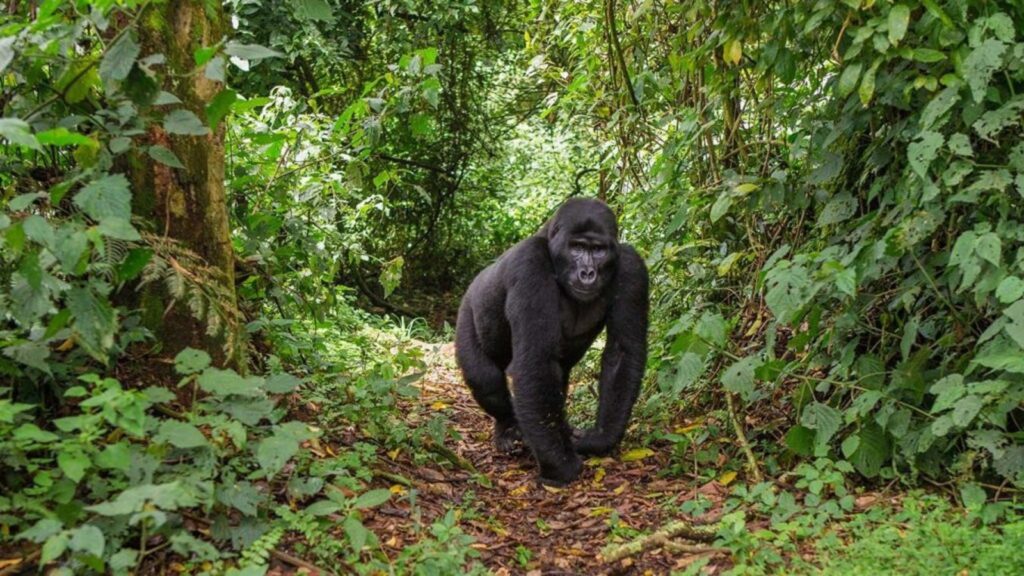
Uganda accounts for a significant share of the gorilla trekking market size value because it hosts more than half of the world’s mountain gorilla population. The country attracts large numbers of international visitors seeking gorilla trekking experiences in Bwindi Impenetrable National Park and Mgahinga Gorilla National Park.
The extensive network of habituated gorilla families allows Uganda to offer more permits than neighboring destinations. This larger capacity contributes directly to tourism revenue generation while supporting conservation efforts.
Many visitors extend their stays by participating in chimpanzee tracking, wildlife safaris, birdwatching tours, and cultural experiences. These additional activities further increase the economic contribution of gorilla tourism within Uganda.
The country’s gorilla tourism sector has become one of the most important components of its broader tourism industry.
Rwanda’s Premium Tourism Model
Rwanda plays an important role in the gorilla trekking market’s size and value through its premium tourism strategy. The country focuses on high-value tourism rather than high visitor volumes, generating substantial revenue through premium permit pricing and luxury travel experiences.
Volcanoes National Park attracts visitors seeking exclusive wildlife encounters supported by excellent infrastructure and world-class hospitality services. Many travelers combine gorilla trekking with luxury accommodation, private transportation, and customized safari experiences.
This premium approach allows Rwanda to maximize economic returns while maintaining strict conservation standards. Although visitor numbers may be lower than those in some destinations, the average spending per traveler remains exceptionally high.
Rwanda’s model demonstrates how conservation and luxury tourism can work together to create substantial economic value.
The Economic Impact on Local Communities
An important component of the gorilla trekking market size’s value involves the benefits generated for local communities. Gorilla tourism creates employment opportunities and supports numerous small businesses located near protected areas.
Local residents work as guides, porters, drivers, hotel staff, cooks, artisans, and conservation personnel. Tourism enterprises purchase goods and services from community suppliers, creating additional economic opportunities throughout the region.
Revenue-sharing programs distribute a portion of tourism income to neighboring communities, helping fund schools, health facilities, water projects, and other development initiatives. These programs strengthen community support for conservation efforts and reduce pressure on protected areas.
The economic benefits generated by gorilla tourism extend far beyond park boundaries.
Infrastructure Investment and Tourism Development
Infrastructure development contributes significantly to the gorilla trekking market size and value. Growing demand for gorilla tourism has encouraged investment in roads, airports, accommodation facilities, communication networks, and visitor services.
Improved infrastructure enhances visitor experiences while supporting broader economic development. Better transportation systems reduce travel times and improve accessibility to gorilla trekking destinations. Modern lodges and tourism facilities attract higher-spending travelers and increase destination competitiveness.
These investments create long-term economic benefits that extend beyond the tourism sector. Local communities often gain access to improved services and infrastructure as a result of tourism-driven development.
The relationship between tourism growth and infrastructure investment continues strengthening the industry’s overall value.
International Demand and Market Expansion
Growing international demand remains one of the strongest drivers of the gorilla trekking market size value. Travelers increasingly seek authentic wildlife experiences that combine adventure, conservation, and sustainability.
Mountain gorillas possess unique appeal because of their intelligence, social behavior, and close genetic relationship to humans. The opportunity to observe them in the wild attracts visitors from North America, Europe, Asia, Australia, and emerging tourism markets around the world.
Social media, wildlife documentaries, conservation campaigns, and travel publications have increased awareness of gorilla trekking destinations. This growing visibility continues expanding the market and attracting new visitor segments.
As international tourism recovers and expands, demand for gorilla trekking is expected to remain strong.
Conservation Value as an Economic Asset
Conservation success plays a central role in the gorilla trekking market’s size and value. Unlike many tourism products, gorilla trekking depends directly on the protection of the wildlife resource that attracts visitors.
Tourism revenue funds conservation programs that protect mountain gorillas and their habitats. Successful conservation outcomes help sustain visitor interest and maintain the long-term viability of the tourism industry.
The recovery of mountain gorilla populations represents one of conservation’s greatest achievements. This success enhances the global reputation of gorilla trekking destinations and strengthens their market position.
Conservation and economic value remain closely interconnected within the gorilla tourism sector.
Future Growth Potential
The future outlook for the gorilla trekking market size and value remains positive. Several trends suggest continued growth in demand for wildlife tourism and conservation travel experiences.
Travelers increasingly prioritize sustainability, authenticity, and meaningful experiences. Gorilla trekking aligns closely with these preferences, making it well positioned to benefit from changing consumer behavior.
Continued investment in infrastructure, conservation programs, tourism services, and destination marketing will likely support further industry expansion. Regional tourism integration may also create opportunities for combined safari experiences that increase visitor spending.
While conservation limits will continue restricting visitor numbers, the industry’s premium nature allows economic value to grow even within controlled capacity levels.
Challenges Affecting Market Value
Despite strong growth prospects, several challenges may influence the gorilla trekking market size and value. Disease risks, climate change, habitat pressures, economic uncertainty, and geopolitical factors can affect tourism performance.
Wildlife authorities must carefully balance tourism growth with conservation objectives. Maintaining high conservation standards remains essential for protecting mountain gorillas and preserving visitor experiences.
Economic fluctuations in key source markets may also influence travel demand. However, the exclusivity and conservation importance of gorilla trekking help strengthen its resilience compared to some other tourism sectors.
Long-term success depends on responsible management and sustainable development practices.
Conclusion
The gorilla trekking market size value extends far beyond permit sales and represents one of Africa’s most successful conservation tourism industries. Gorilla trekking generates substantial economic benefits through tourism spending, infrastructure investment, employment creation, and community development while supporting the protection of endangered mountain gorillas.
Uganda, Rwanda, and the Democratic Republic of Congo continue demonstrating how conservation and tourism can work together to create lasting economic and environmental benefits. Growing international demand, strong conservation outcomes, and ongoing tourism investment support positive long-term prospects for the industry.
As travelers increasingly seek meaningful and sustainable wildlife experiences, the economic value of gorilla trekking is likely to continue growing while contributing to one of the world’s most important conservation success stories.