Gorilla Trekking Disability Policy: Accessibility and Inclusion for Gorilla Trekking in Rwanda
Gorilla trekking is one of Africa’s most extraordinary wildlife experiences, attracting travelers from around the world who wish to encounter mountain gorillas in their natural habitat. While trekking often involves hiking through forested and mountainous terrain, Rwanda has made significant efforts to ensure that visitors with disabilities and mobility challenges can also participate in this remarkable adventure. Understanding the gorilla trekking disability policy helps travelers plan appropriately and access the support available for an inclusive trekking experience.
Accessibility has become an increasingly important aspect of modern tourism. Many destinations now recognize that wildlife experiences should be available to as many people as possible, regardless of physical limitations. Rwanda’s commitment to inclusive tourism demonstrates how conservation and accessibility can work together to provide meaningful travel opportunities.
A disability policy for gorilla trekking outlines the services, accommodations, and support systems available to visitors with physical disabilities, mobility impairments, temporary injuries, or other conditions that may affect their ability to participate in a standard trek. These measures help ensure that more travelers can experience the unique privilege of observing mountain gorillas while maintaining safety and conservation standards.
Understanding the Gorilla Trekking Disability Policy
The gorilla trekking disability policy refers to the guidelines and support mechanisms designed to assist visitors with disabilities during their gorilla trekking experience. The policy aims to provide reasonable accommodations while respecting conservation requirements and the natural conditions of protected areas.
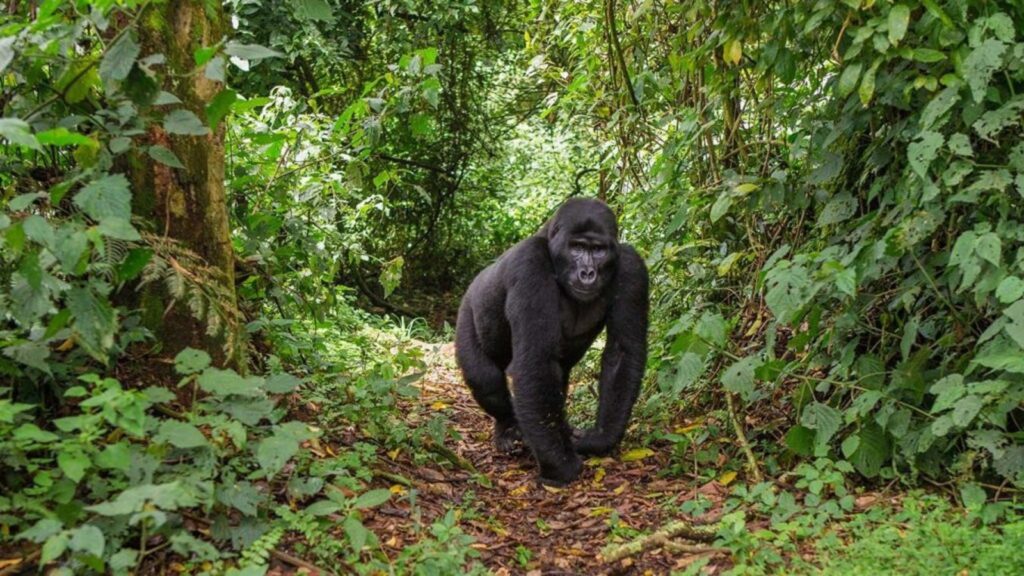
Gorilla trekking takes place in remote forest environments where terrain can vary significantly. Trails may include steep slopes, muddy paths, dense vegetation, and uneven ground. Because of these conditions, wildlife authorities and tourism operators have developed specialized support services that enable visitors with limited mobility to participate safely.
The policy generally focuses on accessibility assistance, transportation support within trekking areas, porter services, and the use of specialized equipment. These accommodations help visitors overcome physical challenges while enjoying a rewarding wildlife encounter.
The goal is not only to improve accessibility but also to ensure that every visitor receives an experience that is safe, comfortable, and respectful of conservation regulations.
Rwanda’s Commitment to Accessible Tourism
Rwanda has established itself as one of Africa’s leading tourism destinations, known for its conservation success, high-quality visitor services, and commitment to sustainable tourism. Accessibility has become an important component of this tourism strategy.
The country’s focus on inclusive tourism reflects a broader commitment to welcoming diverse visitors from around the world. Tourism stakeholders increasingly recognize that physical disabilities should not automatically prevent someone from experiencing wildlife and nature-based attractions.
Within Rwanda’s gorilla tourism sector, efforts have been made to accommodate travelers with mobility limitations through specialized assistance programmes. These services help visitors access gorilla trekking opportunities that might otherwise seem impossible.
By promoting accessibility, Rwanda strengthens its reputation as a destination that values inclusion while maintaining the high standards associated with its tourism industry.
Specialized Sedan Chair Services
One of the most important features of the gorilla trekking disability policy in Rwanda is the availability of sedan chair services. These specially designed chairs allow visitors with limited mobility to be carried by trained porters through the forest to reach mountain gorilla families.
The sedan chair system has transformed accessibility within gorilla tourism. Visitors who use wheelchairs, have difficulty walking long distances, or face mobility-related challenges can still participate in gorilla trekking with professional assistance.
A team of experienced porters carries the visitor safely through the trekking route, navigating challenging terrain while ensuring comfort and stability. The service enables travelers to experience gorilla encounters that would otherwise be difficult or impossible to access independently.
Advance arrangements are usually required because specialized equipment and porter teams must be organized before the trekking date. Many tour operators assist with these arrangements as part of safari planning.
Porter Support and Mobility Assistance
Porters play a crucial role in making gorilla trekking accessible. Their assistance extends beyond carrying luggage and supporting general trekking activities. For visitors with disabilities, porters provide essential mobility support throughout the experience.
Some travelers may not require a full sedan chair service but still benefit from additional assistance while walking on uneven terrain. Porters can offer physical support, help navigate difficult sections of the trail, and carry personal items to reduce physical strain.
Hiring porters also contributes directly to local livelihoods, creating employment opportunities for community members living near protected areas. This arrangement benefits both visitors and local communities while enhancing the overall trekking experience.
The availability of trained porter support demonstrates the practical implementation of accessibility measures within Rwanda’s gorilla tourism sector.
Trek Allocation Considerations for Visitors with Disabilities
Wildlife authorities often consider mobility needs when assigning gorilla trekking groups. While gorilla locations change daily because gorillas move freely through the forest, guides and park officials typically try to allocate visitors with disabilities to gorilla families that are more accessible when conditions permit.
This approach helps reduce trekking difficulty and increases the likelihood of a comfortable experience. However, it is important to understand that mountain gorillas are wild animals, and exact trekking conditions cannot be guaranteed in advance.
Visitors should communicate their accessibility requirements during the booking process. Providing accurate information allows tour operators and park authorities to plan appropriately and identify the most suitable trekking options.
Early communication significantly improves the ability of organizers to arrange accommodations that support a positive trekking experience.
Safety Considerations and Medical Information
Safety remains a top priority within the gorilla trekking disability policy. Visitors with disabilities should discuss any medical conditions, mobility concerns, or accessibility requirements with their tour operator before travel.
Providing this information allows organizers to assess needs and arrange suitable support services. In some cases, travelers may wish to consult healthcare professionals regarding participation in trekking activities, particularly if they have conditions that could be affected by physical exertion or changes in altitude.
Tour operators often work closely with park authorities to ensure that visitors receive appropriate guidance and support throughout the trekking experience. Careful planning helps reduce risks while improving overall comfort and accessibility.
A well-prepared visitor is more likely to enjoy a successful and memorable gorilla trekking adventure.
Booking Gorilla Trekking for Travelers with Disabilities
Advance planning is particularly important for travelers requiring accessibility support. The booking process should begin well before the intended travel date to allow sufficient time for organizing specialized services.
When making reservations, visitors should clearly communicate mobility requirements and discuss available assistance options. Tour operators can then coordinate with park authorities to arrange sedan chairs, porter teams, and any other necessary accommodations.
Early booking also increases flexibility regarding trekking dates, accommodation choices, and transportation arrangements. Comprehensive planning helps ensure that all aspects of the safari are tailored to the visitor’s needs.
Working with experienced safari operators familiar with accessibility services can greatly simplify the planning process and improve the overall experience.
Gorilla Trekking in Volcanoes National Park
Rwanda’s gorilla trekking activities take place within Volcanoes National Park, one of Africa’s most famous conservation areas. The park protects a significant population of mountain gorillas and serves as the center of Rwanda’s gorilla tourism industry.
The park’s management has supported accessibility initiatives that help visitors with disabilities participate in gorilla trekking. Through cooperation with tourism operators, guides, and local communities, Volcanoes National Park has become a leading example of inclusive wildlife tourism.
Its commitment to accessibility demonstrates that conservation experiences can be adapted to accommodate diverse visitor needs while maintaining environmental protection standards.
Many travelers with mobility challenges have successfully completed gorilla treks within the park and describe the experience as life-changing.
The Future of Accessible Gorilla Tourism
The future of accessible tourism continues to evolve as destinations seek to welcome a broader range of visitors. Advances in adaptive equipment, improved accessibility planning, and increased awareness of inclusive tourism principles are likely to strengthen future opportunities for travelers with disabilities.
Rwanda’s ongoing investment in tourism infrastructure and visitor services may further enhance accessibility within the gorilla tourism sector. As demand for inclusive travel experiences grows, additional innovations and support services are likely to emerge.
The continued success of accessibility initiatives demonstrates that wildlife tourism can be both inclusive and sustainable. By removing barriers to participation, destinations can share the benefits of conservation tourism with a wider audience.
This approach strengthens both the tourism industry and the broader goals of conservation and social inclusion.
Conclusion
The gorilla trekking disability policy reflects Rwanda’s commitment to making one of the world’s most extraordinary wildlife experiences accessible to travelers with disabilities and mobility challenges. Through specialized sedan chair services, porter assistance, thoughtful trek allocation, and careful planning, visitors can participate in gorilla trekking despite physical limitations.
At Volcanoes National Park, accessibility measures have opened the door for many travelers to experience the unforgettable sight of mountain gorillas in their natural environment.
As inclusive tourism continues to grow, Rwanda’s approach serves as a positive example of how conservation destinations can provide meaningful opportunities for all visitors while protecting endangered wildlife and supporting local communities.