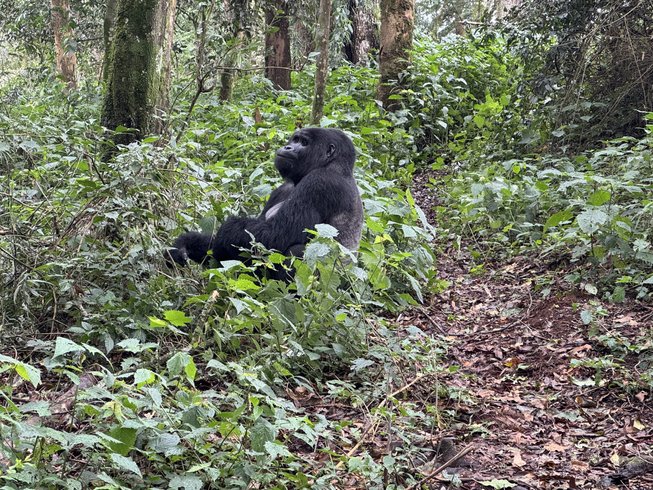
Uganda Gorilla Trekking in April
April sits deep within Uganda’s long rainy season, and it offers a very different gorilla trekking atmosphere compared to the dry months. Forests feel dense, fresh, and alive, with fewer visitors on the trails and a stronger sense of wilderness. While rain becomes more frequent, trekking continues daily, and gorilla encounters remain just as meaningful.
This month suits travelers who value solitude, lush scenery, and flexible travel plans over perfect weather conditions.
Weather Conditions in April
April brings the highest rainfall levels of the year to southwestern Uganda. Rain often falls in the afternoon or overnight, though full-day downpours remain uncommon. Temperatures stay warm, but humidity increases, especially inside the forest.
Trails become muddy and slippery, particularly in steep areas of Bwindi. Streams swell, vegetation thickens, and the forest floor softens. These conditions demand patience and careful footing, but they also transform the landscape into a rich, green environment that feels untouched and dramatic.
Gorilla Trekking Experience in April
Gorilla trekking in April feels raw and immersive. Fresh plant growth encourages gorillas to spread out within their ranges, which can extend trekking time. Trackers still locate families effectively through daily monitoring and trail networks.
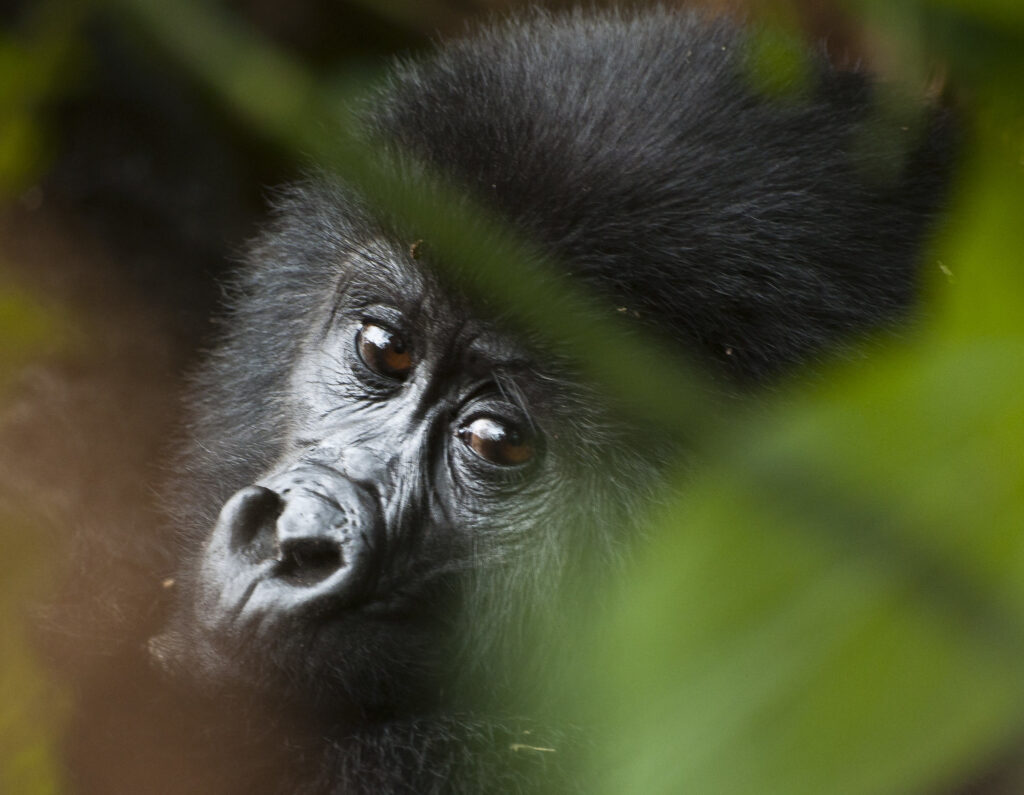
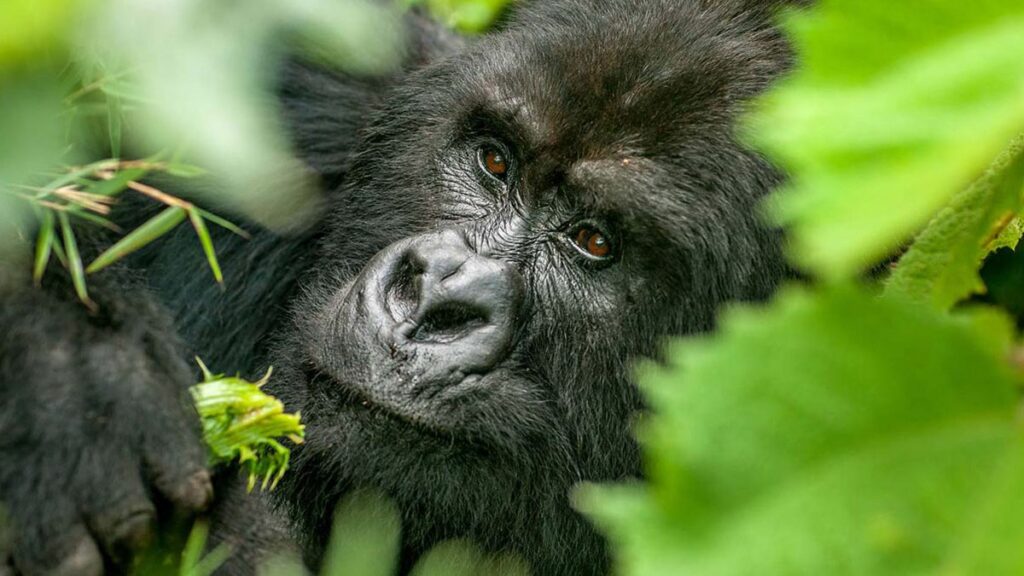
Encounters often feel calmer due to reduced visitor numbers. Gorillas continue feeding, resting, and interacting naturally despite the rain. Photography becomes more atmospheric, with mist, filtered light, and deep forest tones dominating the experience.
Best Places for Gorilla Trekking in April
Uganda’s two gorilla parks remain open and operational throughout April, each offering a distinct trekking environment.
Bwindi Impenetrable Forest National Park
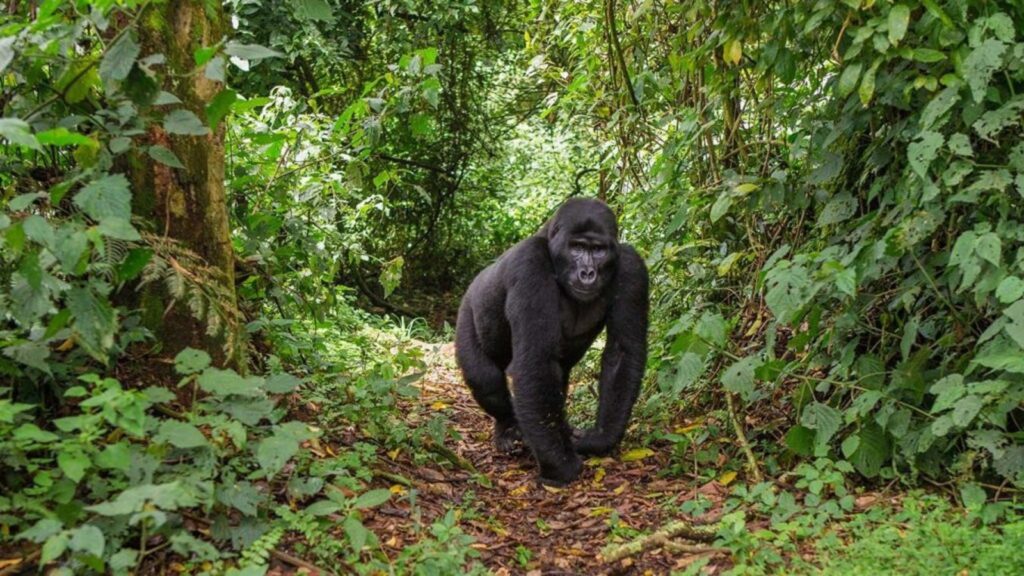
Bwindi becomes especially dense in April. Thick undergrowth and wet trails make treks more physically demanding, particularly in higher sectors. The reward comes through quiet forest encounters, fewer trekking groups, and strong chances of longer, uninterrupted gorilla observation.
Trackers adjust trekking routes daily to ensure safety and accessibility, even during heavier rains.
Mgahinga Gorilla National Park
Mgahinga’s volcanic slopes drain faster than Bwindi’s dense forest floor. April trekking here often feels more manageable due to open terrain and bamboo zones. Mist frequently settles around the Virunga volcanoes, creating dramatic scenery during ascents and descents.
This park suits travelers who prefer clearer terrain while still embracing rainy-season conditions.
Permit Availability and Pricing in April
April falls within Uganda’s low season, which improves permit availability significantly. Travelers enjoy greater flexibility in choosing trekking dates and sectors.
Uganda often offers reduced permit rates during low season months, making April attractive for budget-conscious travelers. Despite lower prices, the trekking experience remains identical in terms of time spent with gorillas and ranger support.
Permit revenue continues to support conservation, ranger patrols, and community projects year-round.
Advantages of Gorilla Trekking in April
April offers some of the quietest trekking conditions of the year. Fewer tourists mean less pressure on gorilla families and a more personal forest experience. Lodges often provide better availability and value during this period.
The forest appears at its most vibrant. Birdlife increases, vegetation thickens, and the ecosystem feels fully active. For travelers who appreciate nature in its raw form, April delivers depth and authenticity.
Challenges to Expect in April
Rain increases physical difficulty on treks. Muddy slopes and wet vegetation slow progress and demand steady movement. Humidity can feel intense during longer hikes, especially in Bwindi.
Good preparation minimizes these challenges. Porters help manage steep sections and reduce fatigue. Proper gear transforms rain from an obstacle into part of the adventure.
What to Pack for April Gorilla Trekking
Visitors should prioritize waterproof hiking boots with strong grip, rain jackets, gaiters, and gloves. Quick-drying clothing performs better than heavy fabrics. Camera rain covers and dry bags protect electronics from sudden showers.
Trekking poles improve balance on slippery slopes. Mental readiness also matters, as rain defines the April experience rather than disrupting it.
Responsible Gorilla Trekking in April
Wet-season trekking increases the importance of discipline. Visitors must maintain distance, avoid sudden movements, and respect ranger instructions fully. Muddy conditions require careful walking to avoid falls or sudden stops near gorillas.
Lower visitor numbers reduce stress on gorilla families, helping maintain natural behavior. Responsible conduct ensures conservation goals remain strong throughout the rainy season.
Plan Your Stay
Planning Uganda gorilla trekking in April requires flexibility and realistic expectations. Travelers should allow extra trekking time and select accommodations that remain accessible during heavy rains. Choosing between Bwindi and Mgahinga depends on fitness level, terrain preference, and travel route.
Working with experienced local operators helps manage permits, transport, and lodge selection. A well-planned April trek delivers a quieter, greener, and deeply immersive gorilla experience while continuing to support mountain gorilla conservation in Uganda.