Gorilla Trekking in the Dry Season vs Rainy Season
Choosing between the dry season and the rainy season for gorilla trekking shapes your entire experience. Both seasons offer unforgettable encounters with mountain gorillas, but trail conditions, forest atmosphere, costs, and crowd levels differ noticeably. Understanding these differences helps you plan a safari that matches your comfort level, expectations, and travel style.
This guide compares gorilla trekking across the main habitats in Bwindi Impenetrable National Park, Mgahinga Gorilla National Park, Volcanoes National Park, and Virunga National Park.
Understanding Gorilla Trekking Seasons
Gorilla regions experience two main dry seasons and two rainy seasons each year. Dry months usually fall between June to September and December to February. Rainy periods occur from March to May and October to November.
Gorilla trekking runs year-round. Rangers track gorilla families daily, regardless of weather. The main difference lies in hiking conditions, visitor numbers, and overall safari comfort.
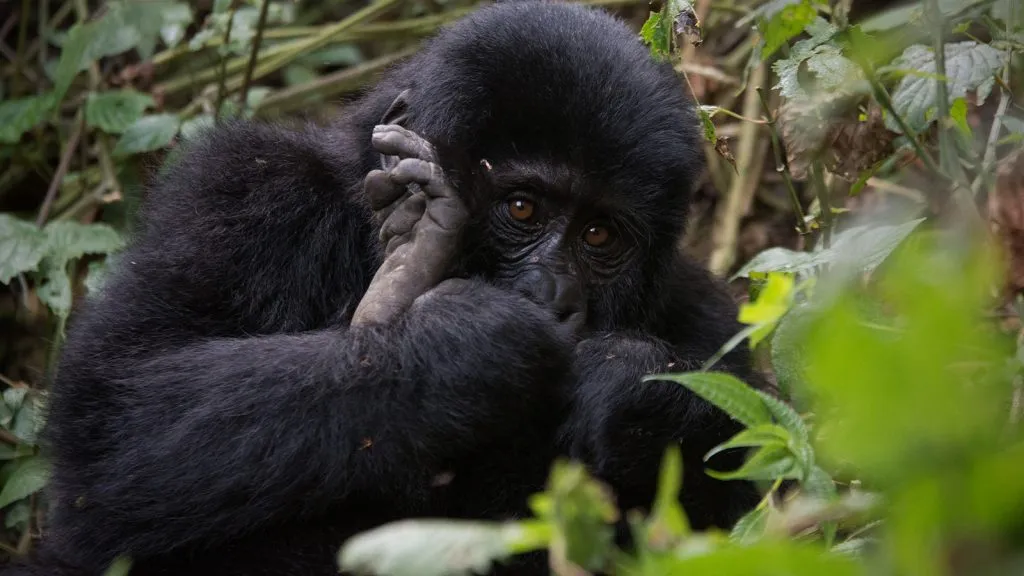
Gorilla Trekking in the Dry Season
Trail Conditions and Trekking Ease
Dry season trekking feels physically easier. Trails stay firmer, slopes offer better grip, and hiking time often shortens. Steep sections still demand effort, but footing remains more predictable.
This season suits first-time trekkers, older travelers, and anyone concerned about challenging terrain.
Weather and Visibility
Dry months bring clearer skies and less humidity. Morning mist lifts quickly, improving visibility inside the forest. Photography becomes easier with better light and fewer rain interruptions.
Temperatures remain cool due to altitude, especially in early mornings.
Crowd Levels and Availability
Dry season attracts the highest number of visitors. Gorilla permits sell out fast, particularly in Rwanda. Popular lodges reach full occupancy months in advance.
This season works best for travelers who plan early and prefer social, lively safari environments.
Costs and Value
High demand pushes prices up. Permit availability tightens, and lodge rates often peak. Despite higher costs, many travelers value the comfort and predictability dry months provide.
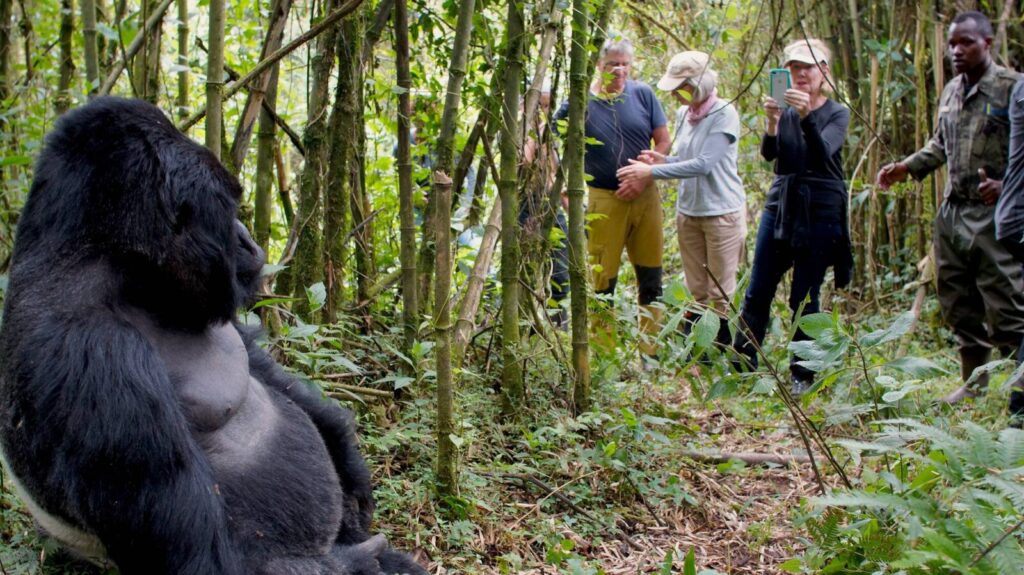
Gorilla Trekking in the Rainy Season
Trail Conditions and Physical Demands
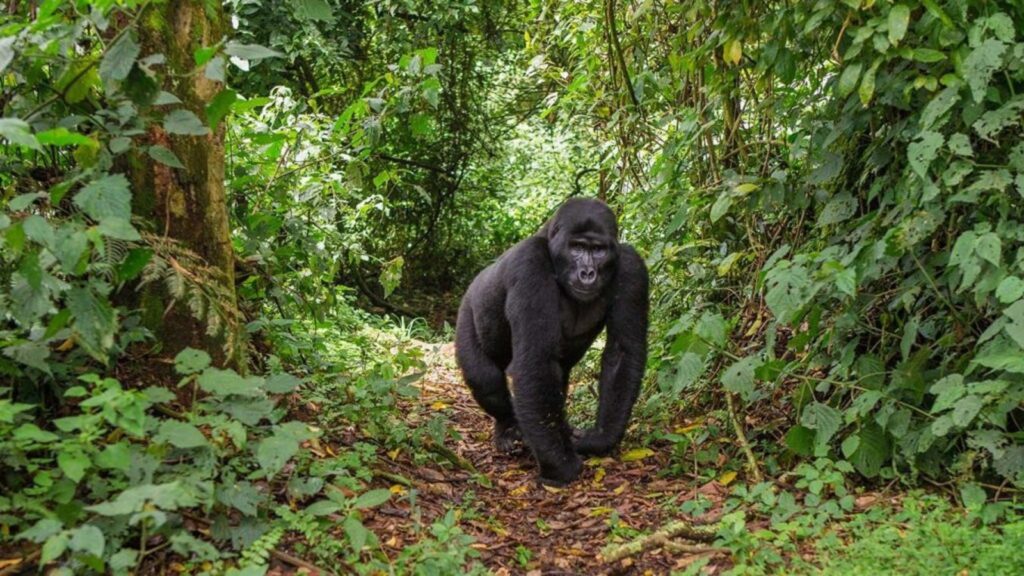
Rainy season trekking feels more adventurous. Trails become muddy and slippery, especially on steep forest slopes. Treks may take longer as guides choose safer routes.
This season suits active travelers who enjoy physical challenges and immersive nature experiences.
Forest Atmosphere and Scenery
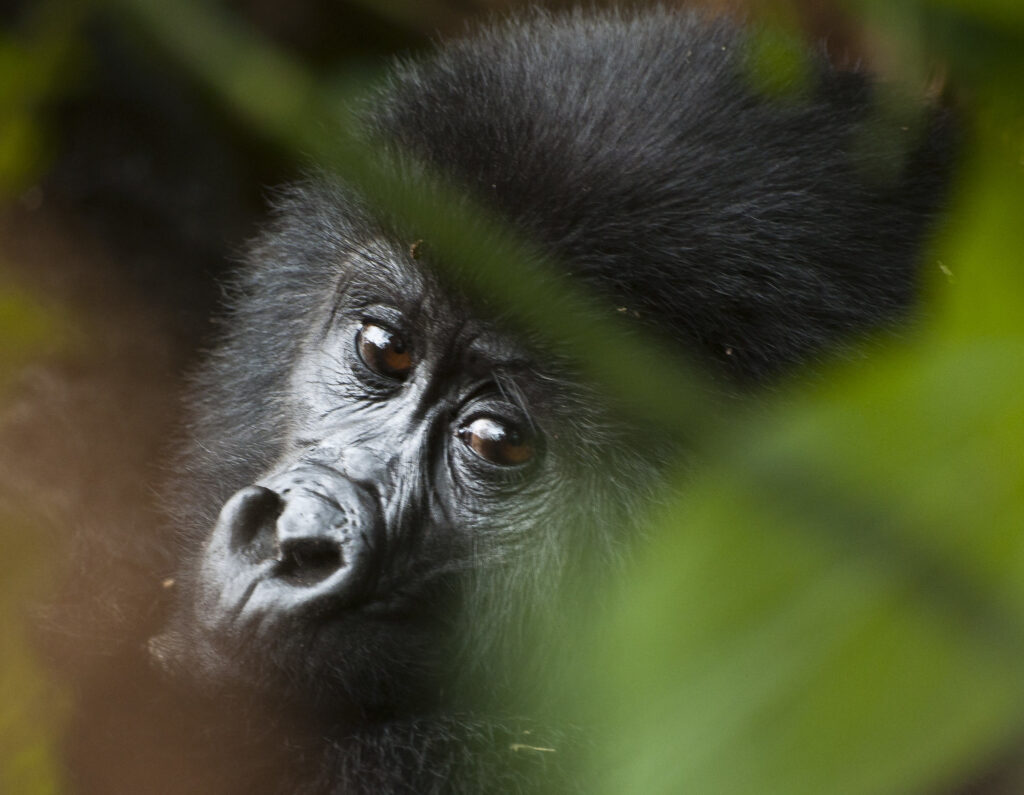
Rain transforms the forest. Vegetation thickens, leaves shine with moisture, and mist wraps the hills in dramatic layers. Wildlife sounds intensify, creating a deeper jungle atmosphere.
Photographers often favor rainy months for moody, cinematic images.
Crowd Levels and Permit Access
Rainy months attract fewer visitors. Permit availability improves, and lodges feel quieter. Treks often feel more personal, with fewer groups on the trails.
This season suits travelers who value solitude and flexibility.
Costs and Travel Benefits
Lower demand brings better value. Many lodges reduce rates, and safari packages become more affordable. Travelers with flexible schedules benefit most during these months.
Gorilla Sightings: Dry vs Rainy Season
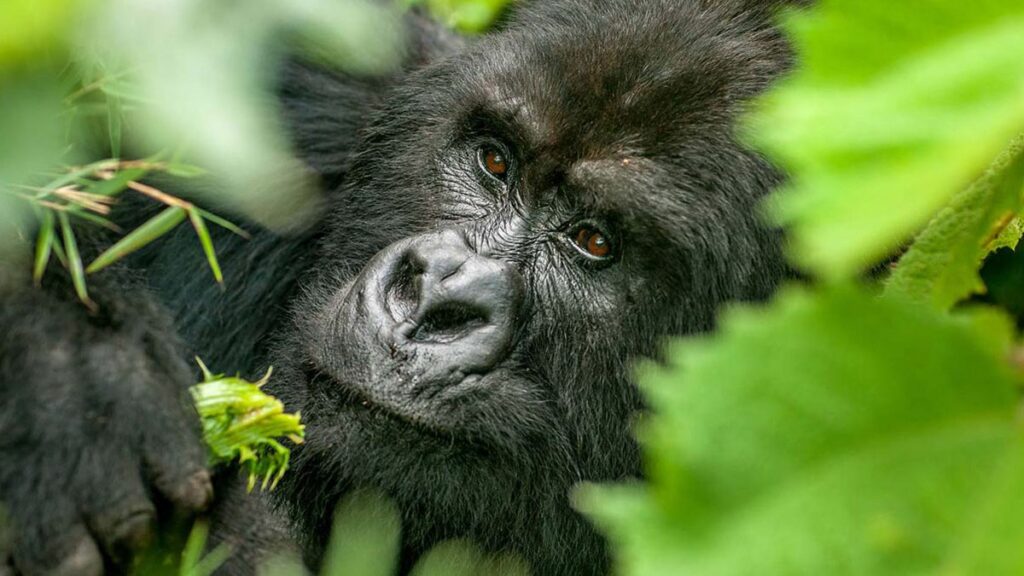
Gorilla encounters remain excellent in both seasons. They do not migrate, and rangers locate them daily. During rainy months, gorillas sometimes feed closer to lower slopes, which can shorten trek times.
The quality of the encounter depends more on tracking logistics and group assignment than on weather.
Which Season Is Right for You?
Dry season trekking suits travelers who want comfort, easier hiking, and predictable conditions. Rainy season trekking fits travelers who seek adventure, fewer crowds, and stronger value.
Neither season offers a “better” gorilla experience. Each delivers a different version of the same powerful wildlife encounter.
Plan Your Safari With Us
Choosing the right season makes all the difference. We help you match trekking conditions to your fitness level, travel dates, and budget. Our team secures permits, recommends the best lodges, and designs smooth itineraries around your preferred season.
Enquire today and let us plan your perfect gorilla trekking safari—rain or shine.