The Best Time to Visit Bwindi for Gorilla Trekking
Bwindi Impenetrable National Park offers strong gorilla sightings throughout the year because the gorillas do not migrate and trackers follow them daily. The difference between seasons comes from the forest conditions, trail stability, and traveler preference. Some visitors prefer firm trails and clear weather. Others enjoy lush green vegetation and quieter trekking days.
Understanding these seasonal patterns helps you choose the perfect time that matches your travel style, fitness level, and comfort.
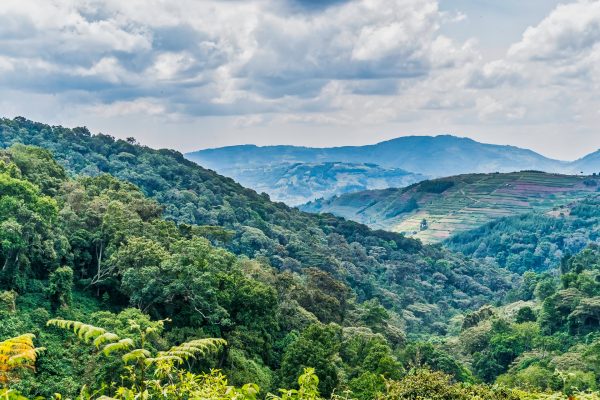
Dry Season: June to September
The long dry season gives the easiest trekking conditions. The trails stay firm, and the vegetation thins just enough to create clear visibility. The air feels fresh, and the mornings begin with cool temperatures that make hiking comfortable.
This period stands as the most popular time to trek gorillas because the weather remains stable, and the forest opens into bright, light-filled scenes. The demand for gorilla permits rises sharply, so travelers secure their dates early.
Short Dry Season: December to February
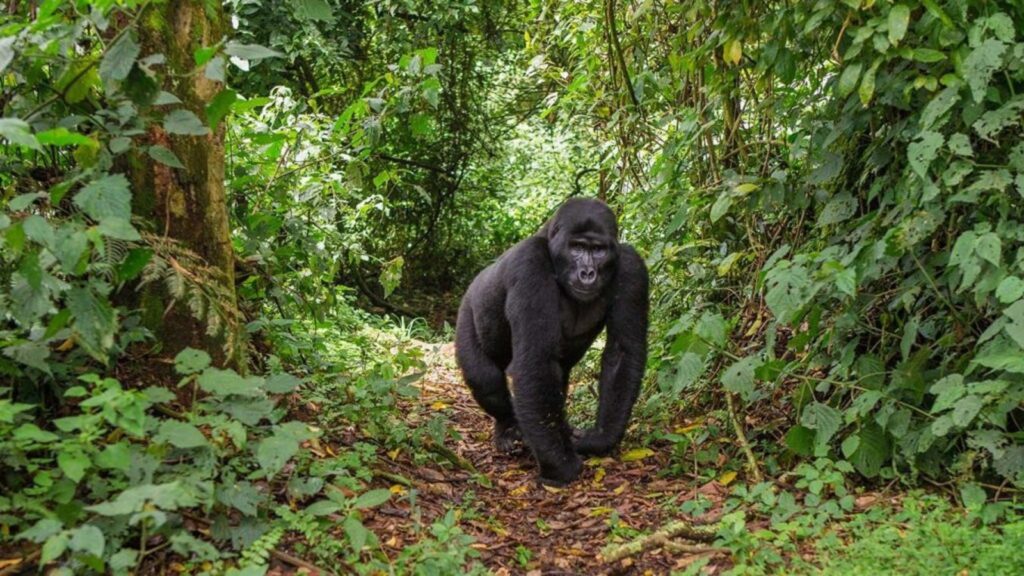
December to February offers excellent trekking for the same reasons as the mid-year dry months. The forest stays open, and the views feel sharp. The temperatures stay comfortable, and the sunlight filters beautifully through the ferns and moss-covered trees.
Photographers love this season because the forest holds a gentle golden tone. The gorillas often feed in open patches, which creates strong photography conditions.
Wet Season: March to May
The rains return in March and bring deep green scenery. The forest becomes richer, the undergrowth thickens, and fresh vegetation covers the slopes. The gorillas move closer to lower feeding zones because food grows in abundance.
Trekkers who visit during this season enjoy quieter forests and more intimate experiences. The trails may feel slippery, but the rangers guide you carefully. The forest atmosphere becomes cool, dramatic, and deeply beautiful. Lodge prices also drop, which helps travelers who want a cost-friendly safari.
Short Wet Season: October to November
The short rains bring quick showers and mist-filled valleys. The forest turns lush and colorful, and the gorillas remain active across the ridges.
This season suits travellers who want solitude and soft forest colors. The atmosphere feels peaceful, and the lower visitor numbers make the trek personal and reflective.

Choosing the Best Season for Your Comfort
Your personal style shapes the ideal time. Dry seasons offer comfort, firm trails, and strong visibility—perfect for first-time trekkers or travelers who prefer predictable weather.
Wet seasons bring lush beauty, dramatic forest moods, and quiet trekking days—perfect for photographers, nature lovers, and travelers who enjoy soft mist and green landscapes.
What Stays Constant All Year
The gorilla encounter remains unforgettable no matter the month. Trackers monitor the families daily. The rangers guide trekkers through safe routes. The gorillas behave naturally in all seasons.
Bwindi’s forest holds magic throughout the year. The difference lies in how you want to experience it—sunlit, crisp, and open, or misty, green, and deeply atmospheric.
Final Thoughts
The best time to visit Bwindi depends on the mood, scenery, and comfort you want. The dry seasons give clear skies, steady trails, and wide forest views. The wet seasons offer lush greenery, quiet paths, and dramatic mist.
Travellers enjoy meaningful gorilla encounters in every month because Bwindi remains beautiful and alive year-round.
Plan Your Gorilla Trek
You can secure your gorilla permit, lodge, and transport through a trusted operator.
For smooth planning and guaranteed trek dates, book with us at https://www.gorilla-permits.com.