How Gorilla Conservation Changed Rwanda’s Economy
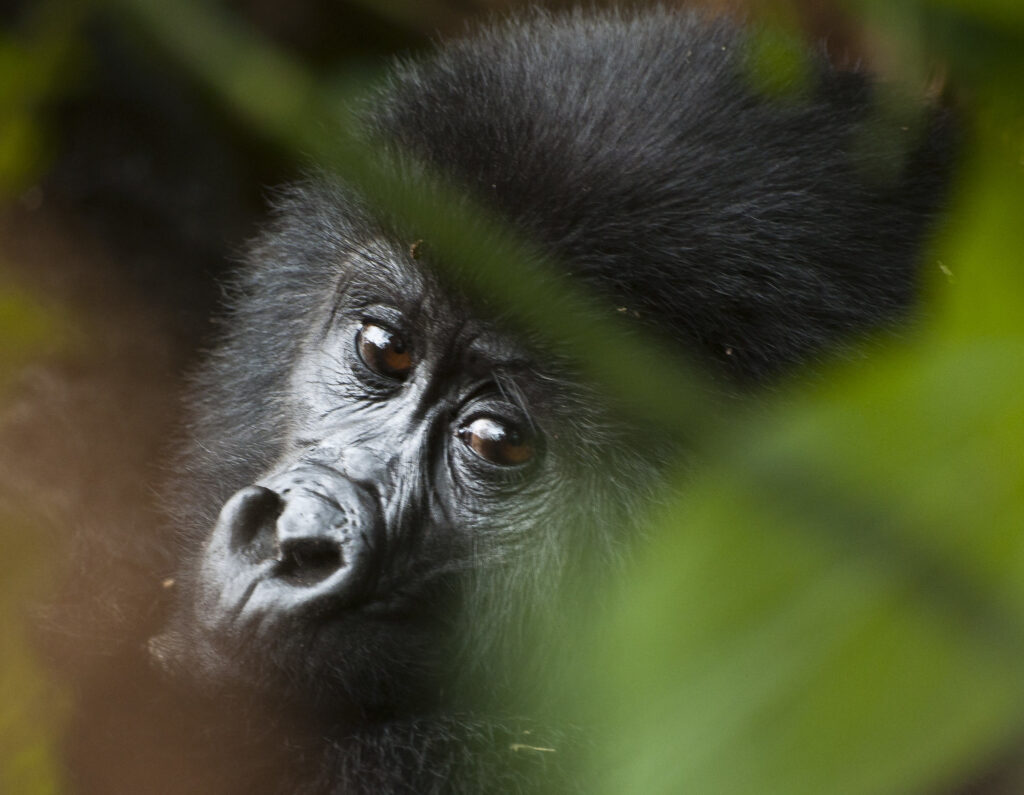
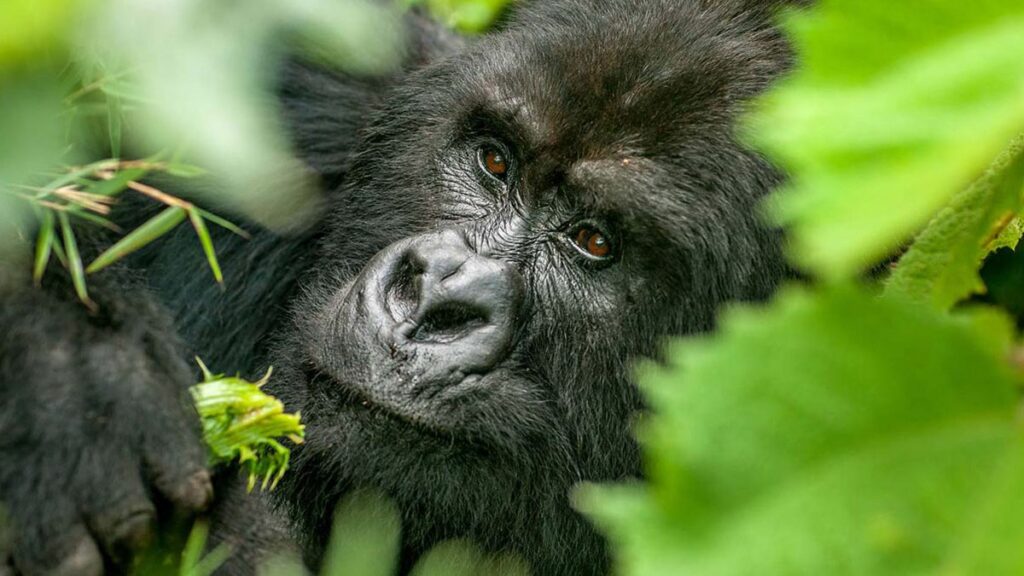
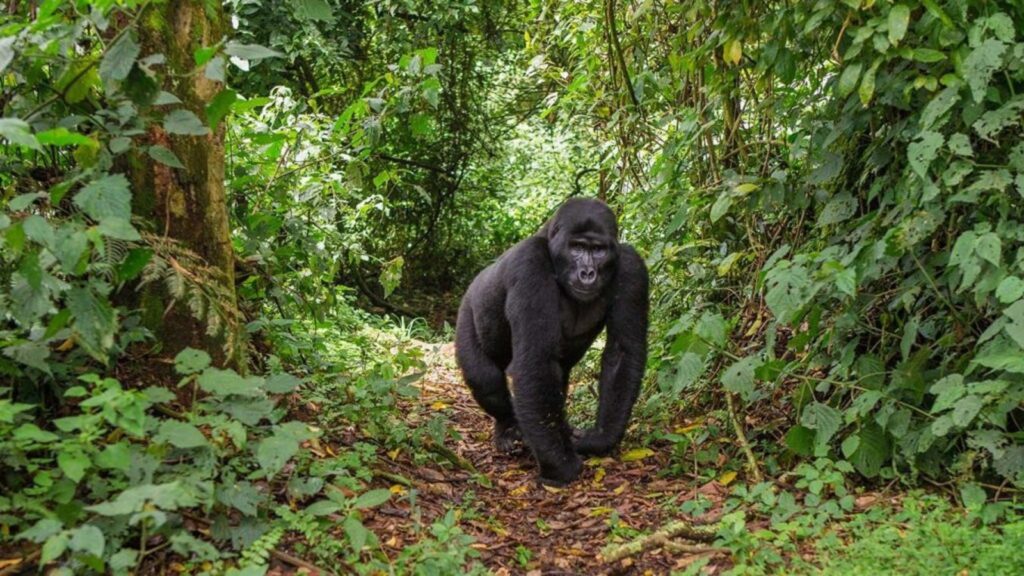
Gorilla conservation reshaped Rwanda’s economy in powerful and lasting ways. The mountain gorillas of the Virunga Mountains once stood on the brink of extinction, yet Rwanda chose a path that protected the species while transforming the nation’s economic future. This approach created a model where wildlife, communities, and the national economy grow together. Today, gorilla tourism stands among Rwanda’s strongest economic engines, and its impact reaches far beyond Volcanoes National Park.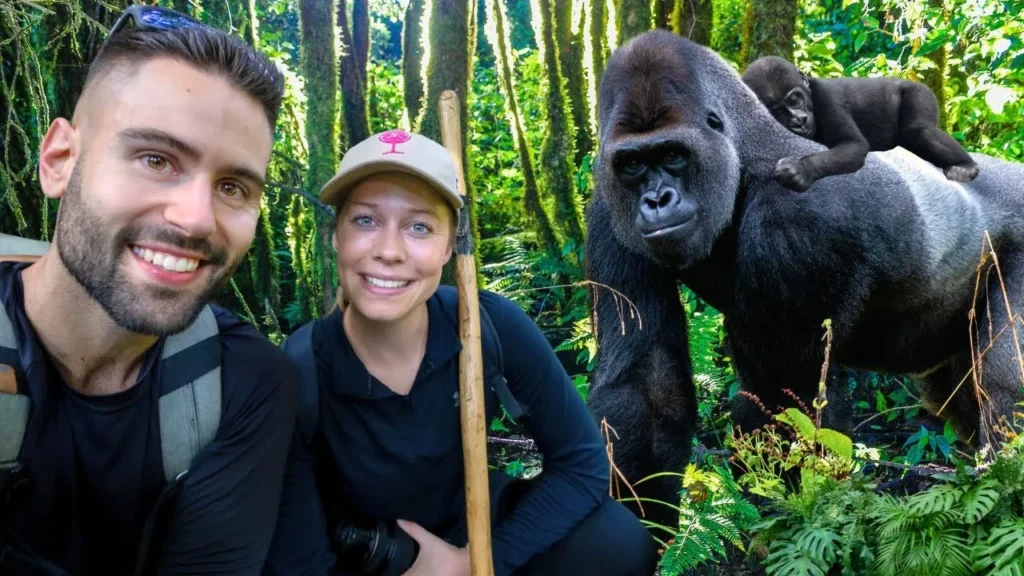
Tourism Growth Built on Conservation Success
Rwanda’s commitment to protecting mountain gorillas turned the country into a premier destination for high-end ecotourism. Travelers from around the world come to meet these rare primates, and their visits generate significant revenue. Gorilla permits form the core of this income, and the funds support park management, ranger operations, scientific research, and infrastructure upgrades. As conservation programs thrived, visitor numbers increased, and Rwanda positioned itself as a safe and stable country for wildlife tourism. This transformation strengthened the national economy and raised Rwanda’s profile on the global stage.
Community Participation Strengthened Local Economies
Gorilla conservation changed village life around Volcanoes National Park. Rwanda introduced a revenue-sharing program that gives communities a percentage of each gorilla permit. These funds support schools, health centers, clean water systems, and roads. This investment improved daily life and reduced poverty in regions once marginalized by limited economic opportunities. When communities benefit directly from conservation, they protect the forest and embrace tourism as a reliable source of income. This partnership between people and wildlife created a stable foundation for long-term economic progress.
Job Creation Reduced Pressure on Natural Resources
Conservation programs and tourism activities opened many job opportunities for local people. Residents now work as rangers, trackers, porters, lodge staff, transport providers, artisans, and community guides. These jobs provide steady income and reduce dependence on activities like charcoal production or hunting. With reliable employment, families enjoy greater financial security, and young people gain hope for better futures. Economic stability strengthens communities and reduces threats to the gorilla habitat. Job creation became one of the clearest signs of how conservation supports both nature and people.
Infrastructure Development Boosted Regional Trade
Gorilla conservation encouraged Rwanda to improve roads, build modern lodges, and strengthen transport networks around Volcanoes National Park. Better roads connect villages to markets and reduce travel time for local businesses. Lodges attract more guests, and their construction brings jobs and stimulates local supply chains. These developments expand economic activity beyond tourism by supporting trade, agriculture, and small businesses. Conservation sparked infrastructure growth that now benefits the entire region.
Rwanda’s Global Image Improved Through Conservation
The success of gorilla conservation shaped Rwanda’s global identity as a clean, safe, stable, and forward-thinking country. This strong reputation boosted investor confidence and attracted international partnerships in technology, finance, conservation, and education. The country moved from a post-conflict economy to a rising tourism and investment hub. Gorilla conservation played a central role in rewriting the story of Rwanda as a peaceful, well-governed, and environmentally responsible nation. This powerful image continues to attract travelers, investors, and conservation supporters from around the world.
A Sustainable Economic Model for the Future
Rwanda built a conservation system that balances tourism income with environmental protection. The strict permit limits ensure responsible visitation and protect the gorillas from stress. The revenue-sharing program strengthens community loyalty to conservation. Research and veterinary programs maintain gorilla health, while education campaigns reduce human–wildlife conflict. This model keeps tourism sustainable and ensures that future generations enjoy both ecological and economic benefits. Rwanda now stands as a global example of how conservation and national development can work together.
Why Gorilla Conservation Became an Economic Game Changer
Gorilla conservation turned Rwanda into a thriving ecotourism destination while uplifting local communities and strengthening the national economy. The financial impact reaches transportation, hospitality, agriculture, small businesses, and global investment. Gorilla conservation created jobs, improved infrastructure, and built a strong national identity rooted in environmental stewardship. When travelers visit Rwanda, they take part in a success story where nature and progress move together.
Plan a Journey That Supports Rwanda’s Conservation Efforts
Your visit contributes to the continued success of this remarkable conservation model. When you choose a responsible gorilla trek, you support communities, protect habitats, and strengthen Rwanda’s economy. Our team helps you secure permits, plan routes, and enjoy a meaningful experience in Volcanoes National Park.
Inquire and book your Rwanda gorilla trekking adventure at https://www.gorilla-permits.com/.