How Tourism Helps Protect Rwanda’s Gorillas
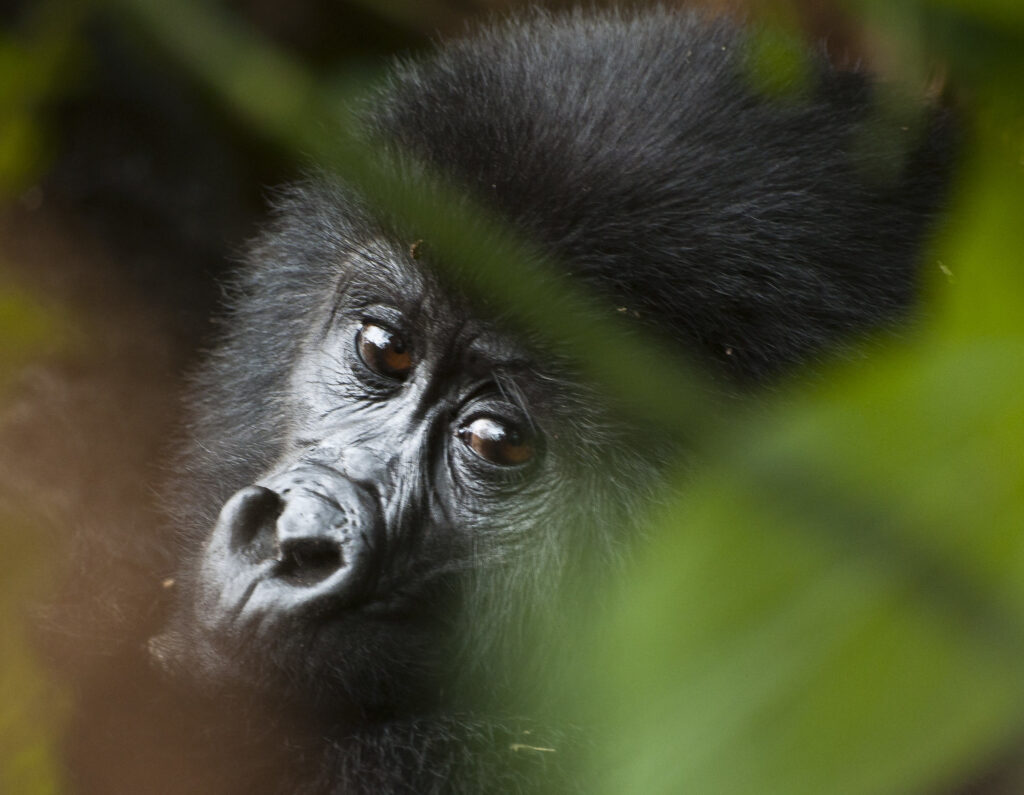
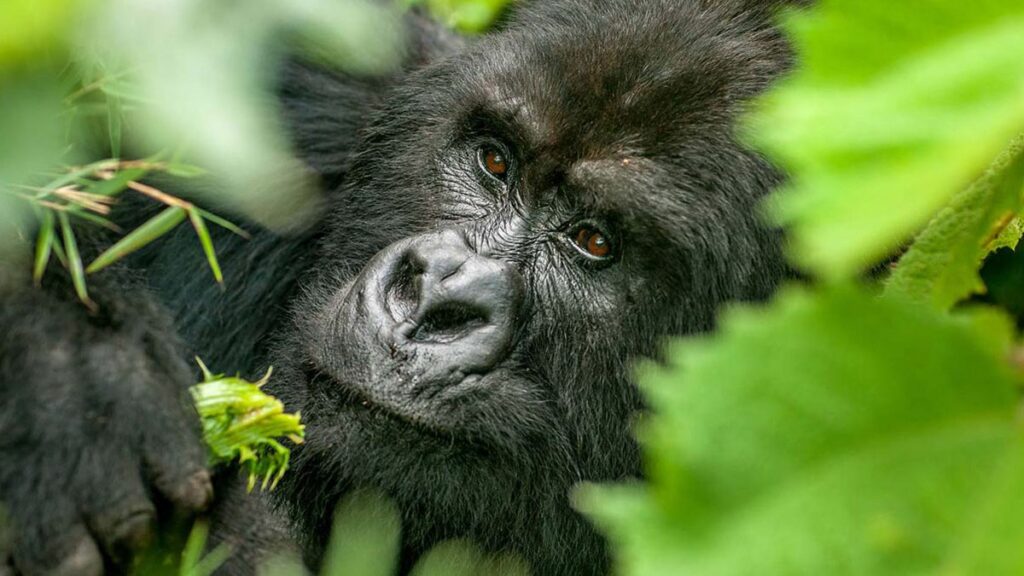
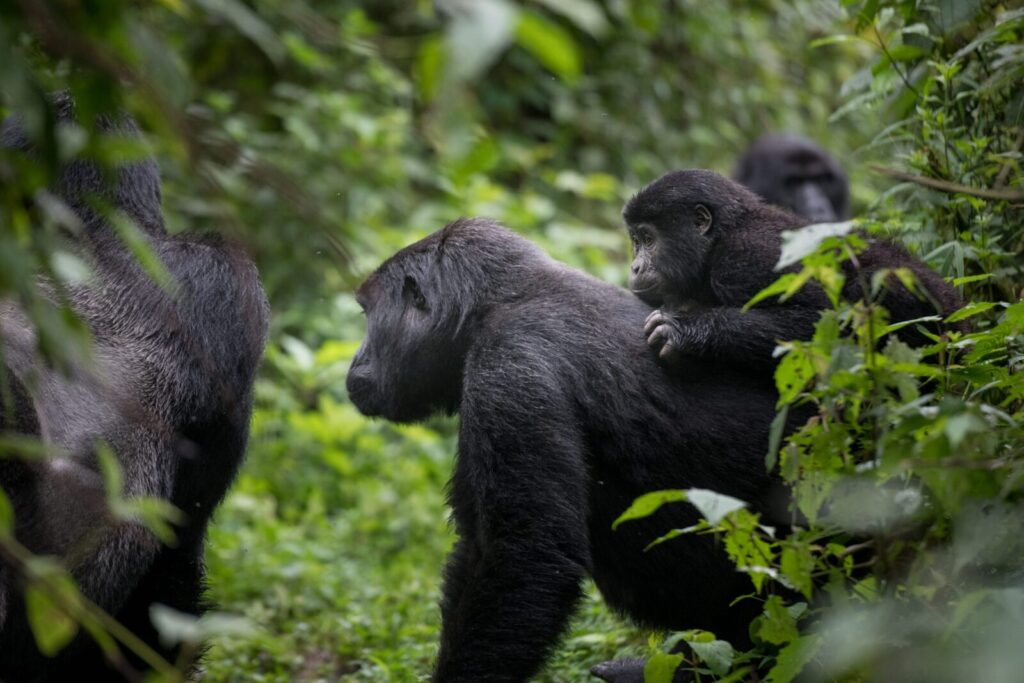
Rwanda gorilla conservation. Tourism plays a powerful role in Rwanda’s conservation success story. Mountain gorillas once stood on the edge of extinction, but Rwanda built a model where responsible tourism fuels their protection. Every visitor who enters Volcanoes National Park becomes part of a conservation system that strengthens ranger operations, empowers communities, and supports long-term habitat security. When travelers choose Rwanda, they help protect one of the world’s rarest primates while experiencing a deep and emotional wildlife encounter.
Tourism Creates Reliable Funding for Conservation
Gorilla tourism gives Rwanda a steady source of income for conservation programs. Gorilla permits form the foundation of this support because the funds go directly into protecting the Virunga Mountains. Rangers rely on this revenue for training, field gear, monitoring equipment, and daily patrols. These patrols remove snares, monitor gorilla families, and keep the forest safe from illegal activity. Tourism ensures that conservation never loses momentum because it provides continuous financial backing throughout the year.
Visitors Strengthen Gorilla Research and Health Monitoring
Tourism supports advanced research and veterinary programs that protect gorilla populations. Rwanda invests in teams that study gorilla behavior, health, reproduction, and movement patterns. These findings shape long-term strategies that keep the population stable. Veterinary teams provide medical care for injured or sick gorillas, and their work saves lives that would otherwise be lost. Tourism funds this essential scientific work and strengthens Rwanda’s ability to manage gorilla wellbeing with precision and care.
Local Communities Benefit Directly From Tourism Income
Rwanda shares a percentage of all gorilla tourism revenue with communities near the park. This partnership reduces conflict and encourages communities to protect the forest. Tourism funded schools, water systems, health centers, and local infrastructure. When people living near the park experience real improvements in their daily lives, they support conservation with pride and commitment. This approach transforms conservation into a shared responsibility rather than a government-only effort.
Employment Opportunities Reduce Pressure on Gorilla Habitats
Tourism creates many jobs for local people, from trackers and porters to lodge staff, guides, artisans, and transport providers. These jobs offer stable income and reduce dependence on activities that damage the forest. When local residents earn a living through tourism, they protect the gorillas because the animals become a valuable and respected part of the community’s future. Employment strengthens conservation at the grassroots level and ensures long-term support for the park.
Tourism Encourages Global Support and Awareness
Visitors carry stories of their gorilla encounter back home, and these stories inspire global interest in conservation. Photos, articles, and personal testimonies increase awareness of Rwanda’s efforts and attract more support for gorilla protection. International travelers donate to conservation groups, sponsor community programs, and advocate for wildlife protection. Tourism becomes a powerful voice that spreads the message of conservation far beyond Rwanda’s borders.
Responsible Tourism Keeps Gorillas Safe
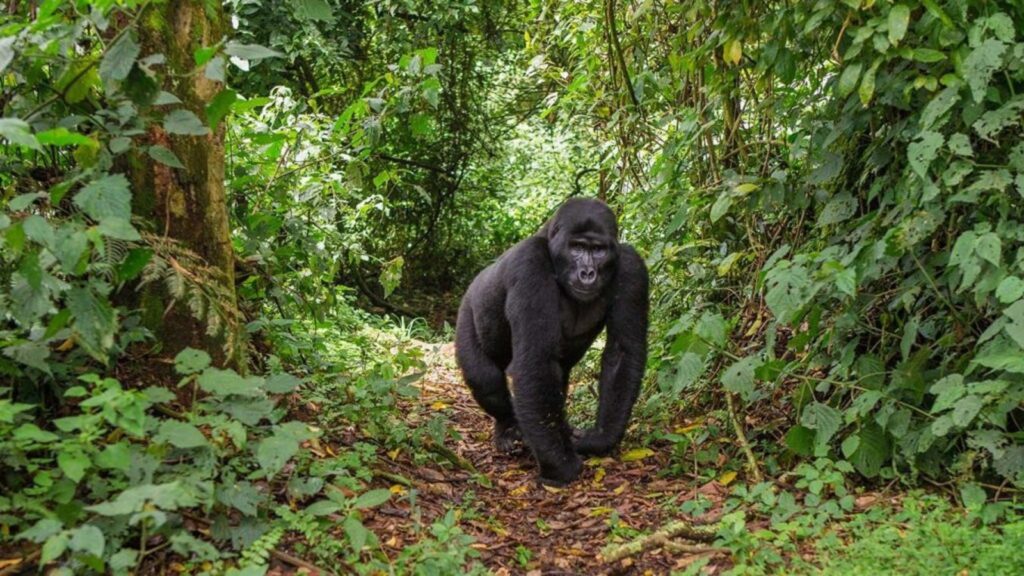
Rwanda manages gorilla trekking with strict rules that protect the animals. Small trekking groups, limited daily permits, and careful viewing guidelines create a safe environment for gorilla families. Tourists follow rules that prevent disease transmission and reduce stress on the gorillas. These controlled interactions set a global standard for ethical wildlife tourism. The system shows how visitors can enjoy an intimate wildlife experience while protecting the animals at the same time.
Why Tourism Remains a Cornerstone of Gorilla Survival
Tourism helped raise the mountain gorilla population from critical endangerment to steady growth. The success comes from a model that treats tourism as a conservation tool rather than a commercial product. Every visit funds protection, strengthens communities, and secures the future of the Virunga Mountains. Rwanda proved that people and wildlife can thrive together when tourism stays responsible, respectful, and community-centered.
Plan a Trip That Supports Rwanda’s Conservation Efforts
A gorilla trek does more than offer an unforgettable moment with mountain gorillas. It becomes a personal investment in their survival and a contribution to the wellbeing of the communities who protect them. Our team helps you plan a responsible journey that aligns with Rwanda’s conservation values and gives you a meaningful connection to the gorillas.
Inquire and book your Rwanda gorilla trekking experience at https://www.gorilla-permits.com/.