Packing Snacks and Water for Long Treks
Long gorilla treks place real demands on your body. Hours of walking through steep, humid rainforest terrain require steady energy, proper hydration, and smart preparation. Packing the right snacks and enough water can make the difference between finishing the trek feeling strong or struggling with fatigue halfway through.
This guide explains how to pack snacks and water correctly for long gorilla treks in Uganda and Rwanda and why these small details matter more than most travelers expect.
Why Food and Hydration Matter on Gorilla Treks
Gorilla trekking is unpredictable. Some treks last less than an hour, while others stretch well beyond four hours depending on gorilla movement and terrain. Altitude, humidity, and mud increase energy use, even at a slow walking pace.
Because you cannot predict trek length in advance, you must prepare as if the trek will be long. Adequate hydration and light nutrition keep your energy stable, improve concentration, and reduce the risk of dizziness or muscle fatigue.
Understanding Trek Conditions in Gorilla Parks
Gorilla trekking takes place in dense rainforest at altitude, including Bwindi Impenetrable National Park and Volcanoes National Park. Even during dry seasons, humidity remains high and sweating is constant.
The combination of cool air and physical effort often hides dehydration. Many trekkers do not realize they are losing fluids until fatigue sets in. Carrying water and sipping regularly prevents this gradual energy drop.
How Much Water to Carry for a Gorilla Trek
Most trekkers need between one and two liters of water for a full trekking morning. The exact amount depends on fitness level, weather, and trek duration. It is always safer to carry more than you think you will need.
Reusable water bottles or hydration bladders work well, especially those that are easy to access without stopping. Lodges usually provide filtered or bottled water before departure, allowing you to refill responsibly without relying on single-use plastics.
Choosing the Right Snacks for Long Treks
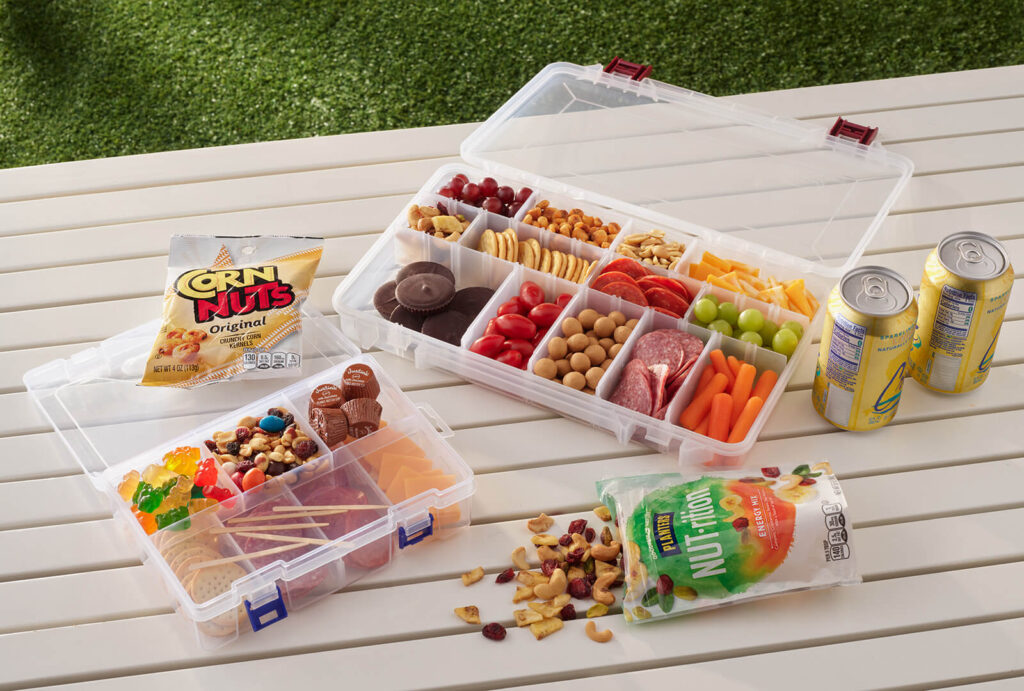
Snacks for gorilla trekking should be light, compact, and easy to digest. The goal is to maintain energy without feeling heavy or bloated while walking uphill.
Energy bars, nuts, dried fruit, bananas, and simple biscuits work well because they release energy gradually. Many lodges prepare packed snacks or lunches specifically designed for trekking days, balancing carbohydrates with light sugars for quick energy.
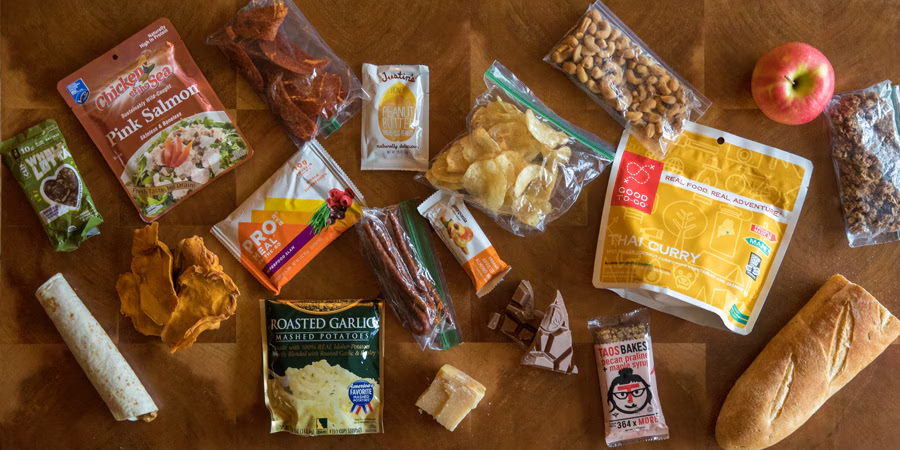
Avoid snacks that melt easily, crumble excessively, or require preparation. Trekking conditions do not allow frequent stops or complicated food handling.
Timing Your Snacks During the Trek
Most trekkers eat a light breakfast at the lodge before departure. Snacks are best used mid-trek, especially during short rest stops or just before steeper sections.
Eating small amounts rather than large portions keeps energy levels steady and avoids discomfort. Guides usually allow brief pauses where you can drink water and eat quietly without disrupting the group.
Packed Lunches and Longer Treks
On days when treks run long or continue into midday, lodges often provide packed lunches. These meals are designed to stay fresh and portable, typically including fruit, bread, wraps, or rice-based dishes.
Eating lunch after the trek or during a longer pause helps recovery and prevents energy crashes later in the day, especially when combined with afternoon travel.
Hydration and Temperature Regulation
Hydration affects more than thirst. It helps regulate body temperature, supports muscle function, and reduces headaches at altitude. Even in cool conditions, sweating continues under rain jackets and long sleeves.
Taking small sips regularly works better than drinking large amounts at once. This approach keeps your body balanced and prevents feeling sluggish during climbs.
Role of Porters in Carrying Snacks and Water
Hiring a porter makes long treks significantly easier. Porters carry daypacks, including water and snacks, allowing you to focus on balance and footing rather than weight on your back.
This support reduces fatigue and directly benefits local communities through employment. Many travelers consider porters one of the most valuable additions to their trek.
Common Mistakes Travelers Make
Some travelers pack too little water, assuming the trek will be short. Others carry heavy, inappropriate food that becomes difficult to eat while walking. Both mistakes reduce comfort and energy.
Successful trekkers keep packing simple, light, and practical, prioritizing hydration first and snacks second.
Preparing the Night Before the Trek
Packing snacks and filling water bottles the night before avoids morning rush. Early trekking starts leave little time for last-minute preparation, especially when departing before sunrise.
A prepared bag allows you to start the day calmly and focus fully on the experience ahead.
Plan Your Safari With Us
Long treks reward smart preparation. We advise travelers on exactly how much water and which snacks to carry based on season, park, and fitness level. Our planning ensures your lodge provides proper packed meals and that porters are available when needed.
Enquire now and let us plan a gorilla safari where every detail—from permits to hydration—supports a strong, comfortable trekking experience.