
Mahale Mountains National Park: Chimpanzees, Rainforest, and Lake Tanganyika
Mahale Mountains National Park offers one of Africa’s most intimate and rewarding wildlife experiences. Set along the eastern shores of Lake Tanganyika in western Tanzania, the park protects a dramatic landscape where forested mountains plunge straight into crystal-clear waters. Mahale feels remote, serene, and profoundly wild.
This park stands as one of the best places in the world to observe chimpanzees in their natural habitat. Unlike vehicle-based safaris, Mahale invites you to slow down, walk the forest, and connect deeply with primates and place. Every experience here feels personal and immersive.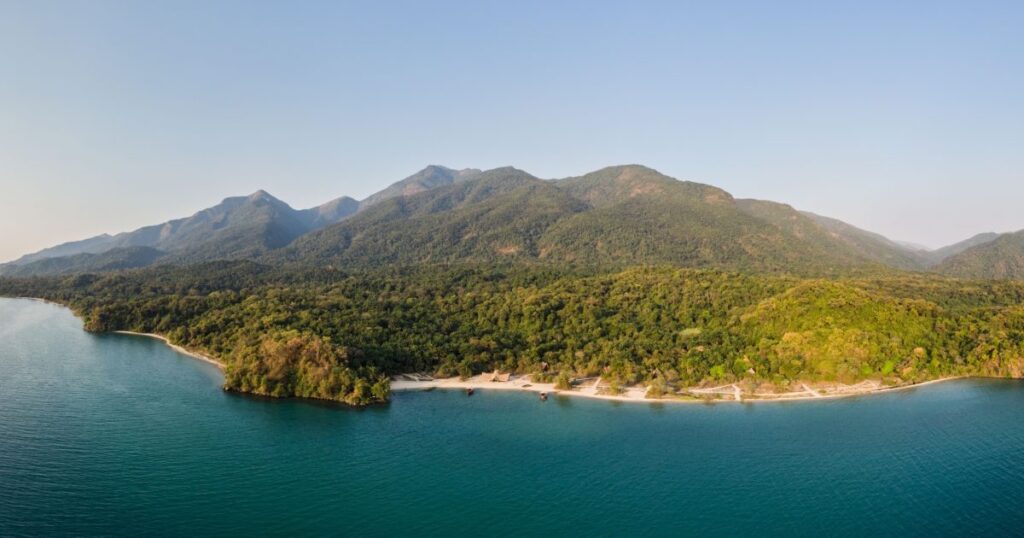
Location and Geographic Setting
Mahale Mountains National Park lies in western Tanzania, bordering Lake Tanganyika, one of the deepest and oldest lakes on Earth. The park covers approximately 1,650 square kilometers and remains accessible only by boat or light aircraft, which preserves its isolation.
The Mahale mountain range rises sharply from the lake, creating a striking contrast between blue water, green forest, and rugged peaks. This dramatic geography shapes the park’s climate, biodiversity, and sense of remoteness.
Landscapes and Natural Character
Mahale’s landscapes feel both powerful and peaceful. Dense tropical rainforest blankets the mountain slopes, broken by clear streams and hidden valleys. As elevation increases, forest types shift, revealing bamboo zones and montane vegetation near the peaks.
Along the lakeshore, white-sand beaches line the forest edge. Calm waters reflect the mountains at sunrise, while fishermen glide silently across the lake. The constant presence of Lake Tanganyika gives Mahale a rare balance between jungle intensity and lakeside tranquility.
Wildlife of Mahale Mountains National Park
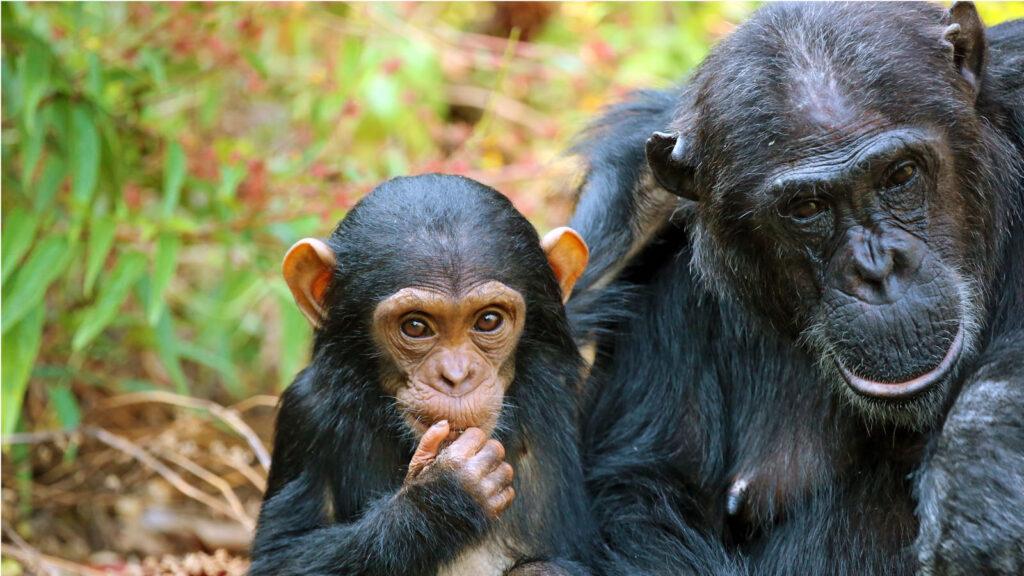
Mahale protects one of Africa’s largest remaining populations of wild chimpanzees. Several habituated groups allow for ethical and respectful tracking experiences led by expert guides. Observing chimpanzees here feels raw and emotional, as you watch complex social behavior unfold just meters away.
Other primates thrive in the forest, including red colobus monkeys, red-tailed monkeys, and blue monkeys. Forest mammals such as bushbuck and warthog appear occasionally along trails and clearings. Birdlife flourishes, with hundreds of species inhabiting forest canopies and lakeshore habitats.
Lake Tanganyika itself supports a remarkable variety of fish species, many of them endemic. Swimming and snorkeling reveal vibrant underwater ecosystems unique to this ancient lake.
Key Attractions to See in Mahale Mountains National Park
Chimpanzee tracking ranks as Mahale’s defining attraction. Following experienced trackers through the forest leads to unforgettable encounters with wild chimpanzees feeding, grooming, and calling through the trees. Each trek feels different, shaped by terrain, weather, and chimp movement.
The Mahale Mountains themselves form another major highlight. Hiking trails climb through rainforest to panoramic viewpoints overlooking Lake Tanganyika. Waterfalls hidden in forest valleys offer quiet moments of reflection after long walks.
The lake provides its own attractions. Pristine beaches invite swimming and relaxation, while boat excursions reveal fishing villages, rocky coves, and dramatic shorelines. Sunsets over the lake often become the most memorable moments of a Mahale visit.
Experiences and Activities in Mahale
Mahale focuses on low-impact, nature-based activities. Guided chimpanzee tracking remains the primary experience, usually conducted in small groups to minimize disturbance. Guides interpret chimp behavior, forest ecology, and ongoing research efforts.
Hiking offers a chance to explore the park beyond primate tracking. Trails vary in difficulty and reward visitors with sweeping views and deep forest immersion. Lake-based activities include kayaking, swimming, and snorkeling, all enjoyed in clear, calm waters.
Cultural interaction remains minimal inside the park, which enhances the feeling of isolation and wilderness.
Best Time to Visit Mahale Mountains National Park
The dry season from June to October provides the best conditions for chimpanzee tracking. Trails remain easier to navigate, and chimpanzees tend to stay at lower elevations, improving tracking success.
The wetter months from November to April bring lush forest growth and fewer visitors. Tracking becomes more challenging as chimps move higher into the mountains, but the scenery reaches peak vibrancy. This season suits travelers who value solitude and atmosphere over ease.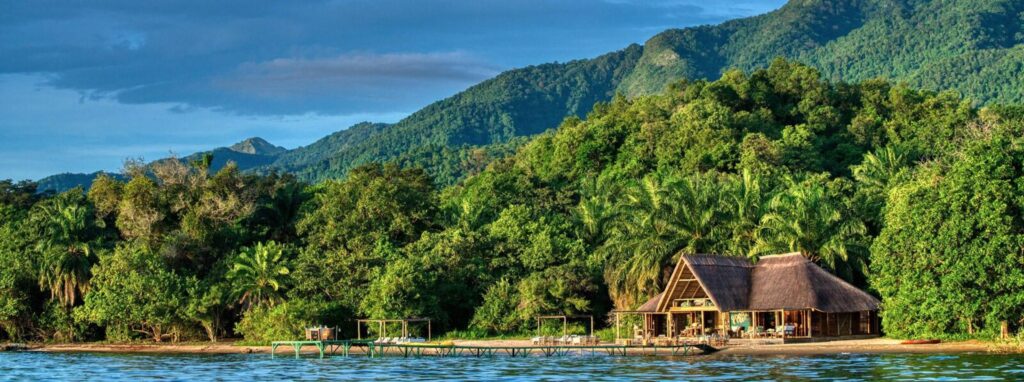
Accommodation and Access
Mahale offers a small number of high-quality, eco-conscious lodges located along the lakeshore. These camps blend comfort with wilderness, offering thatched bandas, attentive service, and expert guiding without overwhelming the environment.
Access usually involves scheduled or charter flights to nearby airstrips, followed by boat transfers across Lake Tanganyika. Because logistics require precision, travelers rely on experienced operators to manage transport, permits, and guiding.
Plan Your Tour to Mahale Mountains National Park
Planning a Mahale safari demands advance preparation due to the park’s remoteness and limited accommodation. Selecting the right season ensures the best chimpanzee tracking conditions and overall experience.
Working with specialist safari planners helps coordinate flights, lake transfers, and lodge availability. A well-paced itinerary allows time for both chimpanzee tracking and lakeside relaxation, creating a balanced and rewarding journey. Mahale suits travelers who appreciate depth over speed and nature over luxury excess.
Conservation Importance of Mahale
Mahale plays a crucial role in protecting chimpanzees and their forest habitat. Long-term research projects have studied chimpanzee behavior here for decades, contributing valuable knowledge to global conservation efforts.
Tourism operates at low volume and high value, ensuring minimal impact while supporting conservation funding and park management. Every visit reinforces the importance of preserving intact primate habitats.
Why Mahale Mountains National Park Stands Apart
Mahale offers something rare in modern travel. It delivers close encounters with one of humanity’s closest relatives in a setting of extraordinary beauty and isolation. The combination of rainforest, mountains, and Lake Tanganyika creates an experience that feels deeply personal and unforgettable.
For travelers seeking meaningful wildlife encounters and true wilderness, Mahale Mountains National Park stands among Africa’s finest destinations.