
Gombe Stream National Park: Chimpanzees on the Shores of Lake Tanganyika
Gombe Stream National Park delivers one of Africa’s most intimate primate experiences. Perched on the eastern shoreline of Lake Tanganyika in western Tanzania, the park protects steep forested valleys where chimpanzees live just above clear blue waters. Gombe feels small in size yet immense in impact, offering close encounters that shaped modern primatology and changed how the world understands chimpanzees.
This park favors walkers over vehicles and patience over spectacle. Visitors come to follow forest trails, listen for calls in the canopy, and witness chimpanzee society at close range. Every trek feels purposeful and deeply moving.
Location and Geographic Setting
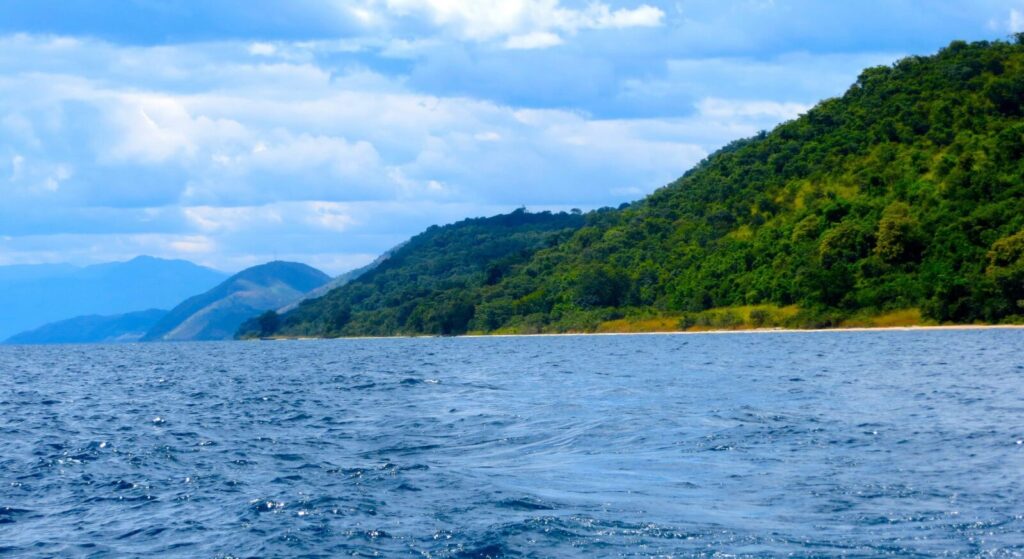
Gombe Stream National Park lies north of Kigoma town, accessible primarily by boat across Lake Tanganyika. At just over 50 square kilometers, Gombe ranks among Tanzania’s smallest national parks, yet its dramatic terrain gives it outsized presence.
The park’s geography rises sharply from the lakeshore into steep ridges and narrow valleys. Forest streams cut through the slopes, feeding waterfalls that spill toward the lake. This compressed landscape creates intense biodiversity within a short distance.
Landscapes and Natural Character
Gombe’s landscape feels vertical and alive. Dense evergreen forest blankets the hillsides, broken by seasonal streams and shaded ravines. Trails climb and descend quickly, revealing changing perspectives of forest and water.
Along the lake, sandy coves and rocky outcrops form quiet resting points. Early mornings often bring mirror-like reflections of mountains on Lake Tanganyika, while afternoons carry forest sounds down to the shore. The contrast between jungle and lake defines Gombe’s character.
Wildlife of Gombe Stream National Park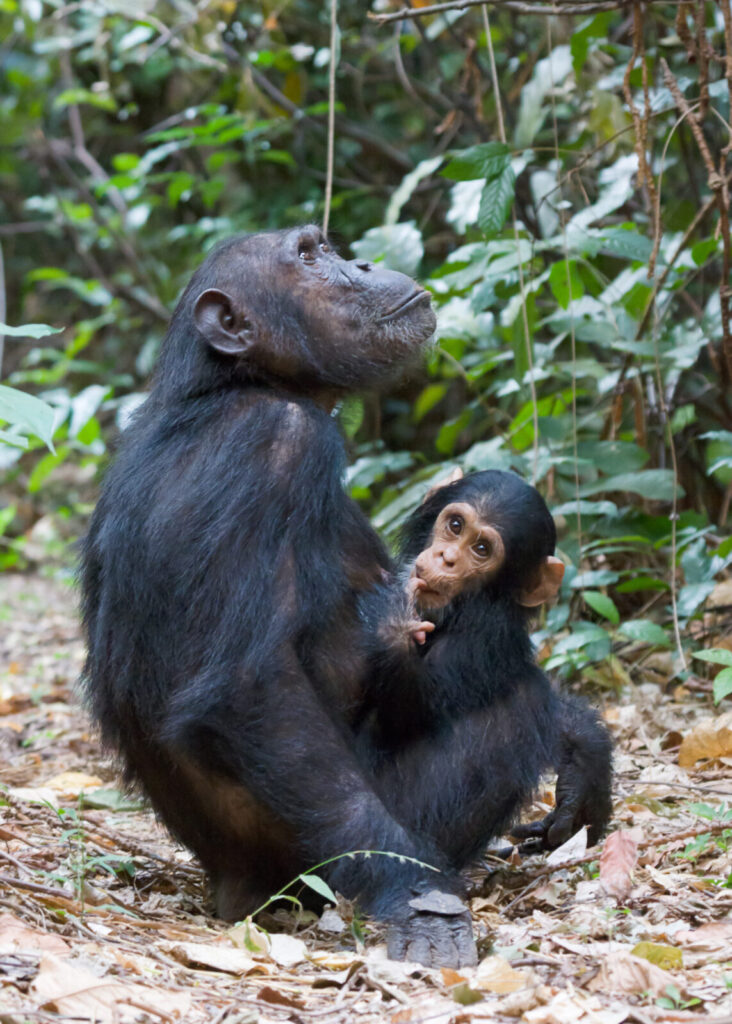
Chimpanzees form the heart of Gombe’s wildlife story. Several habituated communities allow guided tracking that reveals feeding, grooming, dominance displays, and social bonds in real time. Encounters here feel personal and emotional, shaped by decades of careful research and protection.
Other primates thrive in the forest, including red colobus monkeys, olive baboons, red-tailed monkeys, and blue monkeys. Birdlife flourishes, with forest species and lakeshore birds sharing space in close proximity. The lake supports rich fish diversity, adding another layer to the ecosystem.
Key Attractions to See in Gombe Stream National Park
Chimpanzee tracking stands as Gombe’s defining attraction. Guided walks follow known routes into forest valleys where chimp groups move daily. The experience emphasizes observation, respect, and understanding rather than pursuit.
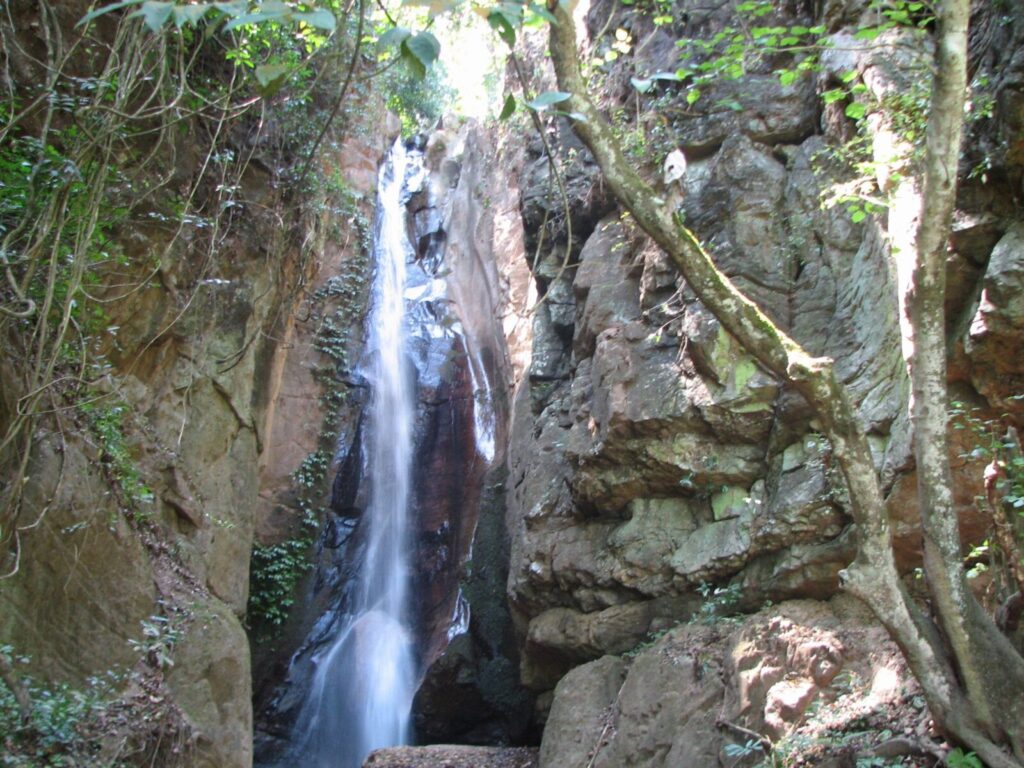
Waterfalls provide scenic highlights along forest trails, especially during wetter months. Jane Goodall’s research sites remain points of quiet reflection, linking visitors to the park’s scientific legacy. Lake Tanganyika itself serves as an attraction, offering swimming, boat exploration, and peaceful shoreline moments after treks.
Experiences and Activities in Gombe
Gombe centers on low-impact activities that deepen connection with nature. Guided chimpanzee trekking forms the core experience, conducted in small groups to protect the animals and their habitat. Guides share insights into behavior, research history, and forest ecology throughout each walk.
Hiking trails allow further exploration of ridges and valleys, rewarding effort with sweeping lake views. Lake-based activities include swimming, kayaking, and boat excursions along the shoreline, creating a balance between forest intensity and lakeside calm.
Best Time to Visit Gombe Stream National Park
The dry season from June to October offers the best conditions for chimpanzee tracking. Trails stay more stable, and chimpanzees often remain at lower elevations, improving viewing opportunities.
The wetter season from November to April brings thicker vegetation and fewer visitors. Chimpanzees may range higher into the hills, which adds challenge to treks but rewards those who value solitude and vibrant forest scenery.
Accommodation and Access
Accommodation near Gombe remains limited and intentionally low-key. Small lodges and park-run facilities along the lakeshore provide simple comfort, expert guiding, and close proximity to trekking trails.
Access typically involves flying to Kigoma followed by boat transfer along Lake Tanganyika. Because space remains limited, advance planning ensures smooth logistics and availability during peak seasons.
Plan Your Tour to Gombe Stream National Park
Planning a Gombe visit requires early coordination due to limited accommodation and daily trekking permits. Choosing the right season helps align expectations for chimpanzee encounters and trail conditions.
Working with experienced safari planners simplifies transport, permits, and guiding arrangements. A well-paced itinerary allows time for chimpanzee tracking, forest walks, and lakeside relaxation without rushing the experience. Gombe rewards travelers who slow down and engage fully.
Conservation Importance of Gombe
Gombe holds global conservation significance. Long-term research initiated here transformed understanding of chimpanzee behavior and human evolution. Continued protection supports ongoing research, habitat preservation, and environmental education.
Tourism remains carefully controlled to protect chimpanzees and forest systems. Visitor fees contribute directly to conservation and community support around Lake Tanganyika.
Why Gombe Stream National Park Stands Apart
Gombe offers more than wildlife viewing. It delivers perspective, connection, and meaning. Walking the same forest paths that inspired decades of research creates a powerful sense of continuity between science and nature.
For travelers seeking close encounters with chimpanzees in a setting of deep historical and ecological importance, Gombe Stream National Park remains unmatched.