

Gorilla tourism proves that wildlife conservation and tourism can work together when managed responsibly. Every trek supports rangers, communities, forests, and the future of gorillas themselves.
When travellers step into the forest, they become part of a conservation system that protects one of Earth’s most extraordinary species for generations to come.
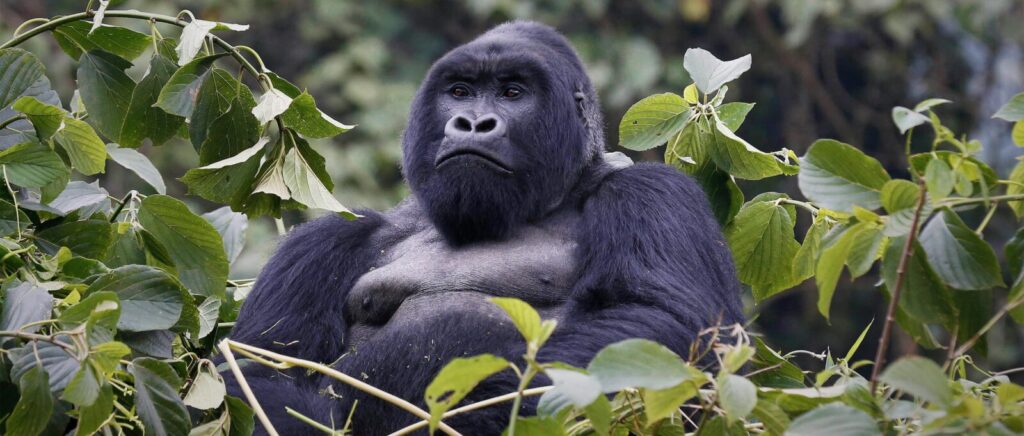
The Conservation Crisis Gorillas Once Faced
Mountain gorillas once stood on the edge of extinction. Habitat loss, poaching, civil conflict, and disease reduced their population to dangerously low numbers in the late 20th century. Forests shrank as communities expanded, and wildlife protection lacked funding, manpower, and political stability.
Without a sustainable way to protect gorillas and their habitats, survival depended on outside intervention. Gorilla tourism became that solution by linking wildlife protection directly to economic value.
Gorilla Tourism Creates Direct Funding for Conservation
Gorilla trekking permits form the backbone of conservation financing. Permit revenue supports national park operations, ranger salaries, veterinary care, research, and infrastructure. These funds pay for daily patrols, monitoring teams, and rapid response units that protect gorillas from threats.
Because permits limit visitor numbers, tourism remains controlled. This balance allows revenue generation without overwhelming the gorillas or damaging their habitat.
Rangers and Anti-Poaching Efforts
Tourism revenue finances ranger recruitment, training, and equipment. Rangers patrol forest boundaries, dismantle snares, monitor gorilla movements, and respond to illegal activity. Their presence alone deters poaching and encroachment.
Rangers also act as conservation educators. They work with surrounding communities to explain why gorilla protection benefits everyone. This human presence forms the frontline defense for gorilla survival.
Veterinary Care and Gorilla Health Monitoring
Gorilla tourism funds specialized veterinary teams that monitor gorilla health daily. These experts intervene when gorillas suffer injuries, disease, or snare wounds. Rapid medical response has saved countless lives and improved long-term population stability.
Health monitoring also protects gorillas from human-transmitted illnesses. Strict trekking rules, including distance limits and health checks, exist because tourism funds the systems that enforce them.
Community Revenue Sharing Programs
One of the most powerful conservation tools is community inclusion. A portion of gorilla tourism revenue goes directly to communities living near the parks. These funds support schools, clinics, water projects, and local infrastructure.
When communities see real benefits from gorilla protection, attitudes shift. Gorillas become assets rather than threats. This shared value reduces illegal activities and strengthens long-term conservation outcomes.
Alternative Livelihoods Reduce Pressure on Forests
Tourism creates employment opportunities that reduce reliance on forest exploitation. Local residents work as guides, porters, lodge staff, drivers, craftsmen, and cultural performers. These jobs provide stable income linked to forest preservation.
Former poachers often become conservation ambassadors, using their knowledge of the forest to protect wildlife instead of exploiting it. This transition represents one of conservation’s greatest victories.
Controlled Tourism Protects Gorilla Behaviour
Gorilla tourism operates under strict rules to minimize disturbance. Only a limited number of visitors may see each gorilla family per day. Viewing time remains short. Distance rules protect natural behaviour and reduce stress.
These measures ensure gorillas remain wild and self-sustaining. Tourism does not domesticate gorillas. Instead, it funds systems that allow them to live freely while being protected.
Research and Long-Term Monitoring
Tourism supports scientific research that tracks gorilla population growth, genetic diversity, and behavioural patterns. Long-term data helps conservationists make informed decisions about habitat protection and disease prevention.
Research also improves trekking management by identifying stress indicators and adjusting visitor guidelines accordingly.
Habitat Protection Beyond Gorillas
Protecting gorillas means protecting entire ecosystems. Forests preserved for gorillas also safeguard countless other species, including birds, primates, insects, and rare plants. These forests regulate climate, store carbon, and protect water sources.
Gorilla tourism therefore supports biodiversity conservation far beyond a single species.
Conservation Education Through Tourism
Visitors leave gorilla parks with deeper awareness of conservation challenges. Seeing gorillas in the wild creates emotional connections that inspire long-term advocacy, donations, and responsible travel choices.
Education extends to local schools and youth programs funded by tourism revenue. These initiatives nurture future conservation leaders within surrounding communities.
Why Gorilla Permits Matter
Permits control access, protect gorilla welfare, and generate essential conservation funding. High permit costs are intentional. They reduce visitor pressure while maximizing conservation impact per visitor.
Every permit contributes directly to protection efforts. Without permits, conservation systems would struggle to survive.
Responsible Gorilla Tourism Makes the Difference
Gorilla tourism works only when visitors respect rules, follow ranger guidance, and understand their role in conservation. Responsible behaviour protects gorillas and strengthens the system that keeps them safe.
Choosing ethical trekking experiences ensures tourism remains a force for good rather than exploitation.
The Conservation Results Speak for Themselves
Thanks to gorilla tourism, mountain gorilla populations have increased steadily over the past decades. This recovery represents one of the few examples where tourism directly reversed the decline of a critically endangered species.
Gorillas survive today because conservation pays, communities benefit, and tourism remains carefully managed.