Food Hygiene Tips During Safari Trips
Food hygiene plays a quiet but critical role in the success of any safari trip. Gorilla safaris and wildlife journeys take you into remote regions where your body is more exposed to changes in climate, diet, and routine. Staying healthy allows you to enjoy trekking, game drives, and cultural experiences without interruption. With the right awareness and habits, food-related illnesses are largely avoidable.
This guide explains how to manage food hygiene safely and confidently while traveling on safari in Uganda and Rwanda.
Why Food Hygiene Matters on Safari
Safari destinations often lie far from major hospitals, especially near gorilla parks. Even minor stomach upsets can become uncomfortable when paired with long drives, early mornings, or physically demanding treks. Maintaining good food hygiene protects not only your comfort but also your ability to participate fully in planned activities.
Unlike urban travel, safari trips involve lodge dining, picnic lunches, and occasional roadside stops. Each setting requires a slightly different level of awareness.
Eating at Safari Lodges
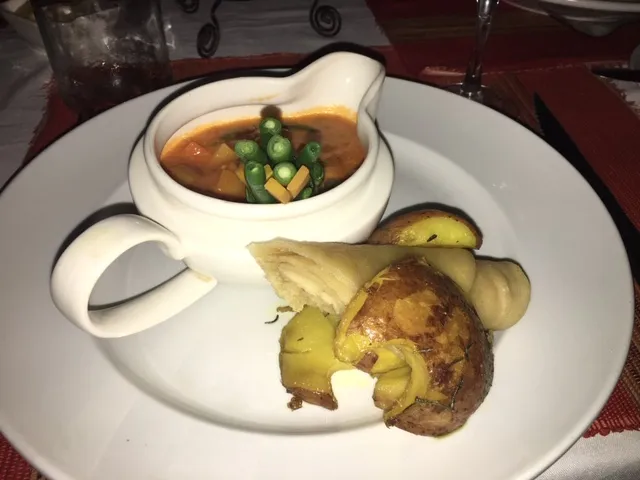
Reputable safari lodges maintain high food hygiene standards. Kitchens operate under strict routines, using treated water, fresh ingredients, and trained staff. Meals are prepared with traveler health in mind, especially in regions near Bwindi Impenetrable National Park and Volcanoes National Park, where lodges depend heavily on international guests.
Travelers can eat lodge-prepared meals with confidence. Hot food is cooked thoroughly, vegetables are washed properly, and storage follows safety guidelines. If you have dietary sensitivities, lodges usually accommodate them when informed in advance.
Drinking Water Safely
Water safety is one of the most important hygiene considerations on safari. Tap water is not recommended for drinking unless a lodge specifically confirms it has been treated. Most lodges provide filtered or bottled water for drinking and brushing teeth.
Using bottled or treated water consistently prevents common stomach issues. Ice served at reputable lodges is usually made from treated water, but when in doubt, it is reasonable to ask.
Managing Food During Picnic Lunches
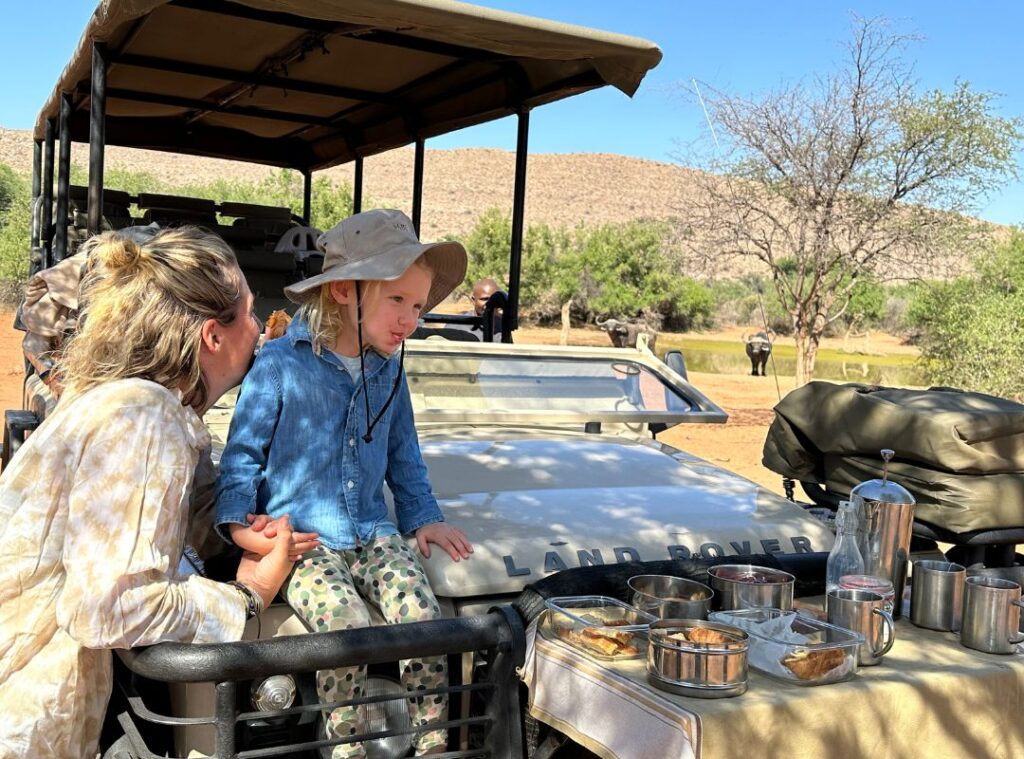
Safari activities often include packed lunches, especially on long game drives or trekking days. These meals are prepared early in the morning and stored in cool boxes to maintain freshness.
It is best to eat packed meals soon after opening them rather than saving them for later. Avoid exposing food to direct sunlight for long periods, as heat encourages bacteria growth. Guides are trained to manage food timing safely, so following their advice matters.
Street Food and Local Eateries
Local food offers cultural insight, but hygiene standards vary. Travelers interested in trying street food should rely on recommendations from guides or drivers who know which vendors follow good practices.
Freshly cooked food served hot is generally safer than food that has been sitting out. Avoid raw or unpeeled items unless you are confident in preparation methods. There is no obligation to try everything—comfort and health come first.
Hand Hygiene and Personal Habits
Hand hygiene supports food safety as much as food choice itself. Washing hands before meals or using hand sanitizer reduces the risk of contamination. Safari travel involves dust, shared vehicles, and outdoor activities, which increase exposure to germs.
Keeping sanitizer accessible during travel days helps maintain hygiene when washing facilities are unavailable.
Fruits, Vegetables, and Raw Foods
At lodges, fruits and vegetables are washed using treated water and are safe to eat. Outside controlled environments, avoid raw salads or unpeeled fruits unless advised otherwise by your guide.
Choosing fruits that you can peel yourself, such as bananas or oranges, adds an extra layer of safety when eating outside lodges.
Alcohol, Ice, and Beverages
Alcoholic beverages served at lodges and established restaurants are safe. Local beers and bottled drinks are widely available and reliable. Be cautious with homemade beverages unless you are certain of preparation standards.
As with water, ice should only be consumed at reputable establishments that confirm safe water use.
Listening to Your Body While Traveling
Travel exposes the body to new bacteria, even with good hygiene. Eating moderately, staying hydrated, and avoiding overeating helps your digestive system adapt.
If mild discomfort appears, resting and returning to simple foods often resolves the issue quickly. Serious symptoms should be reported immediately to lodge staff or guides.
Role of Your Guide and Lodge Staff
Guides and lodge teams play an important role in food safety. They advise on where to eat, when to eat, and what to avoid. Following their guidance reduces risk significantly.
These teams understand local conditions and traveler needs, making them your strongest allies in staying healthy.
Plan Your Safari With Us
A smooth safari depends on good health as much as good planning. We work with trusted lodges, experienced guides, and reliable routes to minimize food-related risks. We also brief travelers in advance on what to expect and how to stay safe throughout the journey.
Enquire now and let us plan a gorilla safari where your health, comfort, and enjoyment remain protected from start to finish.