Dining at Eco-Lodges—Farm-to-Table Experiences
Dining at eco-lodges in East Africa goes far beyond eating well. It reflects a philosophy of sustainability, community connection, and respect for the land. In gorilla trekking regions, where ecosystems are fragile and conservation is central, farm-to-table dining plays an important role in responsible tourism. Meals feel fresher, more meaningful, and deeply connected to the landscapes you have come to explore.
This guide explains what farm-to-table dining means at eco-lodges in Uganda and Rwanda, how it works in practice, and why it enhances the overall safari experience.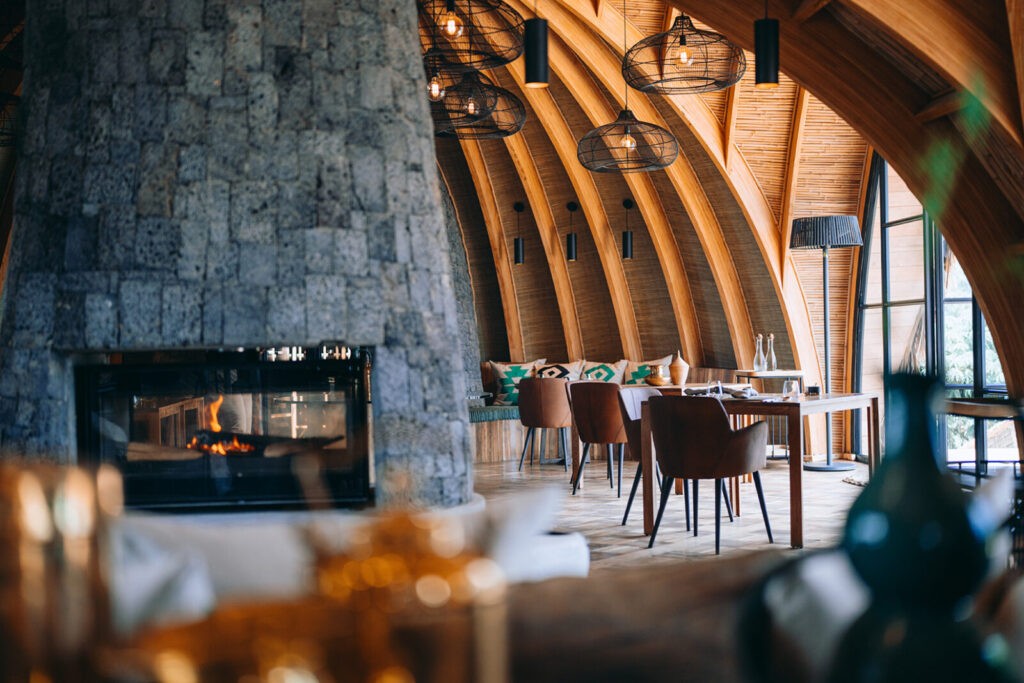
What Farm-to-Table Means in Gorilla Regions
Farm-to-table dining at eco-lodges focuses on sourcing ingredients locally, often directly from lodge gardens, nearby farms, or community cooperatives. Instead of importing food from distant cities, eco-lodges rely on seasonal produce grown in the surrounding highlands.
In gorilla regions, altitude and fertile volcanic soils support vegetables, fruits, herbs, and legumes year-round. Eco-lodges build menus around what the land provides, allowing meals to change naturally with the seasons rather than following fixed international menus.
How Eco-Lodges Source Their Ingredients
Many eco-lodges maintain their own kitchen gardens where chefs harvest vegetables, herbs, and greens daily. Items such as spinach, kale, tomatoes, onions, herbs, and chilies often come straight from the garden to the kitchen within hours.
Other ingredients are sourced from nearby smallholder farmers, creating reliable income for local communities. In areas surrounding Bwindi Impenetrable National Park and Volcanoes National Park, this approach strengthens relationships between lodges and villages while reducing transport-related environmental impact.
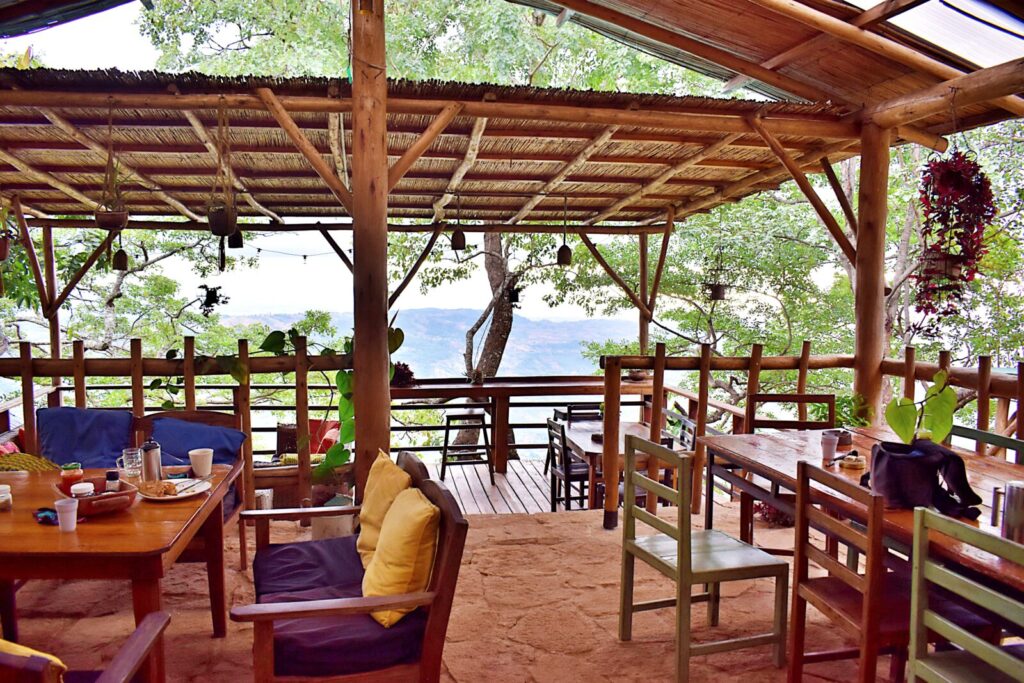
The Dining Experience at Eco-Lodges
Meals at eco-lodges feel personal and intentional. Chefs design menus based on what is freshest rather than what is most fashionable. Dishes often combine local staples such as beans, plantains, sweet potatoes, and seasonal vegetables with refined preparation techniques.
Portions feel balanced rather than heavy, which suits physically demanding safari activities like gorilla trekking. The emphasis remains on nourishment, flavor, and authenticity rather than excess.
Seasonal Menus and Culinary Creativity
Because farm-to-table dining depends on availability, menus change regularly. During rainy seasons, leafy greens, mushrooms, and root vegetables dominate. In drier months, tomatoes, pumpkins, fruits, and legumes take center stage.
This seasonality encourages culinary creativity. Guests often enjoy dishes they would never encounter in standard restaurants, prepared with local twists that reflect both tradition and innovation.
Health, Freshness, and Food Quality
Freshly harvested ingredients retain more nutrients and flavor. Meals prepared from garden-fresh produce feel lighter yet more satisfying, which helps recovery after long treks.
Eco-lodges also control food handling closely, ensuring hygiene and freshness from source to plate. This attention reduces reliance on preservatives and packaged foods, benefiting both health and the environment.
Sustainability Beyond the Plate
Farm-to-table dining reduces carbon footprint by minimizing food transport and packaging. Organic waste often returns to compost, feeding the same gardens that produce future meals.
Many eco-lodges integrate dining into broader sustainability efforts, including water conservation, renewable energy use, and waste reduction. Dining becomes part of a circular system rather than a separate service.
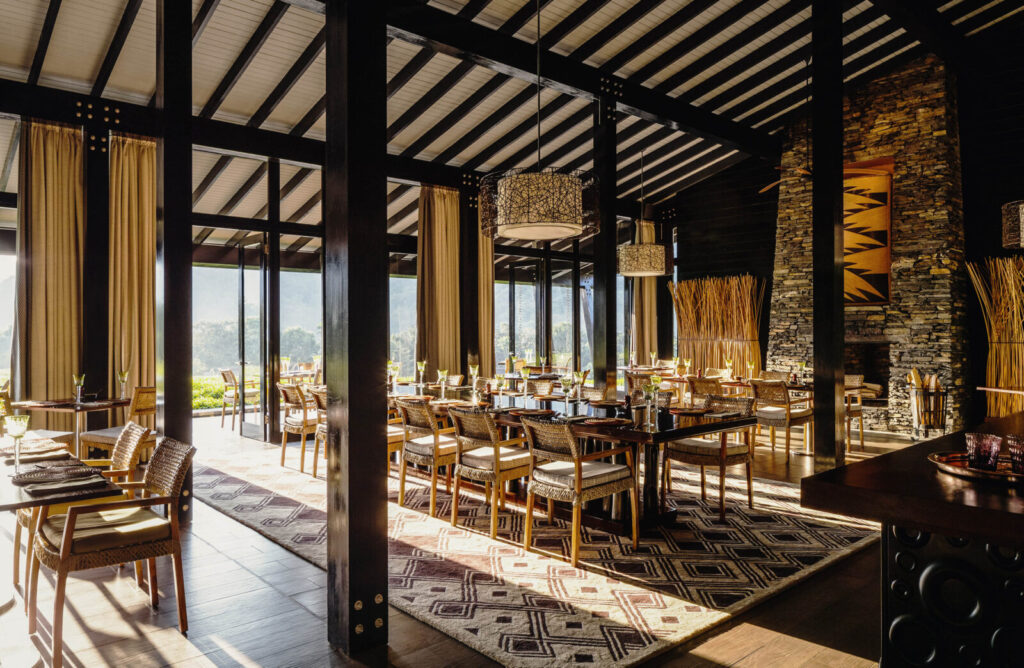
Community Connection Through Food
Food connects guests directly to local livelihoods. When you eat at an eco-lodge, your meal often supports nearby farmers, women’s cooperatives, or community gardens.
Some lodges invite guests to visit their gardens or meet farmers, creating transparency and appreciation for where food comes from. This connection transforms dining into a cultural exchange rather than a passive experience.
Dietary Flexibility at Eco-Lodges
Eco-lodges adapt farm-to-table menus easily for vegetarian and vegan travelers. Plant-based diets align naturally with local food systems, making eco-lodges particularly welcoming for guests with dietary preferences.
Advance communication allows chefs to plan meals that remain nutritious and varied without compromising sustainability principles.
Why Farm-to-Table Dining Enhances a Gorilla Safari
After spending time in ancient rainforests with mountain gorillas, eating food grown in the same landscape deepens the sense of place. Farm-to-table dining reinforces the idea that conservation, community, and travel are interconnected.
For many travelers, these meals become memorable highlights, not because of luxury, but because of authenticity and intention.
Plan Your Safari With Us
Choosing the right eco-lodges enhances both your comfort and your impact. We work with lodges that practice genuine farm-to-table dining and strong sustainability values. Our planning ensures your safari supports local communities, protects ecosystems, and delivers meaningful experiences at every level.
Enquire now and let us plan a gorilla safari where conservation, culture, and cuisine come together naturally.