
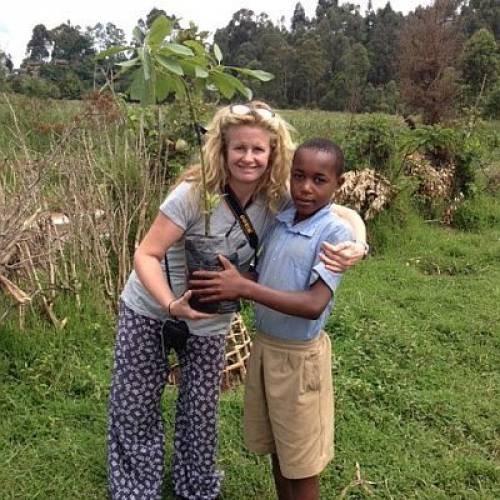
 Community projects ensure that tourism creates real, visible benefits for the people who live near national parks. When communities benefit directly, they become active partners in conservation rather than passive observers.
By visiting these projects, travelers:
Support healthcare, education, and livelihoods
Encourage conservation-friendly attitudes
Experience authentic cultural interactions
Contribute to long-term wildlife protection
Responsible tourism in Bwindi, Kibale, and Murchison Falls goes beyond wildlife viewing. It is about shared value, mutual respect, and ensuring that conservation works for both people and nature.
Community Projects Around Bwindi Impenetrable National Park
Bwindi is surrounded by diverse communities, including the Batwa, Bakiga, and Bafumbira peoples. Over the years, several community projects have been established to improve living standards while reducing pressure on the forest.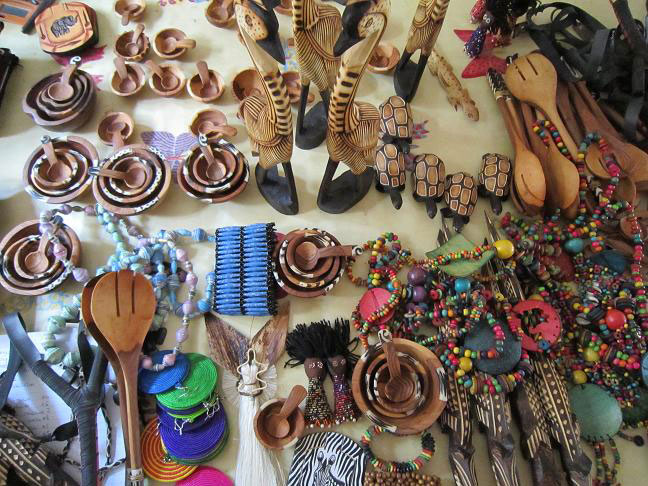
One of the most impactful initiatives is the Volcanoes Safaris Partnership Trust (VSPT), which supports healthcare, education, and income-generating activities. Through this partnership, community members engage in small businesses such as tea growing and hospitality-related enterprises that provide stable income linked to tourism.
Healthcare access has improved significantly through the Bwindi Community Hospital, a flagship community-supported medical facility. The hospital serves local communities regardless of income level and has become a lifeline for thousands of people. Many local residents testify to how the hospital has transformed health outcomes in the region, especially for mothers and children.
Cultural integration and skills development have also been central. Members of the Batwa, Bakiga, and Bafumbira communities have received training in guiding, craft production, hospitality, and conservation awareness. These programs help communities transition away from unsustainable forest dependence toward dignified, tourism-supported livelihoods.
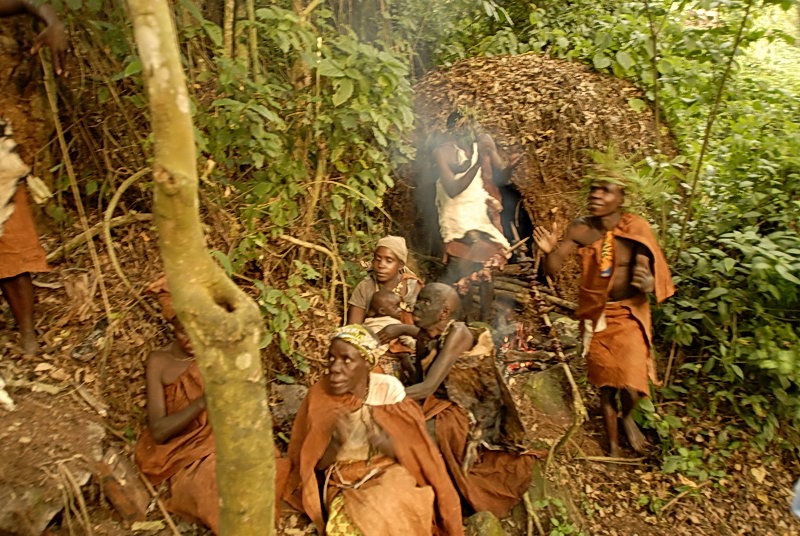
Visitors can actively engage with community tourism through experiences such as Batwa cultural encounters, where former forest dwellers share their history, music, dance, and traditional knowledge. These visits create awareness about Batwa heritage while directly supporting community welfare.
Community Projects Around Kibale Forest National Park
Kibale’s community projects focus strongly on chimpanzee conservation, environmental protection, and sustainable livelihoods. One of the most important initiatives is the Ngogo Chimpanzee Project, which combines scientific research with community engagement.
This project works closely with local residents to protect chimpanzees and other wildlife from threats such as poaching and snaring. Community members are employed as patrol teams who regularly monitor forest boundaries, remove wire snares, and report illegal activities. These efforts have significantly reduced snare-related injuries among chimpanzees and other animals.
The project is supported by international conservation partners, including the Detroit Zoological Society and the Disney Wildlife Conservation Fund. Their support enables ongoing research, ranger training, and community outreach programs.
Another major initiative is the Forest Carbon Portal, which promotes environmental sustainability by encouraging forest protection, climate-smart agriculture, and carbon-conscious land use. This project evaluates environmental, social, and economic impacts, ensuring that conservation efforts benefit both nature and people while aligning with the three pillars of sustainability: environment, society, and economy.
Community-based tourism activities around Kibale include guided village walks, cultural performances, and the Bigodi Wetland Sanctuary, a community-managed area famous for birds, monkeys, and wetland ecology. Revenue from these activities is reinvested into schools, clean water projects, and household incomes.
Community Projects Around Murchison Falls National Park
Communities living around Murchison Falls National Park play a vital role in protecting Uganda’s largest conservation area. Here, community projects focus on human–wildlife coexistence, education, and alternative livelihoods.
Local initiatives support craft-making, beekeeping, fishing cooperatives, and cultural tourism experiences that reduce dependence on illegal resource use within the park. Community wildlife scouts are trained to help mitigate human–wildlife conflict, especially involving elephants and crop raiding.
Cultural tourism experiences in nearby villages allow visitors to learn about traditional lifestyles, music, and storytelling while directly supporting households through tourism income. Revenue-sharing programs funded by park entrance fees contribute to schools, health centers, water projects, and road improvements.
Women-Led Community Projects and Social Empowerment

Across these regions, women-led initiatives play a growing role in conservation-linked development. Groups such as BOATYOMU Women’s Group, registered under the Uganda Community Tourism Association (UCOTA), focus on women’s empowerment, household income generation, and environmental stewardship.
These groups promote collaboration among women through craft production, catering, cultural tourism, and conservation education. By strengthening women’s economic independence, the projects improve family welfare and foster positive relationships between communities and tourism stakeholders.