

Chimpanzee trekking challenges both body and mind, but it remains achievable for most travelers who prepare realistically. You do not need extreme fitness, but you do need stamina, balance, and willingness to walk in demanding forest conditions.
Those who prepare well often find the physical effort becomes part of the reward. Reaching a chimpanzee group after a challenging trek makes the encounter feel earned, personal, and unforgettable.
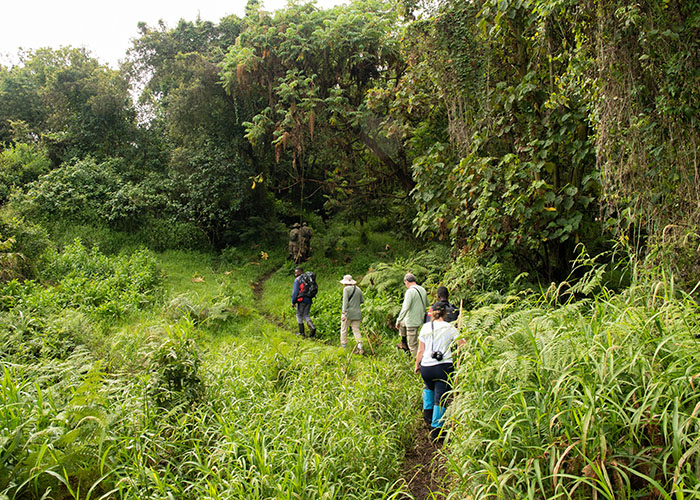
Why Chimpanzee Trekking Is Physically Demanding
Chimpanzees move fast and cover large distances each day. They search for fruit, patrol territory, and interact constantly, which means trackers must follow their movement rather than wait in one place. As a trekker, you adjust your pace frequently, change direction, and sometimes push deeper into the forest to keep up.
Forests where chimpanzees live often feature steep slopes, tangled roots, slippery mud, and thick undergrowth. Trails exist, but conditions change daily based on rainfall and chimp activity. These factors combine to make chimpanzee trekking more demanding than many people expect.
Walking Distance and Duration
Chimpanzee treks usually last between two and four hours, but some treks can extend longer depending on chimp location. Distance varies daily. Some days involve short walks and quick sightings, while others require sustained hiking before the first encounter.
You should feel comfortable walking continuously for several hours at a steady pace. Frequent stops occur, but you should not rely on long rest breaks. The ability to keep moving without fatigue makes the experience more enjoyable and less stressful.
Terrain and Elevation Challenges
Chimpanzee habitats often include rolling hills, river valleys, and forested escarpments. Trails can feel narrow and uneven, with exposed roots and rocky sections. In some destinations, you descend steep slopes and climb back out again during the same trek.
Good leg strength and balance matter more than speed. Trekking poles help stabilize footing, especially during descents. Strong ankles and knees reduce strain and lower the risk of slipping on muddy ground.
Climate, Heat, and Humidity
Chimpanzee trekking takes place in tropical forest environments where humidity remains high year-round. Even during dry seasons, forests retain moisture and warmth. Sweat builds quickly, and dehydration becomes a real risk if you do not prepare.
You should feel comfortable walking in warm, humid conditions while wearing long sleeves and trousers. Basic heat tolerance and proper hydration habits make a significant difference in stamina and comfort.
Fitness Level: What Is “Enough”?
You do not need intense training, but you should meet a basic fitness threshold. If you can comfortably hike for several hours on uneven terrain, climb moderate slopes, and remain active in warm conditions, you meet the physical requirements for chimpanzee trekking.
People who exercise regularly through walking, hiking, cycling, or swimming usually adapt well. Travelers with sedentary lifestyles may find the experience challenging without preparation.
Age and Physical Limitations
Chimpanzee trekking does not impose strict age limits in most destinations, but physical readiness matters more than age itself. Many older travelers complete treks successfully because they maintain good mobility and endurance.
If you have knee issues, joint pain, or balance concerns, discuss options with your tour operator in advance. Some forests offer gentler trail sections, though chimpanzee movement always remains unpredictable.
Mental Fitness and Attitude
Physical ability alone does not define success. Mental readiness plays a major role. Chimpanzee trekking requires patience, flexibility, and a positive mindset. You may walk longer than expected or adjust plans quickly if chimps move suddenly.
Travelers who approach the trek with curiosity rather than rigid expectations enjoy it far more. Staying calm and focused helps conserve energy and enhances awareness of the forest around you.
How to Prepare Physically Before Your Trip
Preparing for chimpanzee trekking improves confidence and enjoyment. Regular walking forms the foundation. Add hill walking or stair climbing to build leg strength. Balance exercises help stabilize joints on uneven ground.
Light strength training supports knees and core muscles, which reduces fatigue during longer treks. Stretching improves flexibility and recovery, especially after steep climbs.
What Guides and Trackers Do to Support You
Experienced guides and trackers pace treks according to group ability whenever possible. They choose routes that balance tracking success with safety. They also allow short pauses to recover, hydrate, and listen for chimp activity.
However, guides cannot control chimpanzee movement. Your own fitness remains the most important factor in keeping the experience comfortable.