

The best time for chimpanzee trekking across Africa generally falls within the dry seasons, when forest conditions support easier movement and stronger sightings. However, each season offers its own rewards. Chimpanzee trekking always involves nature on its own terms, which makes every successful encounter feel earned and unforgettable.
Understanding Chimpanzee Behavior and Seasons
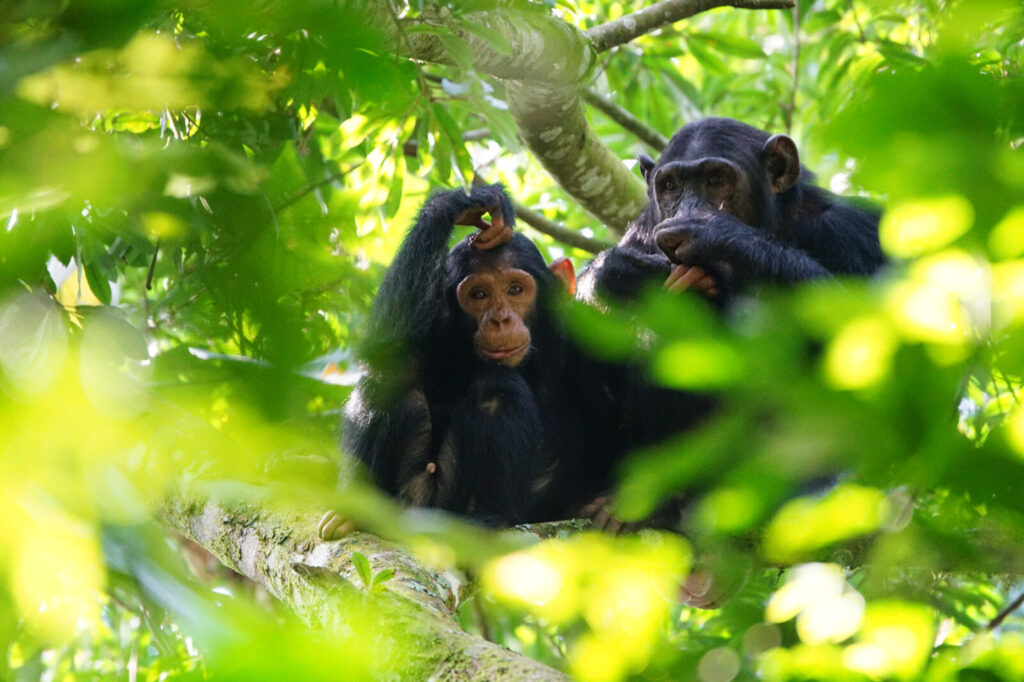
Chimpanzees respond closely to seasonal changes in food availability and rainfall. During drier months, fruiting trees concentrate food at lower elevations, which keeps chimpanzees closer to established trails. Tracking becomes easier, and sightings often last longer.
During wetter months, food spreads across wider areas. Chimpanzees range deeper into the forest and climb higher slopes. Trekking remains possible, but walks take longer and require stronger fitness. Each season offers a different style of experience rather than a strict good or bad period.
Dry Season: The Best Overall Time for Chimpanzee Trekking
The dry season stands as the most reliable time for chimpanzee trekking across Africa. Trails remain firmer, forest visibility improves, and daily tracking success stays high. Rangers and guides also find it easier to follow chimpanzee movements during these months.
In Uganda, the best dry periods fall between June and September and December to February. Forests like Budongo, Kibale, and Kyambura Gorge offer consistent sightings during these months.
In Rwanda, particularly in Nyungwe Forest, the dry season from June to September provides the most comfortable trekking conditions.
In Tanzania, parks such as Mahale Mountains and Gombe Stream see their peak chimpanzee trekking season from July to October, when chimps stay closer to the lower forest slopes near Lake Tanganyika.
Wet Season: A Lusher but More Challenging Experience
The wet season transforms chimpanzee habitats into rich, green landscapes filled with birdlife and fresh growth. Forests feel alive, atmospheric, and dramatic. However, rain makes trails muddy and slippery, which increases trekking difficulty.
Chimpanzees also travel further in search of dispersed food sources. Tracking may take longer, and sightings often occur deeper in the forest. This season suits travelers who enjoy solitude, photography, and immersive rainforest conditions.
In Uganda and Rwanda, the main wet seasons fall between March and May and October to November. In western Tanzania, rains usually peak from November to April, with heavier rainfall earlier in the year.
Month-by-Month Chimpanzee Trekking Overview
From January to February, conditions remain mostly dry in East Africa. Trekking works well, especially in Uganda and Rwanda, with good visibility and manageable forest conditions.
From March to May, heavy rains arrive. Forests become lush, and trekking becomes more physically demanding. This period suits experienced hikers and travelers who prefer fewer visitors.
From June to September, conditions reach their peak. Trails dry out, chimpanzee movements become predictable, and trekking success rates remain high across most destinations.
From October to November, short rains return. Conditions vary, with intermittent rain and improving vegetation. Trekking remains possible, though some days require patience.
From December, drier weather returns gradually, restoring easier trekking conditions and marking the start of another strong season.
Best Time by Destination
Uganda offers year-round chimpanzee trekking, but the most consistent months remain June to September and December to February. These months work especially well for Budongo Forest and Kibale Forest extensions.
Rwanda’s Nyungwe Forest performs best between June and September, when steep trails become easier to navigate.
Tanzania’s Mahale Mountains and Gombe Stream deliver their best experiences between July and October, combining strong chimpanzee sightings with calm lake conditions.
Planning Your Chimpanzee Trekking Tour
Choosing the best time for chimpanzee trekking depends on your priorities. Travelers seeking easier walks, clearer views, and higher success rates should target the dry season. Those who value solitude, vibrant forest scenery, and deeper immersion may prefer the wet season despite the physical demands.
Working with experienced safari planners ensures proper permit booking, realistic expectations, and itineraries that align with seasonal conditions. A well-timed chimpanzee trek feels unhurried, ethical, and deeply rewarding.
When You Should Avoid Chimpanzee Trekking
No season completely prevents chimpanzee trekking, but extreme rain periods can reduce comfort and access in some forests. Travelers with limited mobility or tight schedules should avoid peak rainy months, when tracking durations become unpredictable.