

Chimpanzee trekking offers insight into intelligence, emotion, cooperation, and conflict in the wild. Watching chimps interact feels both familiar and wild, reminding visitors how closely connected humans are to the natural world.
When combined with gorilla trekking, chimpanzee trekking completes the story of Africa’s great apes.
What Is Chimpanzee Trekking?
Chimpanzee trekking involves hiking through tropical forests to locate habituated chimpanzee communities. Rangers and trackers follow signs such as vocalisations, feeding remains, and nesting sites to find the group. Once located, visitors spend a limited time observing the chimps in their natural habitat.
Chimpanzees are highly mobile. They move quickly through trees and across forest floors, often splitting into sub-groups. This makes every trek different and often physically demanding, but also incredibly rewarding.
How Chimpanzee Trekking Feels Compared to Gorilla Trekking
Chimpanzee trekking feels active and energetic. Gorillas usually remain grounded and calm, allowing quiet observation. Chimps, by contrast, climb high into trees, chase each other, vocalise loudly, and interact constantly.
Photography can feel more challenging because chimps move fast and often stay above eye level. However, the excitement, drama, and behavioural complexity make the experience unforgettable.
Many travellers choose to do both chimpanzee and gorilla trekking to experience the full range of primate behaviour.
Best Places for Chimpanzee Trekking in Africa
Kibale Forest National Park, Uganda
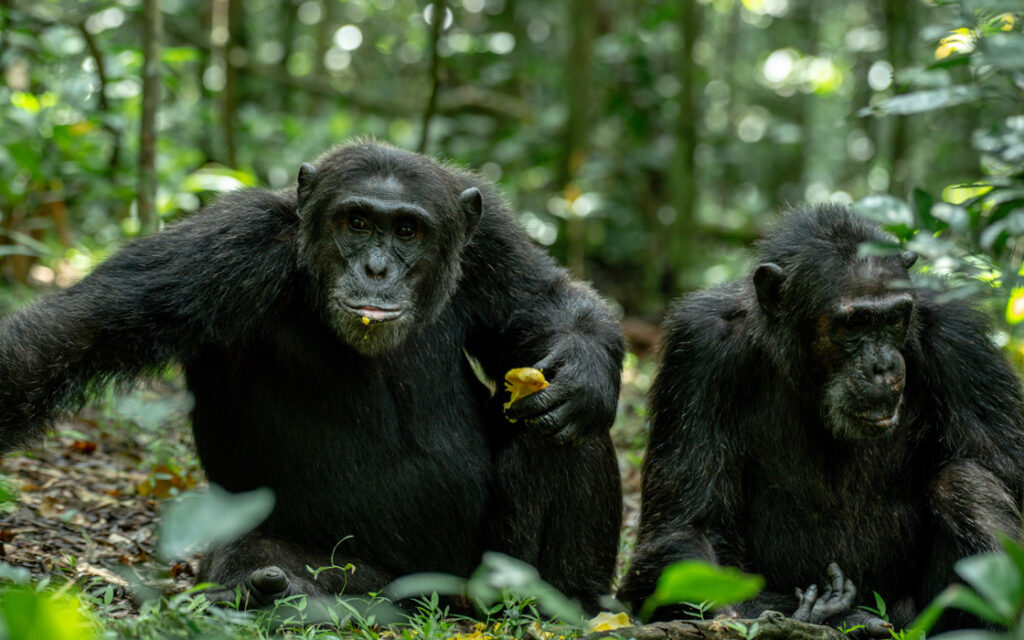
Kibale is widely regarded as the best chimpanzee trekking destination in Africa. The forest protects one of the highest densities of chimpanzees on the continent, resulting in excellent sighting success. The terrain is relatively gentle compared to mountain gorilla parks, making it accessible to most travellers.
Kibale also hosts several other primate species, which adds variety to the trek. The forest feels lush, green, and alive with bird calls and movement.
Budongo Forest, Uganda
Budongo offers a quieter chimpanzee trekking experience within a vast mahogany forest near Murchison Falls. The chimps here are well habituated, and the forest structure allows for good visibility.
Budongo suits travellers who want chimp trekking combined with savannah wildlife and dramatic river landscapes.
Nyungwe Forest National Park, Rwanda
Nyungwe provides a more challenging chimpanzee trekking experience. The forest is mountainous, dense, and steep, and chimps often move quickly through deep valleys. Treks can feel demanding, but the forest itself is spectacular.
Nyungwe works well for travellers who enjoy hiking and want a less crowded, more immersive rainforest experience.
Gombe & Mahale Mountains, Tanzania
These parks offer iconic chimpanzee trekking experiences made famous by long-term research. The forests rise directly from Lake Tanganyika, creating stunning scenery.
Chimp trekking here often involves steep climbs and remote travel, but the reward lies in exceptional chimp behaviour and pristine wilderness.
What Happens on a Chimpanzee Trekking Day?
The day starts with a briefing where rangers explain safety rules, forest conditions, and chimp behaviour. Groups are kept small to reduce disturbance. Once trackers locate the chimps, guides lead visitors through the forest, adjusting pace as the chimps move.
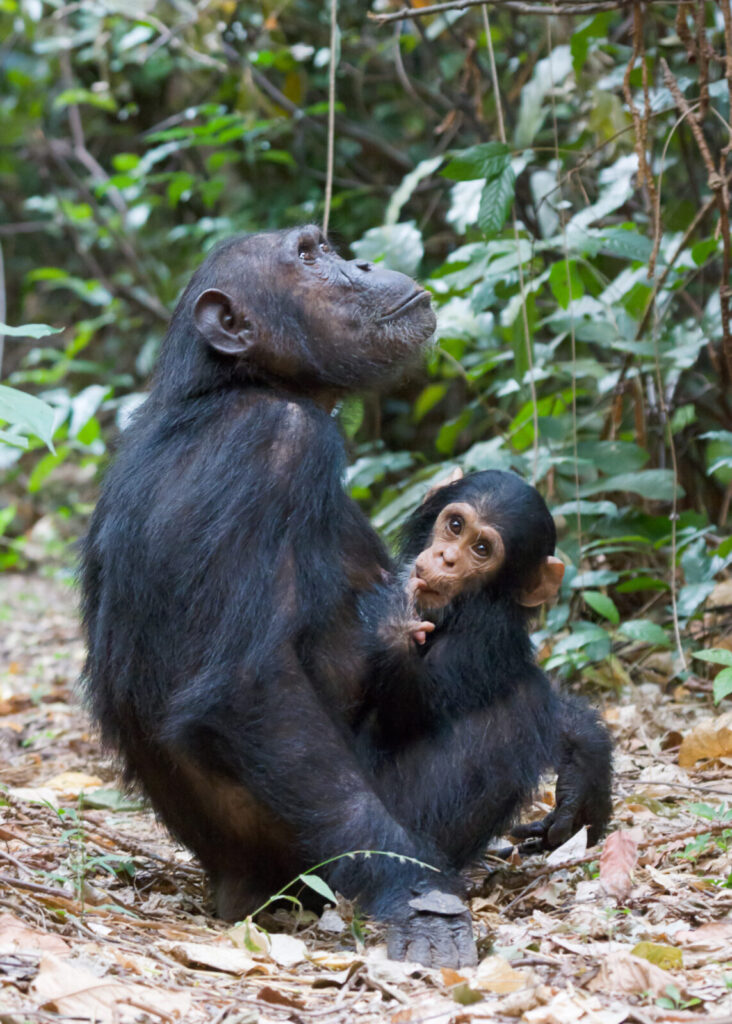
When the chimps are found, visitors spend a limited time observing them. Chimps may feed, groom, argue, play, or move rapidly through the canopy. The experience feels raw and unscripted.
Physical Fitness and Trek Difficulty
Chimpanzee trekking requires moderate fitness. Trails can be muddy, uneven, and slippery. Chimps move fast, which may require quick walking or short bursts of speed to keep up.
Treks vary in length and difficulty depending on the forest and chimp movement. Kibale generally feels easier, while Nyungwe and Mahale feel more demanding.
Chimpanzee Habituation Experience
Some parks offer a habituation experience, which allows extended time with chimps as researchers gradually acclimate them to human presence. This experience lasts longer than standard treks and offers deeper insight into behaviour and research methods.
Habituation suits travellers with strong interest in primatology, conservation, and extended forest time.
Photography Tips for Chimpanzee Trekking
Chimpanzee photography requires patience and quick reactions. Use a fast shutter speed and higher ISO settings due to low forest light. Look for moments when chimps pause to groom or feed.
Listening helps as much as watching. Vocalisations often signal movement or social interaction before you see it.
Health Rules and Ethical Guidelines
Chimpanzees share a high percentage of human DNA, making them vulnerable to human illnesses. Visitors must maintain distance, follow guide instructions, and avoid trekking when sick.
Silence, calm movement, and respectful behaviour improve sightings and protect the chimps’ wellbeing.
Best Time for Chimpanzee Trekking
Chimpanzee trekking runs year-round. Dry seasons make forest trails easier, while wet seasons bring greener forests and dramatic lighting. Chimps remain active in all seasons, though rain can increase trekking effort.
Combining Chimpanzee Trekking With Other Experiences
Chimpanzee trekking pairs exceptionally well with gorilla trekking, creating a balanced primate-focused itinerary. It also combines well with savannah safaris, river cruises, and cultural experiences.
Many travellers place chimp trekking before gorilla trekking to ease into forest hiking before tackling steeper terrain.
Common Mistakes to Avoid
Some travellers expect chimp trekking to feel calm and predictable. It is not. Movement, noise, and unpredictability define the experience. Others underestimate fitness requirements or forget that sightings depend on patience and adaptability.
Preparing mentally for an active experience improves satisfaction.