Gorilla Trekking for First-Timers: Everything You Need to Know
Gorilla trekking stands among Africa’s most powerful wildlife experiences. For first-time travelers, the idea of walking through dense rainforest to meet mountain gorillas can feel both exciting and uncertain. The experience involves more than just a hike. It requires preparation, realistic expectations, and a clear understanding of how the process works.
This guide explains gorilla trekking for beginners in a practical and detailed way. It covers where to go, what to expect, how to prepare, and how to make the most of your first encounter with gorillas in the wild.
What Gorilla Trekking Really Involves
Understanding the Experience
Gorilla trekking is not a typical safari activity where wildlife appears from a vehicle. You walk on foot through protected forest with trained guides and trackers. The trek can take anywhere from one hour to several hours depending on the location of the gorilla family.
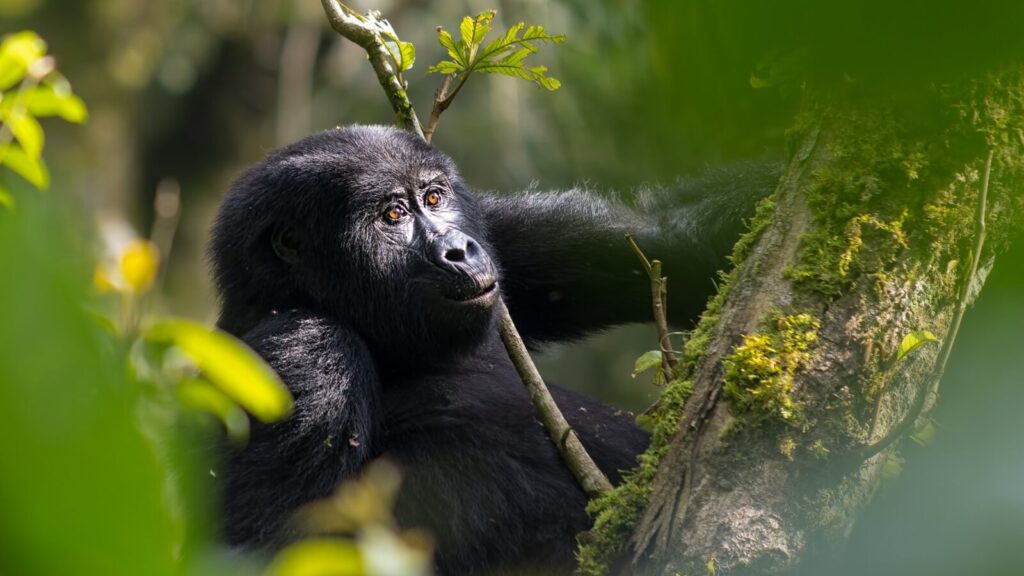
Guides follow fresh signs such as nests, footprints, and feeding trails. Once you locate the gorillas, you spend one hour observing them at a safe distance. This hour feels intense and deeply personal. You watch them feed, groom, play, and interact within their group.
Why the Experience Feels Unique
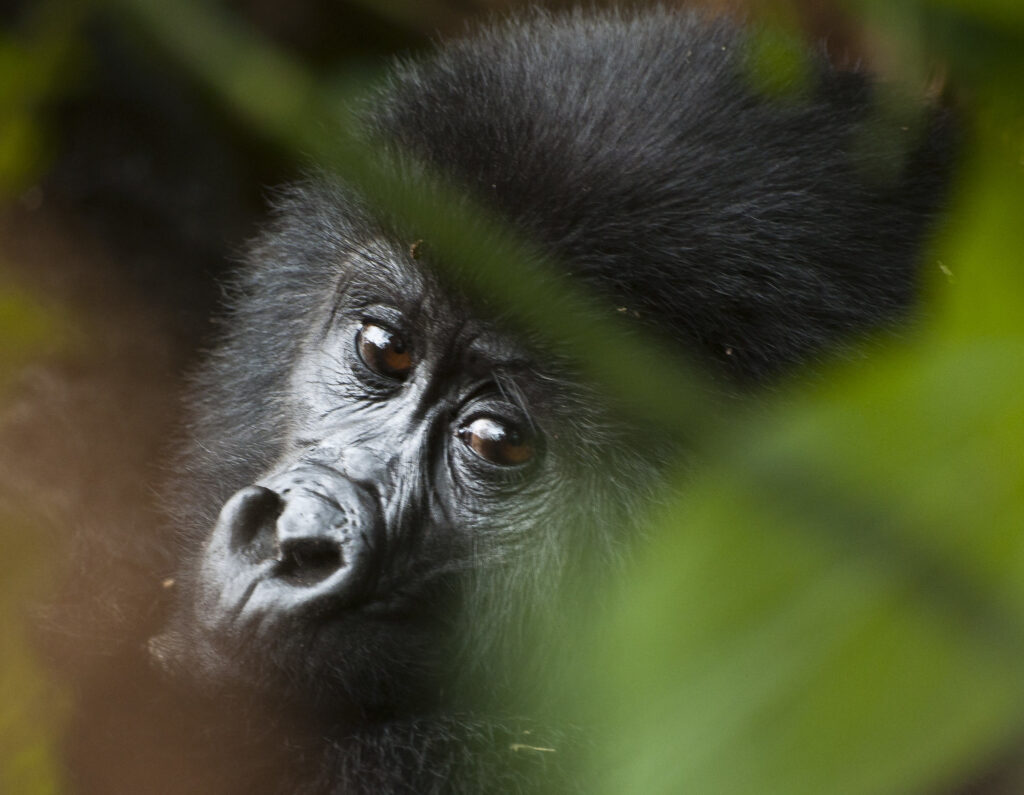
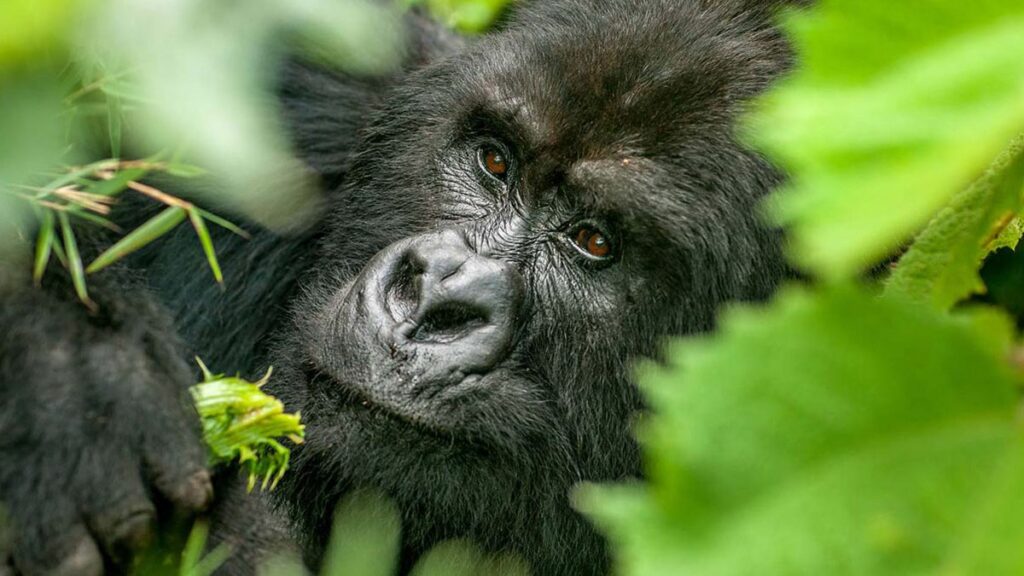
The connection with gorillas feels different from other wildlife encounters. Their behavior closely resembles human social structures. You notice eye contact, family bonding, and individual personalities.
For first-time visitors, this moment often becomes the highlight of an African safari.
Where to Go for Your First Gorilla Trek
Uganda – Best Overall for Beginners
Uganda offers a balanced introduction to gorilla trekking. Bwindi Impenetrable National Park provides multiple trekking sectors, which increases your chances of finding a suitable route.
The terrain can feel steep and dense, but guides adjust trekking groups based on fitness levels. This flexibility makes Uganda a strong choice for gorilla trekking for beginners who want options.
Rwanda – Easiest Access and Shorter Travel Time
Rwanda’s Volcanoes National Park sits just a few hours from Kigali. This proximity reduces travel time and simplifies logistics.
The trekking environment often includes more open bamboo forest and gentler slopes compared to Bwindi. This makes Rwanda ideal for travelers who prefer a slightly less demanding trek.
DRC – For Adventurous First-Timers
The Democratic Republic of Congo offers a more raw experience. While permits cost less, infrastructure remains limited.
This destination suits beginners who feel comfortable with flexible travel conditions and want a less crowded experience.
Physical Fitness and Trek Difficulty
What Level of Fitness You Need
Gorilla trekking does not require extreme fitness, but it does require effort. Trails can feel steep, muddy, and uneven. Some treks last one hour, while others extend to five or more hours.
Guides assign groups based on fitness levels, which helps beginners manage the experience comfortably. You can request a shorter or less demanding trek during the briefing.
How to Prepare Your Body
Simple preparation improves your experience. Regular walking, light hiking, and basic endurance training make a noticeable difference.
Mental preparation also matters. Expect a real forest environment rather than a controlled trail. This mindset helps you stay comfortable during the trek.
What to Expect on Trekking Day
Early Morning Briefing
Your day starts early at the park headquarters. Guides explain safety rules, assign groups, and introduce your trekking route.
You meet trackers who have already located the gorilla families earlier that morning. This increases your chances of finding them efficiently.
The Trek Through the Forest
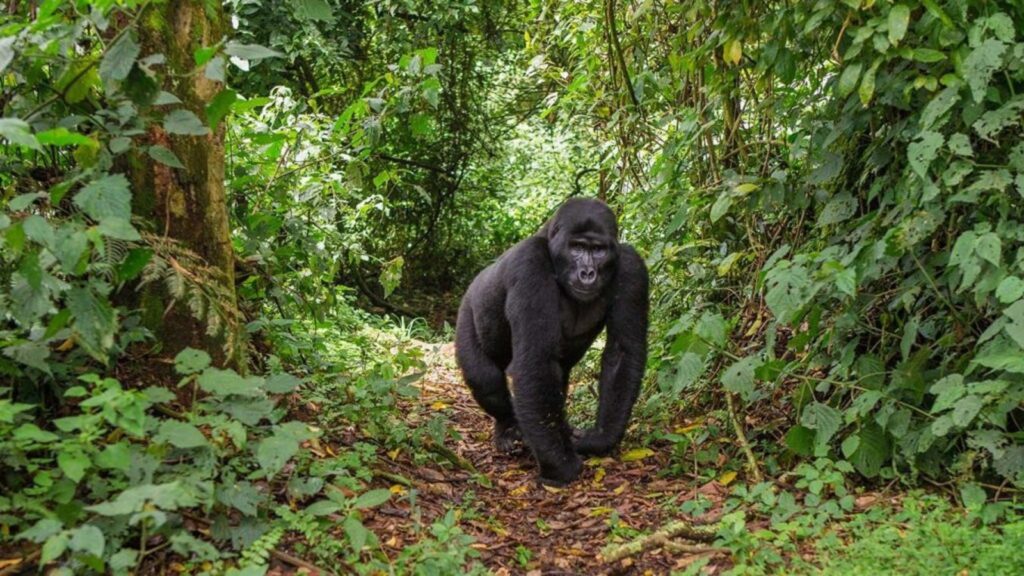
You move through thick vegetation with a guide and ranger team. The pace adjusts based on the group. Rangers clear paths where necessary, but the forest remains natural and unpredictable.
As you approach the gorillas, guides ask you to stay quiet and maintain distance. This moment builds anticipation as you prepare for your first sighting.
The One-Hour Encounter
Once you reach the gorillas, the one-hour viewing period begins. You observe their natural behavior without interference.
This hour often feels shorter than expected. Every movement, sound, and interaction captures your attention.
What to Pack for Gorilla Trekking
Essential Clothing
You need practical clothing suited for forest conditions. Long-sleeved shirts and trousers protect your skin from vegetation. Hiking boots with good grip provide stability on uneven ground.
A lightweight rain jacket is essential because weather changes quickly in forest environments.
Gear That Improves Your Experience
You should carry enough water to stay hydrated during the trek. Gloves help when holding onto branches or navigating steep sections.
A small backpack keeps your items organized without adding unnecessary weight. A camera with no flash allows you to capture the moment respectfully.
Safety Rules and Gorilla Etiquette
Maintaining Distance
You must keep a safe distance from the gorillas at all times. Guides enforce this rule to protect both visitors and animals.
Health Precautions
You should not trek if you feel unwell. Gorillas share many human diseases, and even minor illnesses can pose a risk to them.
Behavior Around Gorillas
You should remain calm and avoid sudden movements. Speaking softly and following guide instructions ensures a smooth encounter.
Respecting these guidelines defines responsible gorilla trekking for beginners.
The Role of Guides and Rangers
Why Their Presence Matters
Guides and rangers ensure your safety and enhance your understanding of the forest. They interpret gorilla behavior, explain conservation efforts, and manage the trekking process.
Their experience transforms the trek from a simple walk into an educational and immersive journey.
Cost and Permits Explained
Understanding Permit Costs
Gorilla trekking requires a permit issued by national authorities. In 2026, Uganda charges USD 800, Rwanda charges USD 1,500, and the DRC ranges between USD 400 and 500.
This permit covers park entry, guiding services, and the one-hour gorilla encounter.
Why Permits Matter
Permit fees support conservation, anti-poaching efforts, and local communities. Your participation contributes directly to protecting mountain gorillas.
Common Concerns for First-Time Trekkers
Fear of Difficulty
Many beginners worry about the physical challenge. In reality, guides adjust the experience to match your ability. Hiring a porter also reduces strain during the trek.
Fear of Safety
Gorilla trekking is safe when conducted under ranger supervision. Gorillas are habituated to human presence and rarely show aggression.
Fear of the Unknown
The forest environment can feel unfamiliar, but preparation and guidance make the experience manageable and rewarding.
Best Time for First-Time Gorilla Trekking
Dry Season Advantages
Dry seasons from June to September and December to February offer better trekking conditions. Trails feel less slippery, and movement becomes easier.
Traveling in Wet Season
Rainy seasons bring fewer crowds and lush landscapes. While trails can feel more challenging, the experience remains equally rewarding.
How to Make Your First Trek Memorable
Choose the Right Destination
Select a destination that matches your comfort level, travel time, and budget. Rwanda suits convenience, Uganda offers variety, and the DRC provides adventure.
Work With Experienced Planners
Experienced planners help align permits, accommodation, and logistics. This ensures your trip runs smoothly from start to finish.
Stay Present During the Experience
The one-hour encounter passes quickly. Focus on observing the gorillas rather than rushing to take photos. This approach creates a deeper and more meaningful experience.
Conclusion
Gorilla trekking for beginners requires preparation, but it does not require perfection. The experience blends physical effort, natural beauty, and emotional connection into one unforgettable journey.
With the right planning, realistic expectations, and respect for the environment, your first gorilla trek becomes more than a safari activity. It becomes a defining travel experience that stays with you long after you leave the forest.