

Chimpanzee trekking succeeds when visitors act as guests rather than observers demanding access. Respect, patience, and awareness shape every meaningful encounter. By following rules and practicing proper etiquette, you protect chimpanzees, support conservation, and enhance your own experience.
Responsible trekking allows chimpanzees to behave naturally and ensures that future travelers can share the same privilege of meeting them in the wild.
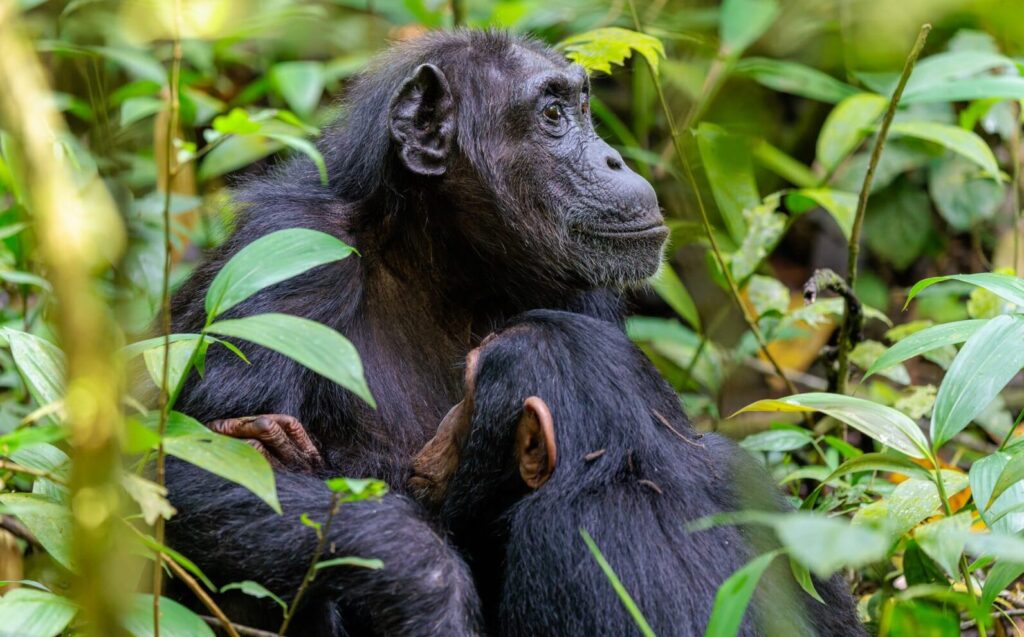
Why Rules and Etiquette Matter in Chimpanzee Trekking
Chimpanzees share much of their DNA with humans, which makes them highly vulnerable to human diseases. Even a mild human illness can seriously affect a chimpanzee community. Rules exist to reduce health risks, limit stress, and preserve natural behavior.
Etiquette also shapes the quality of the experience. Calm, respectful groups see more natural interactions and enjoy better observation time. Responsible behavior ensures chimpanzee trekking remains possible for future generations.
Keep a Safe and Respectful Distance
Guides enforce a minimum viewing distance between trekkers and chimpanzees. This distance protects chimps from disease transmission and prevents defensive or aggressive reactions. Chimpanzees move freely, and sometimes they may come closer on their own. When this happens, remain still and follow your guide’s instructions.
Never attempt to touch a chimpanzee. Physical contact threatens both human safety and chimp health, even during calm encounters.
Follow Your Guide at All Times
Chimpanzee trekking takes place in dynamic forest environments. Guides and trackers read chimp behavior, forest signs, and safety risks constantly. Staying with the group and following instructions ensures smooth tracking and minimizes disturbance.
Moving ahead of the guide, separating from the group, or taking shortcuts disrupts tracking efforts and increases risk. Trust your guide’s decisions, even when they require patience or changes in pace.
Limit Noise and Sudden Movement
Chimpanzees respond strongly to sound and movement. Loud talking, sudden gestures, or running can startle them and trigger stress responses. Keep voices low and movements slow throughout the trek.
Silence improves the experience for everyone. It allows you to hear chimp calls, forest sounds, and guide explanations clearly. Calm behavior often leads to longer and more relaxed viewing.
Photography Rules and Camera Etiquette
Photography remains welcome during chimpanzee trekking, but strict rules apply. Flash photography is never allowed. Flash can frighten chimpanzees and disrupt natural behavior.
When taking photos, move slowly and avoid blocking others’ views. Keep camera equipment compact and secure. Focus on observation first, then photography. The most memorable moments often happen when cameras stay down.
Health Requirements and Illness Policy
You should not join a chimpanzee trek if you feel unwell. Symptoms such as coughs, flu, fever, or stomach illness pose serious risks to chimpanzees. Guides may deny participation to protect the animals, even at short notice.
Some destinations require visitors to wear face masks during close encounters. These measures reduce disease transmission and reflect growing conservation awareness.
Eating, Drinking, and Litter Control
Do not eat or drink near chimpanzees. Food smells attract attention and can alter natural behavior. Consume snacks only during approved breaks away from viewing areas.
Never leave litter in the forest. Carry all waste out with you, including tissues and food wrappers. Even biodegradable items disrupt forest ecosystems and wildlife behavior.
Respect Viewing Time Limits
Chimpanzee trekking experiences usually limit viewing time once chimpanzees are located. This rule reduces stress on the animals and allows them to continue daily activities without prolonged disturbance.
When guides signal that time has ended, prepare to leave calmly. Exiting respectfully matters as much as arrival. Rushing or lingering creates unnecessary pressure on the chimpanzees.
Group Size and Personal Space
Chimpanzee trekking groups remain small to limit impact. Respect personal space within the group and avoid pushing ahead for better views. Good etiquette includes patience and shared enjoyment.
If chimpanzees move quickly, accept that not every moment allows perfect positioning. The experience values authenticity over staged viewing.
Cultural and Environmental Respect
Chimpanzee trekking often takes place near local communities and research sites. Respect local customs, guides, and conservation staff. Their knowledge and protection efforts make trekking possible.
Treat the forest as a living system, not a backdrop. Avoid damaging plants, pulling branches, or stepping off trails unnecessarily.