
Moukalaba-Doudou National Park: Gorilla and Chimpanzee Encounters in Gabon’s Wild South
Moukalaba-Doudou National Park represents one of Gabon’s most exciting and least-visited conservation areas. Located in the remote southwest of the country, the park protects a rare transition zone where dense rainforest meets open savannah. This unique mix creates ideal conditions for both western lowland gorillas and chimpanzees, making Moukalaba-Doudou one of Central Africa’s most important primate landscapes.
Unlike better-known safari destinations, Moukalaba-Doudou feels raw and exploratory. Visitors come here for immersive tracking experiences, deep forest walks, and a strong sense of discovery. The park rewards patience, curiosity, and respect for nature. 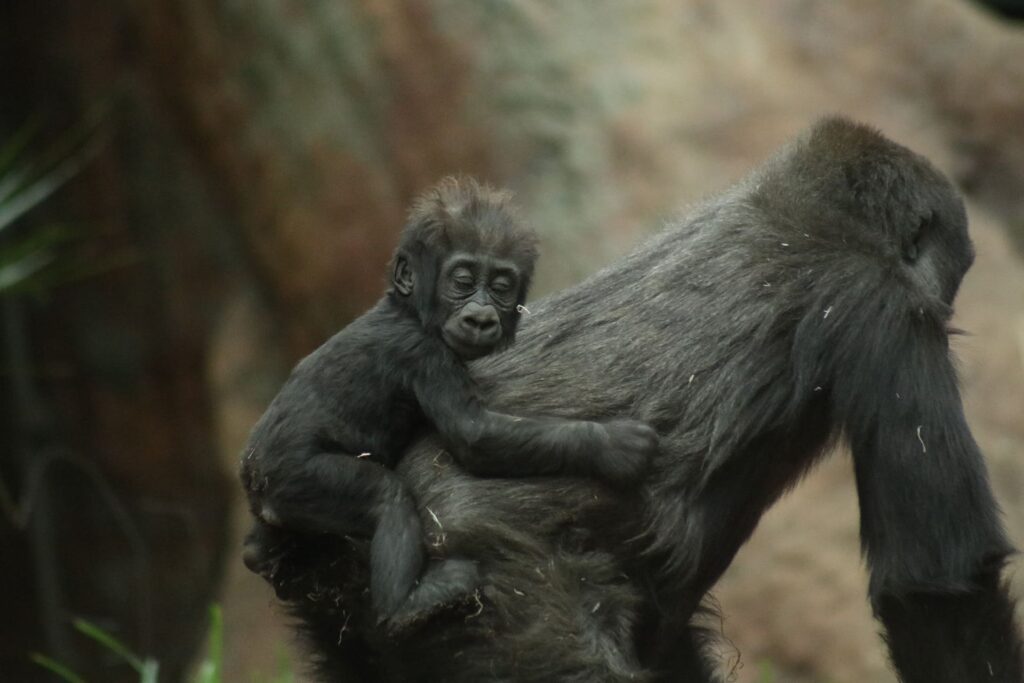
Location and Geographic Setting
Moukalaba-Doudou National Park lies in southern Gabon, near the border with the Republic of Congo. The park spans over 4,500 square kilometers, making it one of Gabon’s larger protected areas. Its location between the Atlantic coastal forests and inland savannah zones gives it remarkable ecological diversity.
Rolling hills, river systems, and forest corridors define the terrain. The Moukalaba and Doudou river basins shape wildlife movement and provide water throughout the year. Limited road access has helped preserve the park’s wilderness character.
Landscapes and Natural Character
Moukalaba-Doudou’s landscape shifts constantly as you move through it. Dense lowland rainforest dominates much of the park, with towering trees, thick undergrowth, and shaded forest floors. In contrast, open savannah patches break the canopy, creating feeding grounds and movement corridors for large mammals.
Rivers and wetlands add further variety. Forest clearings near water sources attract wildlife and provide some of the best observation points. This forest–savannah mosaic sets Moukalaba-Doudou apart from Gabon’s coastal parks and deep rainforest reserves.
Wildlife of Moukalaba-Doudou National Park
Moukalaba-Doudou supports one of Gabon’s most important populations of western lowland gorillas. Ongoing research and habituation projects allow carefully managed gorilla tracking experiences, focused on conservation and scientific study.
Chimpanzees also thrive here, moving between forest and savannah edges. Tracking them involves listening for calls, following trails, and observing behavior shaped by this mixed habitat. Forest elephants roam widely, often leaving clear signs along paths and riverbanks.
Other wildlife includes forest buffalo, sitatunga antelope, duikers, and a rich variety of birds. The park’s biodiversity reflects its position at the crossroads of multiple ecosystems.
Key Attractions to See in Moukalaba-Doudou National Park
Primate tracking stands as the park’s main attraction. Gorilla tracking offers deeply moving encounters in a quiet forest setting, free from crowds. Chimpanzee tracking adds variety, allowing visitors to compare behavior between two closely related primates.
The forest–savannah transition zones provide striking scenery and wildlife viewing opportunities. River systems and natural clearings attract animals and offer excellent chances to observe wildlife activity at ground level. For nature-focused travelers, the park itself becomes the attraction.
Experiences and Activities in Moukalaba-Doudou
Guided gorilla and chimpanzee tracking form the core experiences. Small group sizes and expert trackers ensure ethical encounters and meaningful interpretation. Guides share insights into primate behavior, conservation challenges, and ongoing research work.
Forest walks explore different habitats, from dense canopy to open savannah. These walks focus on tracks, plants, insects, and ecological relationships rather than quick sightings. Birdwatching appeals to specialists seeking forest and savannah species in one location.
Because tourism remains limited, every activity feels personal and unhurried.
Best Time to Visit Moukalaba-Doudou National Park
Moukalaba-Doudou remains accessible throughout the year, though conditions vary. Drier periods from June to September and December to February provide easier walking conditions and more predictable primate movements.
Rainy seasons from March to May and October to November bring lush vegetation and stronger river flow. Forest conditions become more challenging, but wildlife activity remains high. Travelers who value atmosphere and solitude often prefer these months.
Accommodation and Access
Accommodation in and around Moukalaba-Doudou remains simple and conservation-focused. Research-based lodges and small eco-camps provide comfortable but understated stays close to tracking areas.
Access usually involves domestic flights or long road journeys from Libreville or coastal towns, followed by guided transfers into the park. Because infrastructure remains limited, advance planning with experienced operators ensures smooth logistics and realistic expectations.
Plan Your Tour to Moukalaba-Doudou National Park
Planning a visit to Moukalaba-Doudou requires a specialist approach. The park suits travelers who prioritize primates, conservation, and authenticity over luxury or speed.
Working with knowledgeable safari planners helps secure tracking permits, guides, and accommodation aligned with conservation goals. A well-planned itinerary allows time for multiple tracking attempts, forest walks, and rest between activities. Moukalaba-Doudou rewards travelers who embrace depth and flexibility.
Conservation Importance of Moukalaba-Doudou
Moukalaba-Doudou plays a vital role in Gabon’s primate conservation efforts. Research conducted here contributes to understanding gorilla and chimpanzee behavior in mixed habitats. Protection of forest–savannah corridors helps maintain genetic diversity and long-term ecosystem health.
Low-impact tourism supports research, ranger patrols, and community involvement while keeping pressure on wildlife minimal. Every visit strengthens the case for preserving this remote wilderness.
Why Moukalaba-Doudou National Park Stands Apart
Moukalaba-Doudou offers one of Central Africa’s most authentic primate experiences. The park combines gorillas, chimpanzees, and forest elephants within a diverse and largely untouched landscape. Its remoteness keeps crowds away and preserves a sense of exploration rarely found elsewhere.
For travelers seeking meaningful encounters with Africa’s great apes in a truly wild setting, Moukalaba-Doudou National Park stands as a remarkable destination.