
Kyambura Gorge: Uganda’s Hidden Chimpanzee Forest in the Savannah
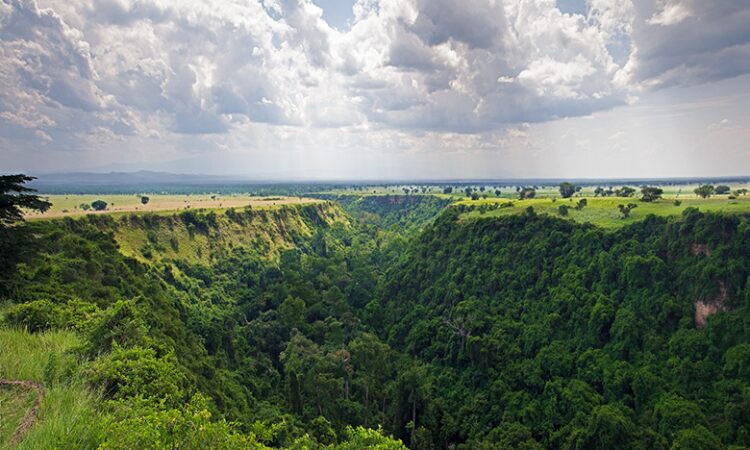
Kyambura Gorge offers one of Uganda’s most surprising wildlife experiences. Carved deep into the savannah plains of Queen Elizabeth National Park, this dramatic gorge hides a lush tropical forest where chimpanzees thrive below open grasslands. The contrast feels immediate and striking. One moment you stand in classic savannah scenery, the next you descend into dense greenery filled with bird calls and primate movement.
Often called the “Valley of Apes,” Kyambura Gorge delivers an intimate and atmospheric chimpanzee tracking experience. It suits travelers who want primate encounters combined with a broader savannah safari rather than a standalone forest destination.
Location and Geographic Setting
Kyambura Gorge lies in the eastern sector of Queen Elizabeth National Park in western Uganda, near the Kazinga Channel and Ishasha plains. The gorge stretches for about 16 kilometers, carved by the Kyambura River as it flows toward Lake Edward.
Steep escarpments drop sharply from open plains into the forest below. This unique geography creates a natural refuge for forest species within a predominantly savannah ecosystem. The isolation of the gorge explains both its biodiversity and its fragile balance.
Landscapes and Natural Character
Kyambura Gorge feels like a hidden world. Thick riverine forest lines the gorge floor, with fig trees, palms, and dense undergrowth creating a cool, shaded environment. Sunlight filters through the canopy, reflecting off the winding river below.
Above the gorge rim, the landscape changes instantly. Open grasslands stretch toward the horizon, often dotted with elephants, buffalo, and antelope. This dramatic transition makes Kyambura one of the most visually distinctive places in Uganda.
Wildlife of Kyambura Gorge
Chimpanzees remain the primary attraction in Kyambura Gorge. A small but resilient community lives within the forest, moving quietly through trees and along the riverbanks. Tracking them requires patience and attention, which makes each sighting feel earned.
Other primates add richness to the experience. Black-and-white colobus monkeys, red-tailed monkeys, olive baboons, and vervet monkeys appear frequently. The gorge also supports forest birds, butterflies, and reptiles rarely seen on the surrounding plains.
Large mammals such as elephants and buffalo often appear near the gorge rim, especially in the early morning and late afternoon.
Key Attractions to See in Kyambura Gorge
Chimpanzee tracking forms the heart of Kyambura’s appeal. Guided walks follow forest trails along the river, where trackers listen for calls and movement overhead. The experience emphasizes observation and interpretation rather than distance or speed.
The gorge itself stands as a major attraction. Steep cliffs, hanging roots, and winding forest paths create a dramatic setting unlike any other primate site in Uganda. Birdwatchers also find Kyambura rewarding, with chances to spot forest species in a savannah park context.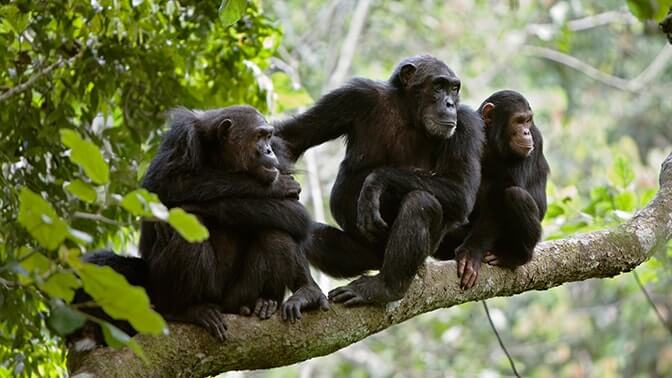
Experiences and Activities in Kyambura
Kyambura focuses on guided forest walks and chimpanzee tracking. Rangers and guides share insights into chimp behavior, conservation challenges, and the fragile ecosystem of the gorge.
Because Kyambura sits within Queen Elizabeth National Park, visitors easily combine chimpanzee tracking with classic savannah activities. Game drives, boat safaris along the Kazinga Channel, and tree-climbing lion tracking in Ishasha often complement a Kyambura visit.
Best Time to Visit Kyambura Gorge
Kyambura Gorge remains accessible throughout the year. Drier months from June to September and December to February offer easier walking conditions and clearer forest trails. Chimpanzee movements remain more predictable during these periods.
Wetter months from March to May and October to November bring thicker vegetation and muddier trails. The forest becomes greener and more atmospheric, though tracking may require extra effort. Travelers who enjoy lush scenery often prefer this time.
Accommodation and Access
Kyambura Gorge benefits from its location within Queen Elizabeth National Park, which offers a wide range of accommodation options. Visitors can choose from luxury lodges overlooking the savannah, comfortable midrange camps, and budget-friendly options near park gates.
Access typically involves road travel from Kampala, Entebbe, or nearby airstrips, followed by guided entry into the gorge. Because chimpanzee permits remain limited, advance booking ensures availability on preferred dates.
Plan Your Tour to Kyambura Gorge
Planning a Kyambura Gorge visit works best as part of a broader western Uganda safari. Combining chimpanzee tracking with game drives and boat safaris creates a varied and rewarding itinerary.
Working with experienced safari planners helps secure permits, arrange guides, and align activities smoothly. A well-planned visit allows enough time to descend into the gorge without rushing, ensuring a meaningful primate encounter. Kyambura suits travelers who value contrast and depth within a single destination.
Conservation Importance of Kyambura Gorge
Kyambura Gorge plays a vital conservation role despite its small size. The forest protects a vulnerable chimpanzee population isolated by surrounding savannah and human activity. Conservation efforts focus on habitat protection, corridor restoration, and community engagement.
Tourism supports these initiatives by funding ranger patrols and environmental awareness. Responsible visits help ensure the long-term survival of this unique ecosystem.
Why Kyambura Gorge Stands Apart
Kyambura Gorge offers a rare blend of landscapes and experiences. Few places allow you to track chimpanzees in a rainforest hidden inside a savannah park. The setting feels dramatic, intimate, and unexpected.
For travelers seeking chimpanzee encounters without committing to remote forest parks, Kyambura Gorge provides an accessible yet deeply rewarding alternative.