

Cultural tours and add-on activities around gorilla parks give the journey depth. They connect wildlife encounters to human stories, conservation to daily life, and forests to communities. When planned well, they transform a gorilla safari into a complete and meaningful travel experience.
Why Add Cultural Experiences to a Gorilla Safari?
Gorilla parks sit within living cultural landscapes. Communities farm the hillsides, protect forest edges, perform traditional rituals, and participate directly in conservation through tourism revenue. Cultural visits offer context. They show how people and wildlife coexist and why gorilla protection matters beyond the forest.
Cultural activities also help pace the itinerary. After a physically demanding trek, a relaxed village walk, music performance, or lakeside afternoon restores energy while keeping the journey engaging.
Cultural Experiences Around Volcanoes National Park (Rwanda).
Iby’Iwacu Cultural Village
This community-run experience introduces Rwanda’s traditions through storytelling, music, dance, and demonstrations of daily life. Former poachers now act as guides, sharing how conservation changed their livelihoods. The visit feels educational rather than staged, and it creates a strong link between tourism and wildlife protection.
Traditional Dance and Music Performances
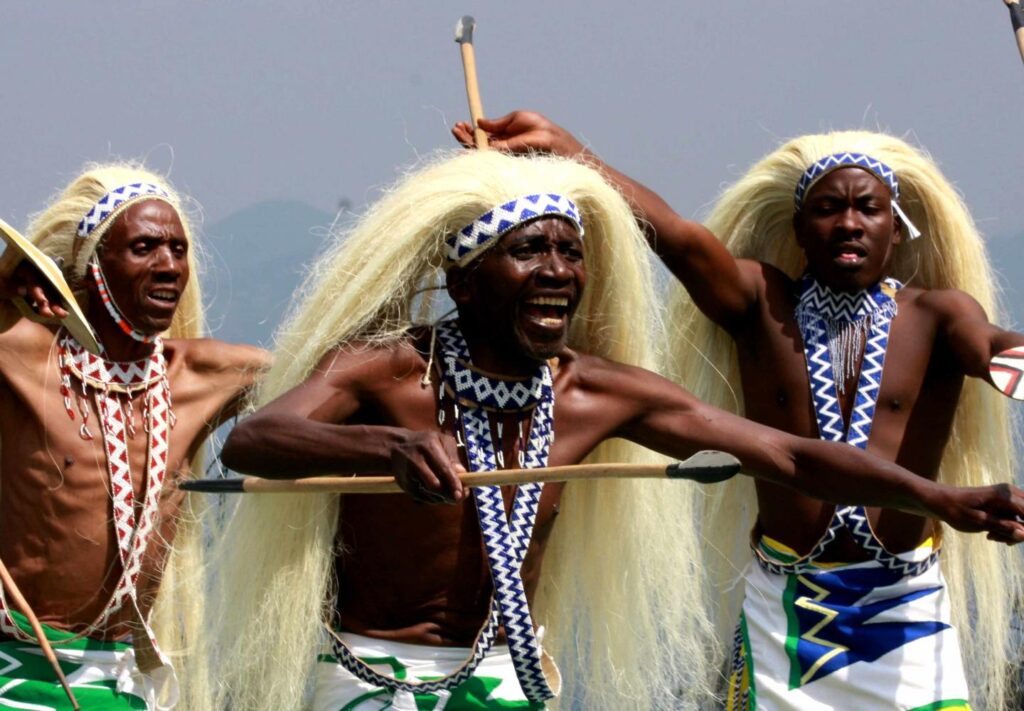
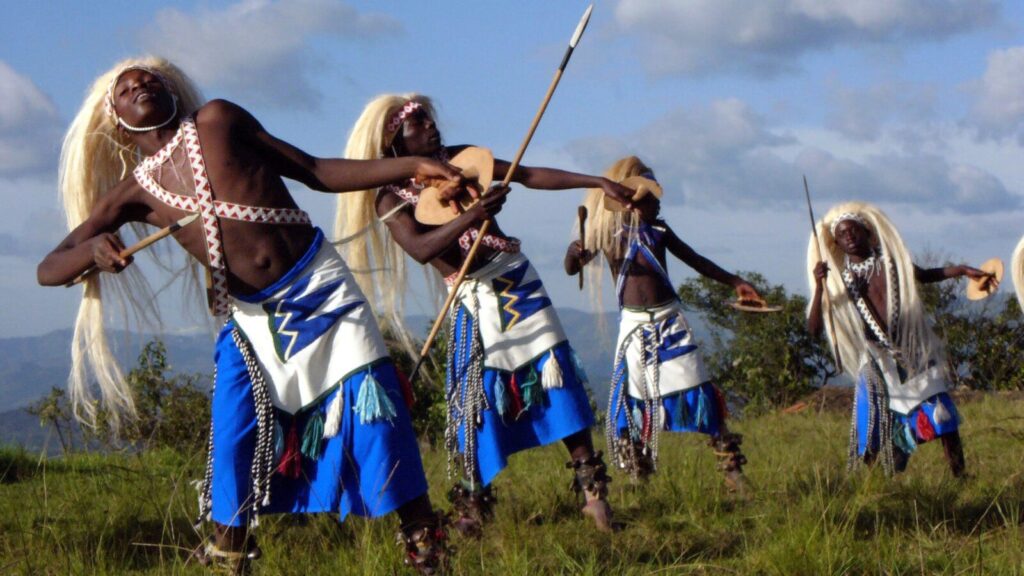
Intore dancers perform powerful routines rooted in Rwanda’s royal heritage. The drumming, costumes, and rhythm reflect centuries of cultural expression and provide an energetic contrast to the quiet intensity of the forest.
Rural Village Walks Around Musanze
Village walks reveal everyday life near Volcanoes National Park. Travellers meet farmers, visit homesteads, and learn about crops grown in volcanic soils. These walks offer insight into how communities live alongside a protected park.
Cultural Experiences Around Bwindi Impenetrable Forest (Uganda).
Batwa Cultural Experience
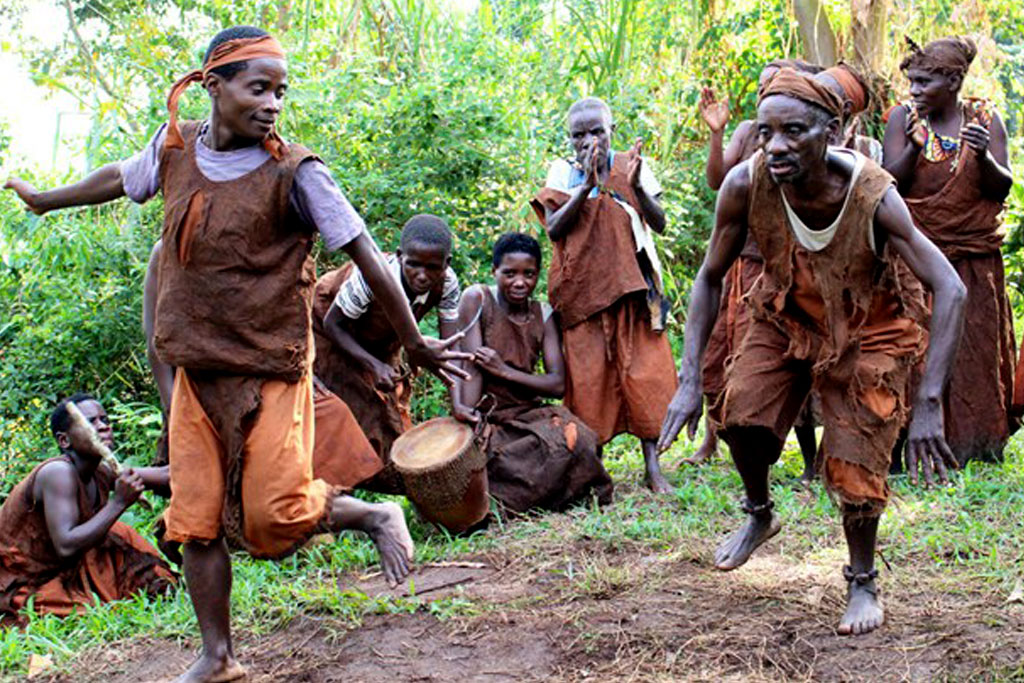
The Batwa are the original forest dwellers of Bwindi. Their guided experiences focus on storytelling, traditional skills, and cultural identity rather than reenactment. Visitors learn about forest knowledge, spiritual connections, and the challenges faced after relocation from protected areas.
Bakiga Community Visits
The Bakiga people dominate the highlands around Bwindi. Cultural visits include homestead tours, food preparation, music, and local crafts. These interactions feel personal and grounded, offering a real sense of rural Ugandan life.
Village Walks and Local Markets
Village walks around Bwindi introduce schools, churches, farms, and markets. They work well as gentle afternoon activities and provide opportunities to support local initiatives through crafts and produce purchases.
Cultural Experiences Around Mgahinga Gorilla National Park (Uganda)
Batwa Trail Experience
Mgahinga’s Batwa Trail follows forest paths once used for hunting and gathering. Guides explain traditional medicine, cave use, and cultural rituals linked to the Virunga volcanoes. The experience blends nature and culture in a way that complements gorilla trekking.
Volcanic Landscape Storytelling
Local guides explain how volcanoes shaped settlement patterns, agriculture, and beliefs in the region. This adds geological and cultural depth to the gorilla trekking setting.
Cultural Experiences Around Virunga & Kahuzi-Biega (DR Congo)
Community Storytelling and Ranger-Led Talks
Cultural experiences in Congo often focus on conversation rather than formal tours. Rangers and local guides share stories about conservation challenges, community resilience, and daily life near the parks. These moments feel raw and honest.
Local Music and Informal Cultural Exchanges
In villages near Kahuzi-Biega, music and dance often happen organically. Travellers may encounter small performances during village walks, offering an authentic sense of Congolese cultural expression.
Nature-Based Add-On Activities Near Gorilla Parks
Golden monkey tracking works well in Rwanda and Mgahinga. The activity is lighter than gorilla trekking and adds a playful, fast-paced primate encounter to the itinerary.
Chimpanzee trekking pairs naturally with gorilla safaris, especially in Uganda. Chimps bring energy, noise, and social chaos that contrast beautifully with the calm presence of gorillas.
Forest Walks and Birding
Guided forest walks focus on birds, butterflies, and medicinal plants. These walks suit travellers who want to explore without physical strain and deepen their understanding of rainforest ecosystems.
Scenic & Relaxation Add-Ons
Lake Kivu (Rwanda)
Lake Kivu offers beaches, boat rides, hot springs, and lakeside towns. It works perfectly as a recovery stop after gorilla trekking, adding calm water scenery to the journey.
Crater Lakes and Highlands (Uganda)
Crater lake regions provide gentle hikes, scenic viewpoints, and quiet lodges. They help break long travel days and add visual variety between parks.
How Cultural Activities Support Conservation
Many cultural tours operate under community tourism models. Revenue supports education, healthcare, cultural preservation, and reduced reliance on forest resources. By participating, travellers directly contribute to conservation outcomes that protect gorilla habitats.
These experiences also help communities value wildlife as a long-term asset rather than a threat.
When to Schedule Cultural Add-Ons
Cultural activities work best in the afternoons after trekking or on rest days between treks. Scheduling them before a trek can feel tiring, while placing them after a trek creates balance and reflection.
Short cultural visits can fit into half-days, while deeper experiences work well when the itinerary includes buffer days.
Common Mistakes to Avoid
Some travellers overload their schedule with too many activities. Cultural tours should enhance, not exhaust. Choose fewer, meaningful experiences rather than rushing through multiple villages.
Another mistake involves treating cultural visits as entertainment only. Respectful engagement, listening, and openness create richer interactions for both visitors and hosts.
How to Choose the Right Cultural Experiences
Select experiences that align with your pace and interests. If you enjoy storytelling and history, focus on heritage-based tours, enjoy movement and interaction, dance and village walks work well. If you want reflection, lakeside or community conversations may suit you better.