

Gorilla trekking is physically demanding but achievable for most travelers with moderate fitness. The experience rewards effort with one of the most intimate wildlife encounters on Earth. With proper preparation, supportive guides, and a steady pace, physical ability becomes part of the adventure rather than a barrier.
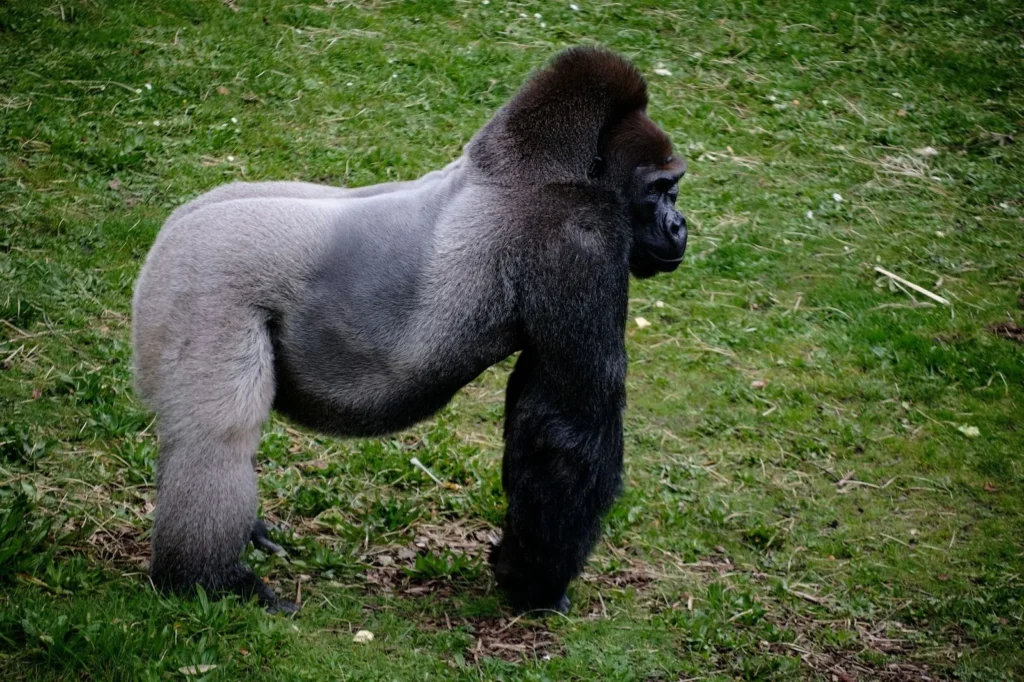
How Demanding Is Gorilla Trekking?
Gorilla trekking is a guided hike through dense tropical rainforest. The difficulty level varies from day to day depending on where the gorilla family is located. Some treks last under an hour, while others can extend to four, five, or even six hours of walking.
You should expect steep ascents and descents, uneven ground, thick vegetation, slippery mud, and narrow trails. The pace remains steady but flexible, with frequent stops for rest and hydration. Rangers always adjust the speed to suit the group.
While challenging, the trek is not a race. Patience and consistency matter more than speed.
Fitness Level Needed for Gorilla Trekking
A moderate level of fitness is sufficient for most trekkers. If you can comfortably walk for several hours, manage gentle hills, and maintain balance on uneven ground, you are physically capable of completing a gorilla trek.
You do not need specialized hiking experience, but stamina and leg strength are important. Strong knees, good balance, and cardiovascular endurance make the trek significantly more comfortable.
Travelers of different ages successfully trek gorillas every year, including seniors and first-time hikers, especially when they prepare in advance and use support options like porters.
Altitude and Its Effect on Your Body
Altitude adds another layer to the physical challenge. Gorilla parks sit between 2,300 and 2,600 meters above sea level. At this elevation, some trekkers experience shortness of breath or quicker fatigue, especially during steep climbs.
Taking your time, breathing steadily, staying hydrated, and resting when needed helps your body adjust. Rangers are well trained in pacing treks to accommodate altitude-related fatigue.
Terrain and Weather Conditions
Rainforest conditions play a major role in trek difficulty. Trails can become muddy and slippery, especially during the rainy seasons. Humidity increases physical exertion, even when temperatures feel cool.
Proper footwear with strong grip, trekking poles, and gaiters help reduce strain and improve stability. Physical fitness combined with the right gear makes a noticeable difference.
Can Less-Fit Travelers Still Trek Gorillas?
Yes. Gorilla trekking is inclusive by design. Rangers assign gorilla families based on fitness levels, giving less demanding routes to those who request them. Being honest about your physical ability during the morning briefing ensures a safer and more enjoyable trek.
Hiring a porter greatly reduces fatigue. Porters assist with backpacks, offer a steadying hand on steep sections, and help pull you up muddy slopes when needed. This support allows many travelers with lower fitness levels to complete the trek comfortably.
For travelers with limited mobility, sedan chair services are available in some parks, allowing participation without hiking the full distance.
How to Prepare Physically Before Your Trip
Preparation improves confidence and enjoyment. In the weeks leading up to your safari, focus on regular walking, light hiking, stair climbing, and leg-strength exercises. Short cardio sessions improve endurance, while stretching helps with flexibility and recovery.
Even basic preparation can significantly reduce fatigue on trekking day.
What Rangers Expect From You
Rangers do not expect peak fitness. They expect cooperation, honesty, and a willingness to move at the group’s pace. You are encouraged to communicate openly if you feel tired or unwell during the trek. Breaks are normal, and safety always comes first.